


Gear Up for the Weather
The right equipment is the first step to a successful rainy day walk. For your pet, a waterproof raincoat is essential. Look for one that is lightweight, allows free movement, and ideally has a breathable lining. A good fit is crucial, with adjustable
straps at the chest and neck to keep your dog comfortable and dry. For extra protection, especially for long-haired breeds who collect mud, consider dog booties. They keep paws dry and protect them from dirty water and sharp debris. Don't forget about yourself—a reliable raincoat, waterproof shoes, and a sturdy umbrella will ensure you stay comfortable, too. To improve safety in low light, choose gear with reflective strips for both you and your pet.
Plan Your Route and Timing
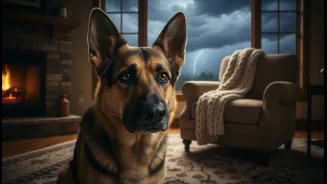
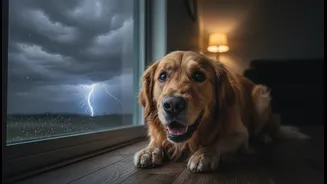
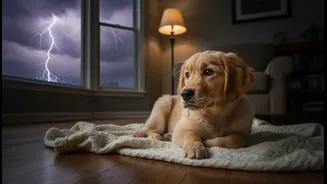
Spontaneity is great, but not during a downpour. Before heading out, check the weather forecast. Avoid walking during heavy storms with thunder and lightning, which can frighten your dog and pose safety risks. Technology can be your ally; use a weather radar app to find a gap in the rain. Even a 15-minute delay can mean the difference between a light drizzle and a heavy shower. Stick to familiar, well-lit paths. Paved routes are generally safer as they are less likely to hide deep puddles or become overly slippery. It’s also wise to shorten the duration of the walk. A few shorter walks throughout the day can be a good alternative to one long, miserable trek in constant rain.
Make the Walk an Adventure
A rainy walk offers a completely new sensory experience for your dog. The rain enhances smells on the ground, making it a fantastic opportunity for some 'sniffy walk' time where your dog gets to lead with their nose. This provides immense mental stimulation. Frame the walk as a positive event with an upbeat tone and plenty of encouragement. For dogs that enjoy the water, supervised splashing in clean, shallow puddles can be a joyful activity. However, always be cautious of standing water, as it can hide hazards or contaminants. Some treats in your pocket can help encourage a reluctant dog to venture out and complete their business. The goal is to build a positive association with rain, turning it from a chore into a treat.
The All-Important Post-Walk Cleanup
What happens after the walk is just as important as the walk itself. Set up a designated drying station by your door with absorbent towels or a special microfiber mat designed to trap mud and moisture. Start by thoroughly wiping and drying your dog's paws, paying close attention to the areas between the toes where moisture can lead to irritation. Next, towel-dry their body, focusing on the belly and legs. For dogs with thick or double coats, you may need to feel beneath the top layer to ensure the undercoat is not holding dampness. Not every wet walk requires a full bath; often, a good wipe-down is sufficient. If a bath is necessary, use a gentle shampoo.
When It's Best to Stay Indoors
Sometimes, the weather is just too severe, or your dog might genuinely dislike the rain. On these days, forcing a walk is counterproductive. Instead, focus on indoor enrichment to burn off energy. Mental stimulation can be just as tiring as physical exercise. Engage your pet with puzzle toys, snuffle mats, or a game of hide-and-seek with treats. You can create a simple indoor obstacle course using pillows and blankets. A short training session to practice new tricks is another excellent way to engage their brain. These activities prevent boredom, reduce the likelihood of destructive behaviour, and strengthen your bond.