
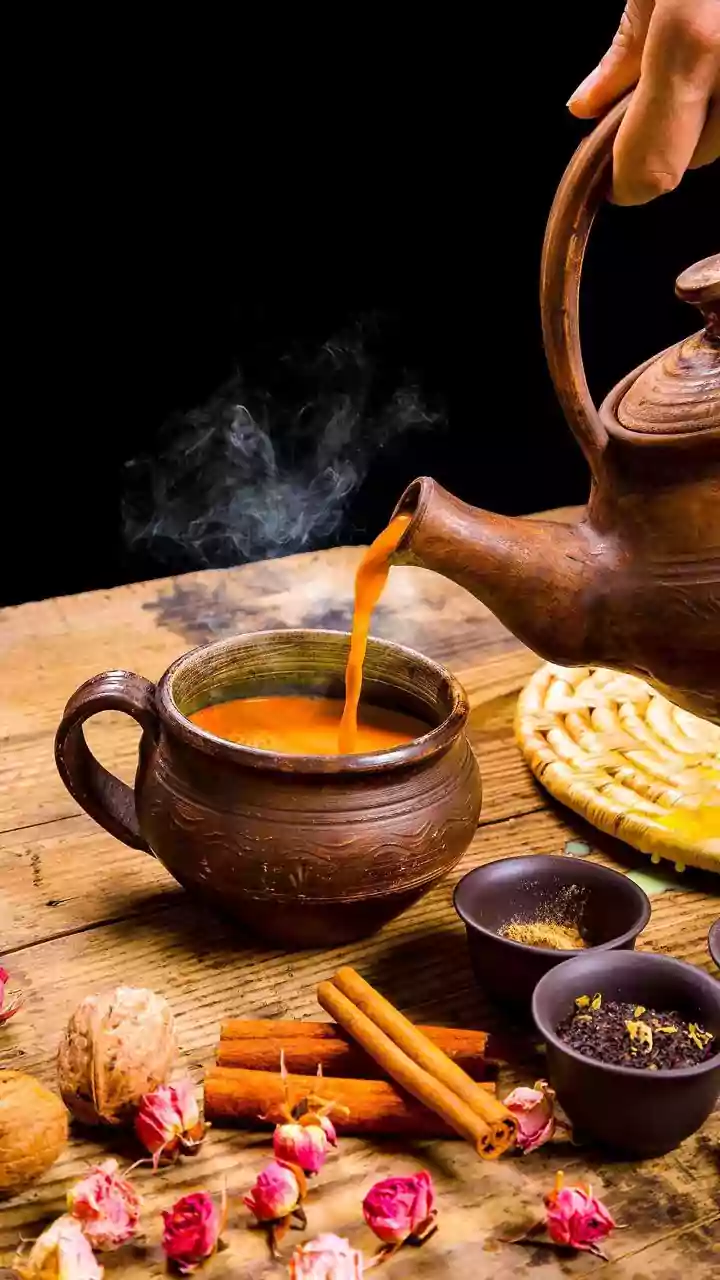






Turmeric (Haldi)
A cornerstone of Indian cooking, turmeric is a monsoon powerhouse. Its active compound, curcumin, has potent anti-inflammatory and antioxidant properties that help strengthen the body against infections common in damp weather. According to Ayurveda, it's
a warming spice that supports digestion and immunity. A daily glass of warm 'haldi doodh' (turmeric milk), perhaps with a pinch of black pepper to improve curcumin absorption, is a traditional and effective way to keep seasonal illnesses at bay.
Ginger (Adrak)
Ginger is a go-to remedy for monsoon-related ailments like colds and sore throats, and for good reason. It possesses powerful antiviral and antibacterial properties. Its warming nature helps stimulate 'agni' or the digestive fire, which is believed to be weaker during the rainy season. Adding fresh ginger to your morning tea, soups, or dals not only enhances flavour but also helps soothe throat irritation and improve digestion, making it a non-negotiable pantry staple.
Garlic (Lehsun)
Like ginger, garlic is renowned for its immunity-boosting capabilities. It contains a compound called allicin, which is known to enhance the immune system's response to viruses like those that cause the common cold and flu. During the monsoon, when the risk of bacterial and fungal growth is high, incorporating garlic into your daily meals—such as in tadkas, soups, or chutneys—can provide an extra layer of protection.
Moong Dal
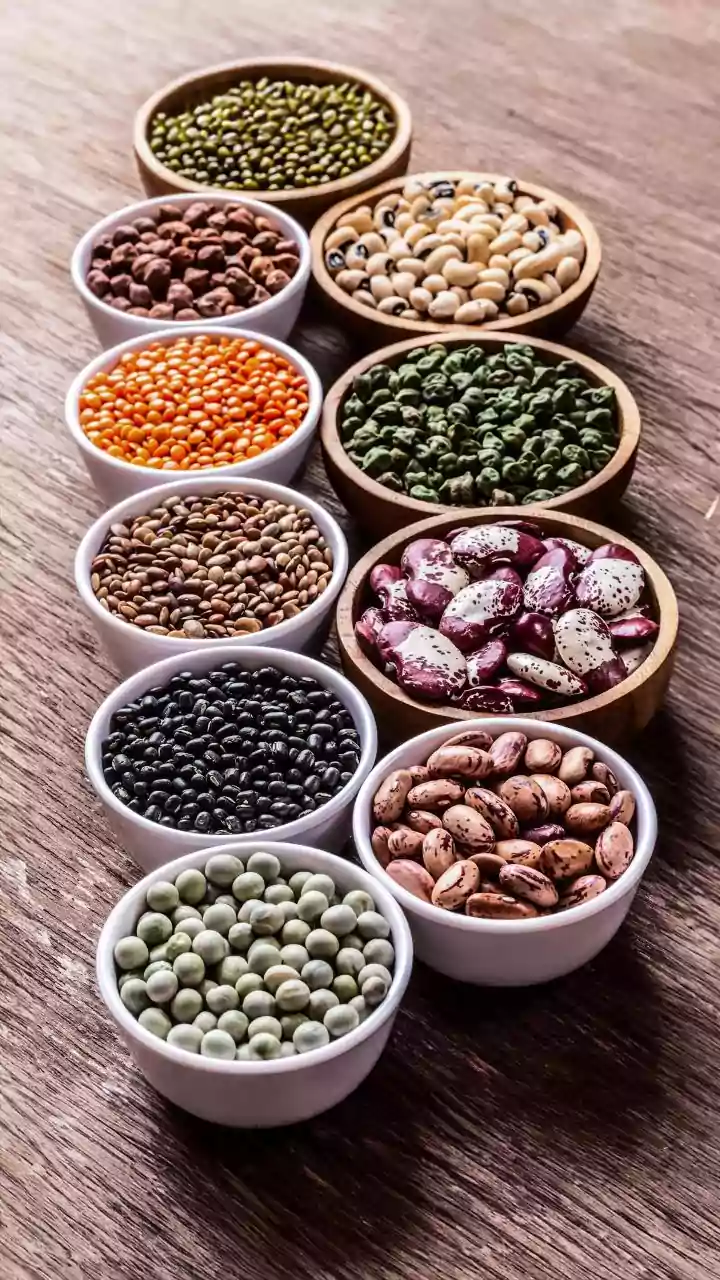
Light, nutritious, and incredibly easy to digest, moong dal is the perfect comfort food for the rainy season. Traditional Ayurvedic wisdom recommends light foods during monsoon to not overburden a sluggish digestive system. Moong dal is packed with protein and fibre, providing sustained energy without feeling heavy. A warm bowl of khichdi made with rice and moong dal is considered an ideal meal, balancing nutrients and supporting gut health.
Seasonal Gourds (Lauki, Tori)
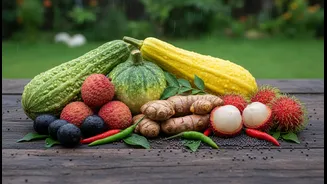
Vegetables like bottle gourd (lauki), ridge gourd (tori), and bitter gourd (karela) are excellent choices for the monsoon. They have high water content and are rich in fibre, making them easy on the stomach. Ayurveda recommends these vegetables as they are light and do not aggravate the digestive system. It's best to consume them well-cooked, for instance in soups, stews, or simple stir-fries, rather than raw to avoid waterborne contaminants.
Barley (Jau)
Barley is a fantastic whole grain to include in your monsoon diet. It is lighter than wheat and rich in fibre, which aids in maintaining a healthy digestive tract and preventing issues like bloating. It also helps in managing cholesterol. You can use barley to make soups, khichdi, or even upma. Its versatility makes it an easy and healthy swap for heavier grains during this season.
Probiotics (Dahi/Yogurt)
A healthy gut is the foundation of a strong immune system. Probiotics, the beneficial bacteria found in fermented foods like yogurt (dahi) and buttermilk, are crucial for maintaining gut health. They help fight off harmful bacteria and support your body's natural defenses. It's best to consume fresh, homemade yogurt during the day and avoid it at night, as per Ayurvedic recommendations, to prevent mucus buildup.
Seasonal Fruits (Pears, Plums, Jamun)
While many advise caution with fruits during monsoon, seasonal options like pears, plums, jamun, and pomegranates are generally safe and beneficial. These fruits are rich in antioxidants and essential vitamins like Vitamin C, which is vital for immune function. Pears are particularly good as they are high in fibre. Always ensure fruits are washed thoroughly and consumed fresh, avoiding pre-cut fruits from vendors.
Nuts and Seeds
A small handful of nuts and seeds can be a powerful addition to your daily diet. Almonds and walnuts are packed with protein, healthy fats, and Vitamin E, which supports the immune system. Pumpkin seeds are a great source of zinc, a mineral crucial for fighting off infections. They make for a perfect, energy-boosting snack that keeps you away from the temptation of unhealthy fried foods.
Corn (Bhutta)
Corn on the cob, or bhutta, is an iconic monsoon snack for a reason. Beyond its delicious taste, corn is a good source of fibre, which aids digestion, and antioxidants that help protect the body's cells from damage. Whether roasted over coals or boiled, it's a much healthier alternative to the deep-fried pakoras and samosas that are often craved during rainy weather.