






More Than a Meal Plan
When you visit a dietitian or nutritionist, you expect to talk about what you eat. But what if they also asked how you feel? This is the core of an evolving approach to nutritional care. Integrating mental health screening doesn't mean your dietitian is becoming
a therapist. Instead, it involves using simple, conversational tools to understand the emotional and psychological factors influencing your eating habits. This could involve asking about stress levels, sleep patterns, mood fluctuations, and your general relationship with food. The goal is to get a holistic picture. Practitioners can identify whether a client's challenges stem from a lack of nutritional knowledge, emotional triggers, or underlying issues like anxiety or depression that might require a specialist's attention.
The Gut-Brain Connection in Practice
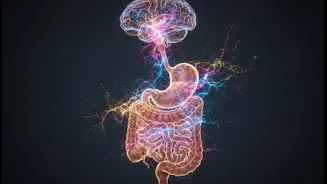
The science connecting nutrition and mental health is robust. Our gut is often called our "second brain," and for good reason—a significant portion of our body's serotonin, a key mood-regulating neurotransmitter, is produced in the digestive tract. A diet lacking in essential nutrients can impair brain function and worsen mood. By understanding a client's mental state, a nutrition professional can create a more effective and sustainable plan. For example, if someone is experiencing low motivation due to depression, a complex meal plan with intricate recipes is likely to fail. A better approach might focus on simple, nutrient-dense meals that are easy to prepare. Similarly, for someone whose anxiety leads to skipping meals, the focus might be on establishing a regular, calming eating routine to help stabilize blood sugar and mood.
Care vs. Diagnosis: A Crucial Distinction
The headline's point about not "pathologising normal variation" is vital. This means recognizing the difference between a clinical mental health disorder and the normal ups and downs of life. Feeling sad is not the same as clinical depression; being concerned about your weight is not the same as having an eating disorder. Nutrition professionals are trained to screen, not diagnose. The process is about identifying red flags. If a screening suggests a person is struggling with more than just dietary habits—for instance, if they exhibit signs of severe anxiety, disordered eating, or persistent low mood—the dietitian's role is to provide compassionate support and refer them to a qualified mental health professional, such as a psychologist or psychiatrist. This collaborative approach ensures the client receives comprehensive, whole-person care.
What This Integrated Approach Means for You
For anyone seeking to improve their health through diet, this integrated model is a significant step forward. It moves away from the outdated idea of food as just fuel and acknowledges that eating is a complex behaviour tied to culture, emotion, and psychology. When a nutrition plan accounts for your mental and emotional reality, it is far more likely to succeed. It creates a space where you can be honest about why you eat the way you do without judgment. This might involve discussing comfort eating, lack of motivation to cook, or anxiety around food choices. The result is a personalised, empathetic plan that feels supportive rather than restrictive. It empowers you to build a healthier relationship not just with food, but with yourself.