



Ignoring Potential Travel Disruptions
One of the biggest gambles during monsoon is transportation. Heavy rains can lead to delayed or cancelled flights, flooded railway tracks, and landslide-blocked roads, especially in hilly regions like the Himalayas or the Western Ghats. Relying on a single,
non-flexible booking is a recipe for disaster. If your train is cancelled, you might be forced to book an expensive last-minute flight or a private taxi, instantly blowing your budget. To avoid this, build buffer days into your itinerary and have backup travel options researched. When booking, look for flexible tickets that allow for changes, even if they cost a little extra upfront. It’s a small price to pay for peace of mind.
Packing the Wrong Gear
Showing up for a monsoon trip without the right gear is a costly error. That trendy pair of canvas shoes or your favourite cotton hoodie will become waterlogged liabilities. Once wet, heavy fabrics like denim can take days to dry in the humid air, leaving you uncomfortable and forcing you to buy overpriced replacements at tourist shops. More importantly, inadequate protection for your electronics can lead to the ultimate budget-buster: a water-damaged phone or camera. The fix is simple: invest in a reliable waterproof jacket, quick-drying synthetic clothes, and non-slip waterproof footwear. A quality dry bag or at least a rain cover for your backpack is non-negotiable to keep your gadgets and documents safe.
Underestimating Health and Safety Risks
The monsoon season is prime time for waterborne diseases and mosquito-borne illnesses like dengue and malaria. Getting sick on vacation is not just unpleasant; it can lead to unexpected expenses for doctor visits, medication, and even trip cancellations. Forgetting to take basic precautions is a gamble with both your health and your wallet. Always drink bottled or purified water, avoid street food that might be contaminated, and be diligent about using a strong insect repellent, especially in the evenings. Packing a basic first-aid kit with essentials for stomach upsets, cuts, and fever can also save you from an expensive trip to a local pharmacy.
Choosing an Inappropriate Destination
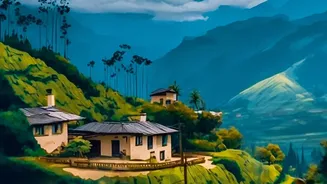
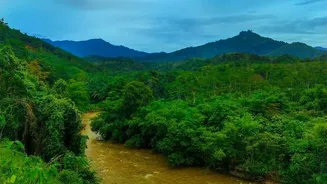
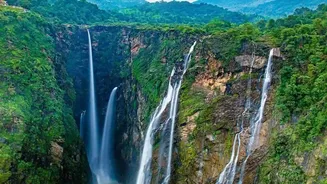
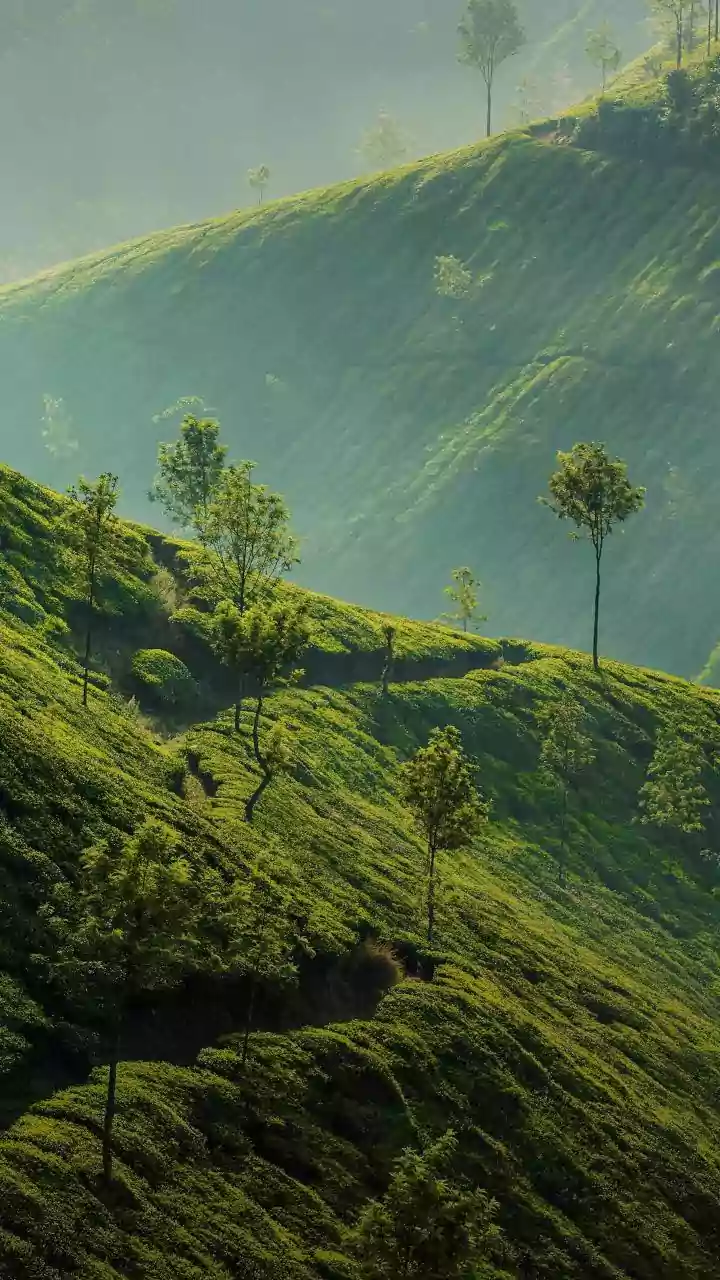
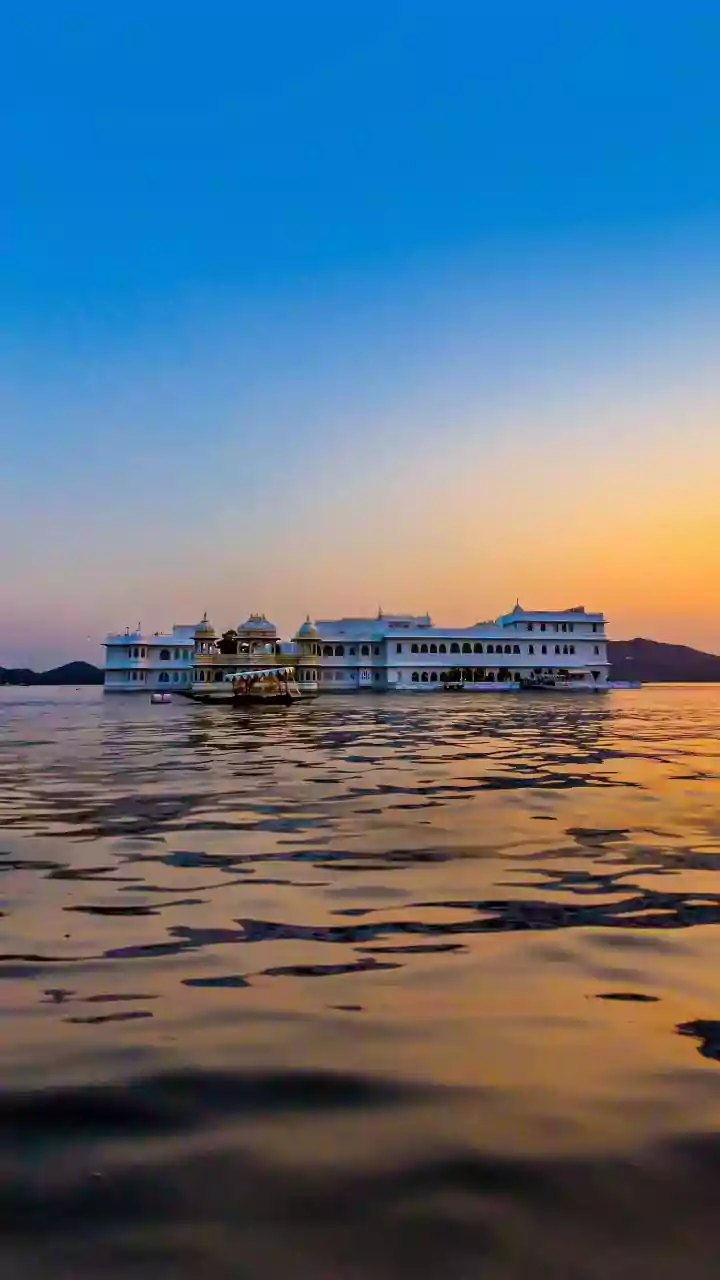
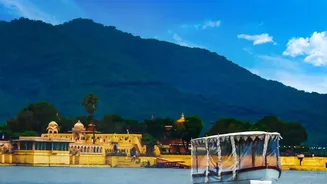
While many parts of India are beautiful during the monsoon, some are simply best avoided. Certain beaches may be closed for swimming due to strong currents, and many trekking routes in the Himalayas become dangerous due to slippery paths and the risk of landslides. Choosing a destination like a high-altitude trek or a coastal town known for its beach parties can lead to disappointment and wasted money when activities are cancelled. Instead, do your research and opt for places that flourish in the rain, such as the tea gardens of Munnar, the lake city of Udaipur, or the lush landscapes of Coorg. These destinations are well-equipped for the season and offer unique monsoon experiences.
Making Rigid, Non-Refundable Bookings
The allure of a heavily discounted, non-refundable hotel deal is strong, but it can be a major financial trap during the monsoon. As mentioned, travel plans can be upended in an instant by the weather. If a landslide blocks the road to your pre-paid, non-refundable resort, you've lost that money entirely. Flexibility is the golden rule of monsoon travel. Opt for accommodations that offer generous cancellation policies. It's often better to book directly or use platforms that clearly state the terms. This might mean missing out on the absolute cheapest deal, but it provides an essential safety net that protects your weekend budget from being washed away by an unexpected change of plans.