





Understanding This Year’s Monsoon Activity
While some long-range forecasts predicted a 'below-normal' monsoon for the season overall, the reality on the ground in early August has been one of intense, active spells. The India Meteorological Department (IMD) has forecast widespread rain with isolated
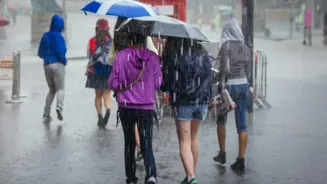
heavy to very heavy spells across northern, eastern, central, and southern parts of the country for August 5th and 6th. In Kerala, for instance, the rainfall received in the first five days of August was 149% above normal. This is not a uniform downpour but a series of powerful weather systems causing significant, localised impacts, from the Western Ghats to the hills of Uttarakhand, where rivers are flowing above danger marks.
The Domino Effect on Travel Networks
This intense weather translates directly into travel chaos. Heavy rains lead to waterlogged roads, poor visibility, and a heightened risk of landslides in hilly regions, causing sudden and prolonged closures. Train services have been hit hard, with flooding on tracks in regions like Assam leading to major cancellations and diversions on August 6th. Air travel is also affected; while rain alone rarely cancels a flight, the associated thunderstorms, low visibility, and strong winds cause significant delays. These delays have a cascading effect, where a morning disruption can lead to much longer waits for afternoon and evening flights as schedules back up. For travellers with tight connections, a single delay can derail an entire itinerary.
Smart Scheduling: Your First Line of Defence
The most crucial strategy for navigating this monsoon is building flexibility into your schedule. Avoid booking travel legs—like a flight followed by a long-distance bus a few hours later—too close together. The concept of a 'buffer day' is your best friend; allowing an extra day between major destinations can absorb unexpected delays without causing stress. When possible, opt for morning flights, as they are less likely to be affected by the afternoon build-up of thunderstorms. For road travel, especially in hilly or flood-prone areas, start your journey early in the day and avoid driving at night when visibility is lowest and risks are higher. Before starting any leg of your journey, check the latest local weather alerts and transport updates.
Essential Apps and Pre-Checks
Leverage technology to stay ahead of the weather. Before you even leave home, download reliable weather apps that provide real-time satellite imagery and alerts from the IMD. For train journeys, the official National Train Enquiry System (NTES) app is indispensable for live updates on cancellations and delays. Similarly, all major airlines have apps that provide the most current flight status information. Before heading to an airport or railway station, a quick check can save you hours of waiting. Also, keep waterproof bags or pouches for all your essential electronics and documents, such as your passport, phone, and chargers. A portable power bank is also a wise addition, as power cuts can accompany severe weather.
Rethinking Your Itinerary and Packing
Sometimes, the smartest plan is one that adapts to the season. Consider destinations in rain-shadow regions or those with lower rainfall if your schedule is inflexible. However, if you're embracing the monsoon, pack accordingly. Opt for lightweight, quick-drying synthetic clothes over cotton and denim, which stay damp for hours. A reliable rain jacket and a sturdy umbrella are non-negotiable. Waterproof footwear with a good grip is essential to navigate slippery streets. Finally, carry a basic first-aid kit and insect repellent, as the humid conditions can lead to an increase in mosquitoes.