


The Rise of Spontaneous Travel
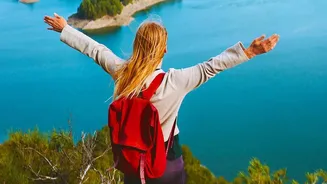
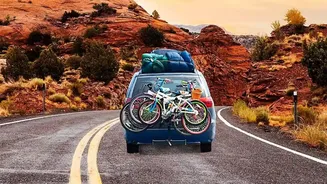
One of the most significant shifts in travel is the move away from rigid, long-term planning towards spur-of-the-moment adventures. Fueled by flexible work arrangements and a collective desire to break free from routine, travellers are increasingly embracing
the thrill of the unplanned trip. Nearly 80% of younger travellers, Gen Z and Millennials, are now open to spontaneous getaways. This trend isn't just about last-minute bookings; it's a mindset that prioritizes freedom and discovery over a meticulously crafted itinerary. Psychologists note that spontaneous travel can be liberating, reducing the stress that often comes with holiday planning and forcing us to live in the moment. This approach often leads to more authentic experiences, as travellers rely on local advice rather than pre-researched lists, fostering a deeper connection with the destination.
The Search for Silence and Seclusion
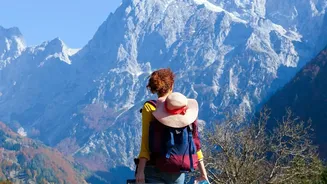
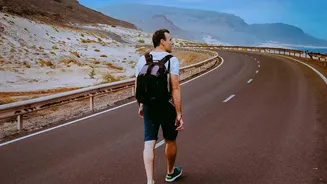
On the other end of the spectrum is a powerful craving for quiet. In an era of digital noise and constant stimulation, travellers are actively seeking destinations that offer peace and a chance to disconnect. This has given rise to 'hushpitality' and 'quiet tourism', where the primary luxury is not opulence but silence, privacy, and space. A recent Hilton trends report highlighted that 56% of travellers' top motivation is simply to rest and recharge. Consequently, there's a growing interest in less-crowded destinations, remote retreats, and off-season travel. These trips are often a form of wellness travel focused on recovery and nervous system regulation, allowing people to return home feeling genuinely rested rather than needing a vacation from their vacation.
Slow Travel: Depth Over Distance
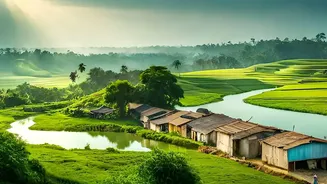
Instead of racing through five cities in seven days, a growing number of people are adopting the 'slow travel' philosophy. This approach prioritizes spending more time in fewer places to foster a deeper, more meaningful connection with the local culture. It's a conscious move away from 'checklist tourism' towards immersive journeys. Slow travellers might spend a week exploring a single neighbourhood, learning a local craft, or simply observing daily life. This method not only reduces the stress of travel but also aligns with sustainable practices by supporting local economies and reducing the carbon footprint associated with constant movement. With the rise of remote work, this trend is accelerating, allowing 'digital nomads' and professionals to blend work with extended stays in a single location.
Purpose-Driven and Wellness Journeys
Increasingly, trips are being built around a specific purpose beyond simple leisure. Wellness tourism, which has doubled in size over the last decade, is a massive driver of this. People are travelling for everything from yoga and meditation retreats to sleep-focused programmes and nature immersion. This isn't just about spa breaks; it's about investing in physical and mental well-being. Beyond personal wellness, 'positive-impact travel' is also on the rise, where travellers seek to contribute to the communities they visit. This can include eco-tourism that supports conservation, learning about local food production, or choosing operators who directly benefit the local community. The destination is chosen for the experience it offers, whether that's running a marathon, learning a new skill, or finding mental clarity.
Exploring the Uncrowded and Overlooked
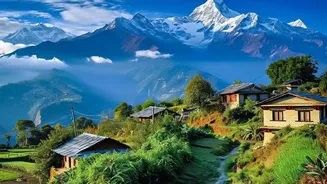
Overtourism at popular hotspots has led savvy travellers to seek out lesser-known alternatives. A 2026 survey found that 43% of travellers planned to actively avoid overcrowded destinations. This is opening up opportunities for 'second cities' and regions that offer authentic experiences without the crowds. Places like Albania, the Alentejo coast in Portugal, and Luang Prabang in Laos are gaining traction for offering rich culture and beautiful landscapes in a more relaxed setting. In India, destinations like Bhuj in Gujarat or the newly accessible northern parts of Goa are attracting those looking for authenticity off the beaten path. This trend benefits travellers with lower prices and a stronger sense of discovery, while also helping distribute the economic benefits of tourism more widely.