






Understand the Program's Framework
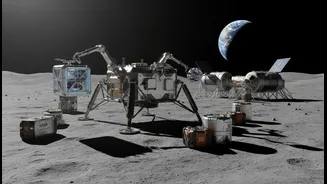
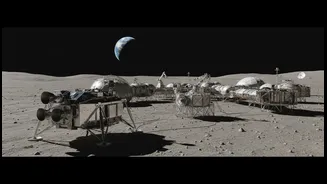
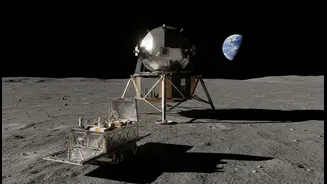
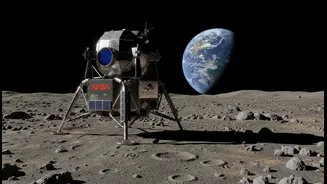
Before assessing any single company, it’s crucial to understand the program they are part of: the Commercial Lunar Payload Services (CLPS) initiative. Through CLPS, NASA doesn't own and operate the lunar landers; instead, it buys a delivery service from
private industry. This model aims to reduce costs, spur innovation, and build a robust commercial ecosystem for lunar exploration. NASA acts as one of many potential customers, meaning these companies must eventually build a business case that extends beyond government contracts. Recent awards to companies like Astrobotic, Firefly Aerospace, and Intuitive Machines are part of a broader strategy to establish a long-term presence on the Moon, supporting the larger Artemis program. Understanding this framework helps clarify that a NASA contract is a powerful endorsement and a key revenue stream, but not a guarantee of a company's total success.
Scrutinize the Company's Track Record
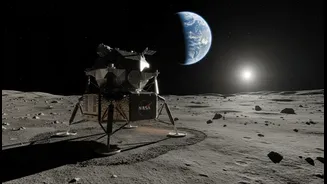
A CLPS award is a vote of confidence, but past performance is a critical indicator of future success. The history of commercial lunar missions is mixed. For example, Intuitive Machines successfully landed its Odysseus lander on the Moon, though it tipped on landing, while a mission from Astrobotic suffered a propulsion failure and did not reach the lunar surface. Firefly Aerospace has also seen a successful mission. When evaluating a company, look beyond the latest contract. Examine their full mission history, including both successes and failures. How did the company respond to anomalies? What lessons were learned and publicly shared? A company that demonstrates resilience and the ability to learn from setbacks may be a stronger long-term player. Also, consider the maturity of their lander design; NASA has noted that recent awards favor companies using updated versions of already-flown landers to increase the mission cadence.
Analyze the Contract and Financial Health
The devil is often in the details. A single contract award, even one worth over $100 million, doesn't tell the whole story. Investigate the total value and structure of the award. For instance, recent contracts awarded to Intuitive Machines included a base amount and a significant performance incentive, tying payment directly to success. Look at the company's broader financial situation. Are they a publicly traded entity with transparent financial reporting? Are they a startup heavily reliant on this single contract, or do they have a diversified portfolio of customers across government and commercial sectors? Some companies are also part of larger corporate acquisitions, which can provide financial stability and a broader institutional backing. Assessing a company's financial runway and revenue diversity is just as important as the technology it's building.
Assess the Technological and Execution Risk
Landing on the Moon is incredibly difficult. Even with advanced technology, the risks are immense, from launch failures to the challenging lunar environment. Investors and partners must perform due diligence on the technical readiness of a company's lander. Key questions include whether the core technology has been demonstrated successfully in space and what technical hurdles remain. The lunar south pole, a target for many missions, is particularly treacherous but holds the promise of water ice. Furthermore, a lander's engine exhaust can kick up regolith that can damage the spacecraft itself or nearby assets, a phenomenon known as Plume-Surface Interaction (PSI). All these technical challenges translate to business risk. A single failure can be catastrophic for a smaller company, making a realistic assessment of the engineering and operational plan essential.
Consider the Broader Artemis Context
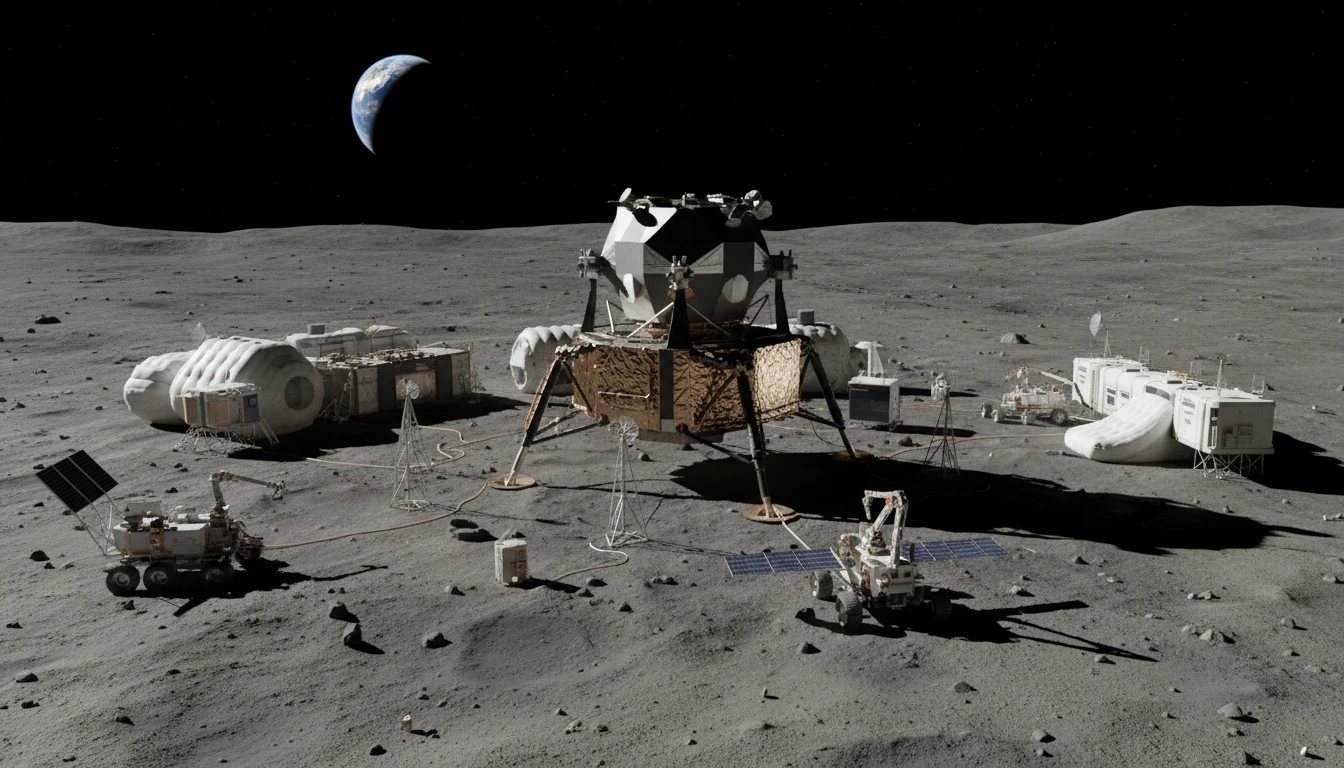
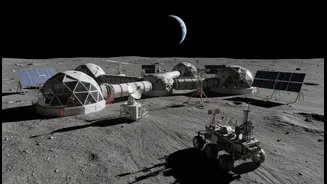
These CLPS deliveries are not happening in a vacuum. They are foundational to NASA's Artemis program, which aims to return humans to the Moon and eventually go to Mars. The payloads delivered by these commercial landers—such as science instruments, radiation monitors, and navigation aids—are gathering critical data needed for future human missions. For example, some instruments are designed to study how lander plumes disturb lunar dust, which is vital information for when larger human landers begin to operate near each other. Therefore, it's important to evaluate how a company's mission fits into this larger strategic picture. Does their technology align with NASA's long-term needs for a sustained lunar presence, such as power systems, mobility, and resource utilization? A company that becomes integral to the Artemis infrastructure is better positioned for follow-on contracts and long-term relevance.