







From Ruined Holiday to Main Attraction
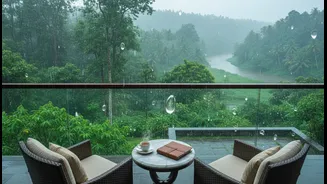
For generations, rain was the unwelcome guest on any holiday, a source of cancelled plans and disappointment. But a significant shift is underway in the travel industry. What was once considered the off-season is now being rebranded as the 'cozy season'.
Hotels are discovering that dreary weather, far from being a liability, can be a powerful asset. Instead of avoiding the rain, travellers are now actively seeking it out. This change in perception has allowed destinations to transform their quietest months into a unique selling proposition, attracting visitors with the promise of lush landscapes and a more authentic, tranquil experience.
The Rise of Monsoon Tourism in India
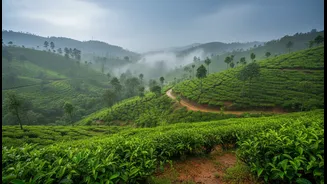
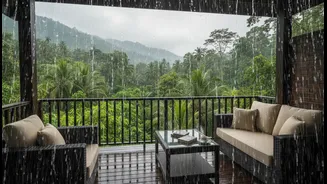
Nowhere is this trend more evident than in India, where 'monsoon tourism' is booming. States like Kerala, Goa, and even destinations in Rajasthan are successfully marketing the rainy season as a prime time to visit. Once considered a period to avoid, the monsoon now draws travellers who come to see the country at its most vibrant and green. Luxury hotel chains have leaned into this, offering curated monsoon packages that highlight the beauty of the season. In Kerala, for example, the rainy season is considered the best time for Ayurvedic treatments, a tradition that hotels now package with luxury stays, offering a blend of wellness and weather. The sound of rain on the roof of a houseboat-shaped villa or watching storms roll over a palace has become a coveted experience.
The Psychology of Cozy
The appeal of a rainy-day getaway is rooted in a deeper psychological need for rest and disconnection. In our hyper-connected, fast-paced world, many travellers are seeking permission to slow down. Rain provides a natural excuse to stay indoors, curl up with a book, and indulge in quiet contemplation. This taps into the global wellness trend of 'cocooning' and the search for deep rest. For a pluviophile, a person who loves rain, the appeal is obvious: the soothing sound, the fresh smell of petrichor, and the calming atmosphere are sources of joy and peace. Hotels are facilitating this by creating what some call 'Hushpitality'—an environment focused on quiet, reflection, and solitude. It’s a shift from destination-led to intention-led travel, where the goal is not to see everything, but to feel restored.
What's in a 'Rainy Day Retreat'?
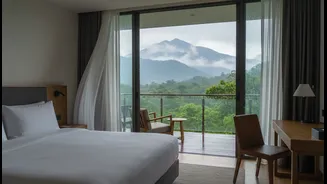
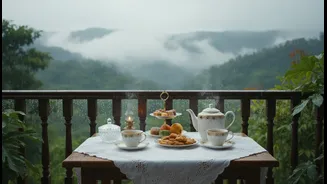
So what can a guest expect from a hotel that sells the rain? Packages are designed to enhance the cozy, indoor experience. Common offerings include rooms with fireplaces, extensive book and board game libraries, and complimentary hot drinks like gourmet coffee or spiced hot chocolate. Menus are adapted to feature warming comfort foods. Spas become a focal point, offering treatments centered on warmth and relaxation. Some hotels go further, organizing pastry-making classes, mocktail workshops, or guided nature walks with raincoats and umbrellas provided to experience the misty, renewed landscape firsthand. These thoughtful touches transform a rainy day from a potential bore into a luxurious, curated experience.
A More Sustainable Travel Calendar
This trend offers more than just a new type of vacation; it presents a solution to a long-standing industry problem: seasonality. By successfully marketing the monsoon or rainy seasons, hotels can smooth out demand, reduce overcrowding during peak sunny months, and maintain a healthier, more consistent revenue stream throughout the year. This benefits not only the hotels but also local economies by providing more stable, year-round employment. As travellers become more mindful, the idea of visiting a destination when it is less crowded and more naturally beautiful is increasingly appealing. Embracing the rain, it turns out, is not just good for the soul—it's good for business, too.