

The Foundation: Bodyweight Squats
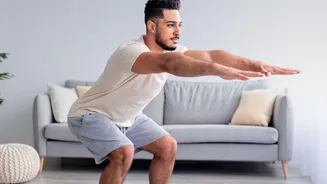
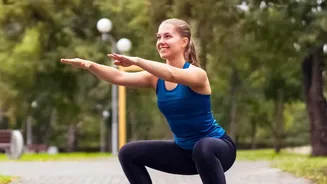
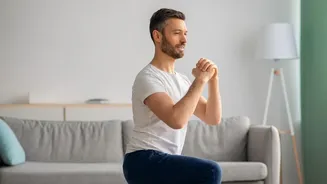
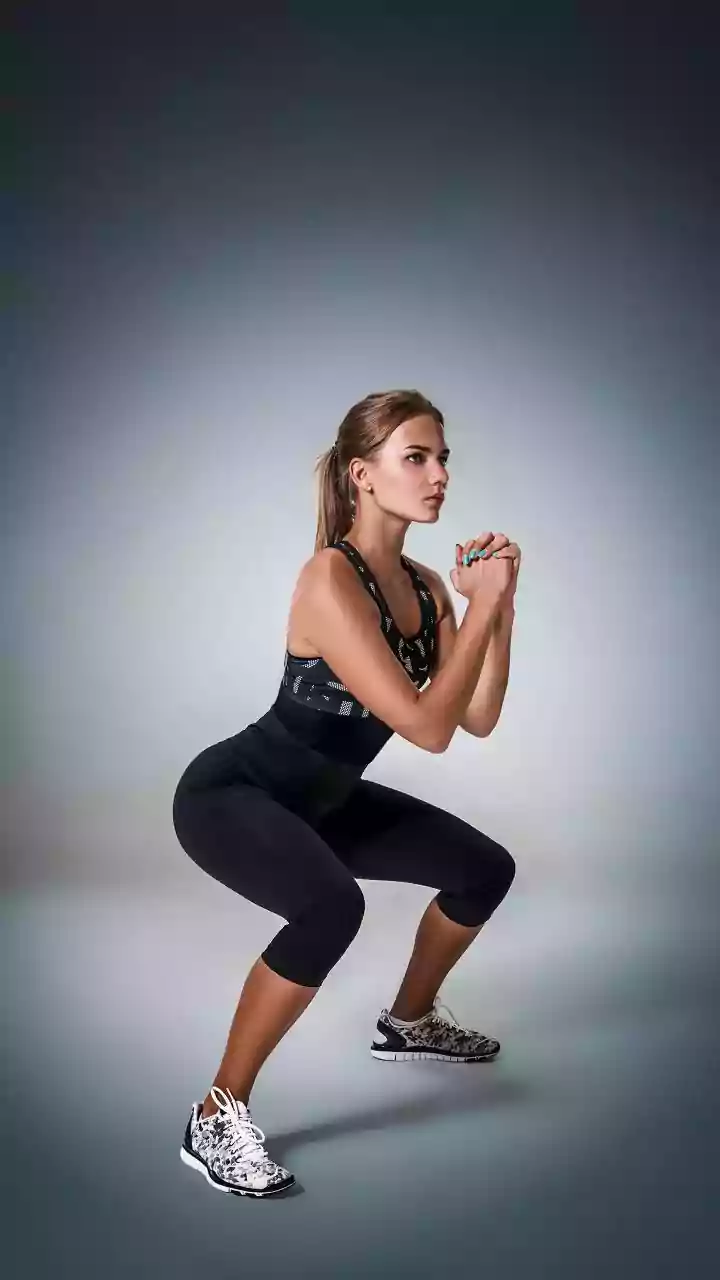
The squat is a powerhouse movement, essential for building a strong lower body and core. To perform a perfect squat, stand with your feet shoulder-width apart, keeping your chest up and back straight. Lower your hips as if you're sitting in a chair, aiming
to get your thighs parallel to the floor. Ensure your knees track over your feet but not past your toes. Push through your heels to return to the starting position. This single move targets your quads, hamstrings, and glutes, making it a cornerstone of any strength routine.
Upper Body Power: Push-Up Progressions
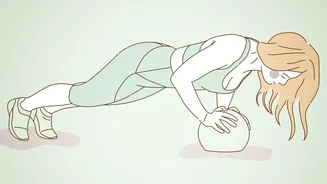
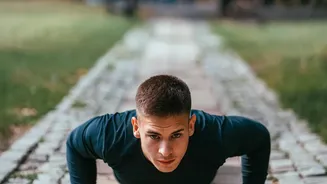
Push-ups are one of the most effective exercises for upper-body strength, working your chest, shoulders, and triceps. If a standard push-up is too challenging, don't worry. Beginners can start with wall push-ups, standing a few feet from a wall and pressing against it. From there, progress to incline push-ups on a sturdy table or bench, and then to knee push-ups on the floor. This progression allows you to build strength gradually and safely before tackling the full movement.
Core Strength King: The Plank
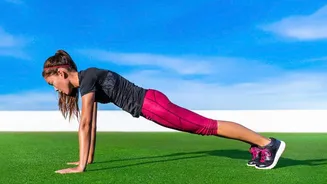
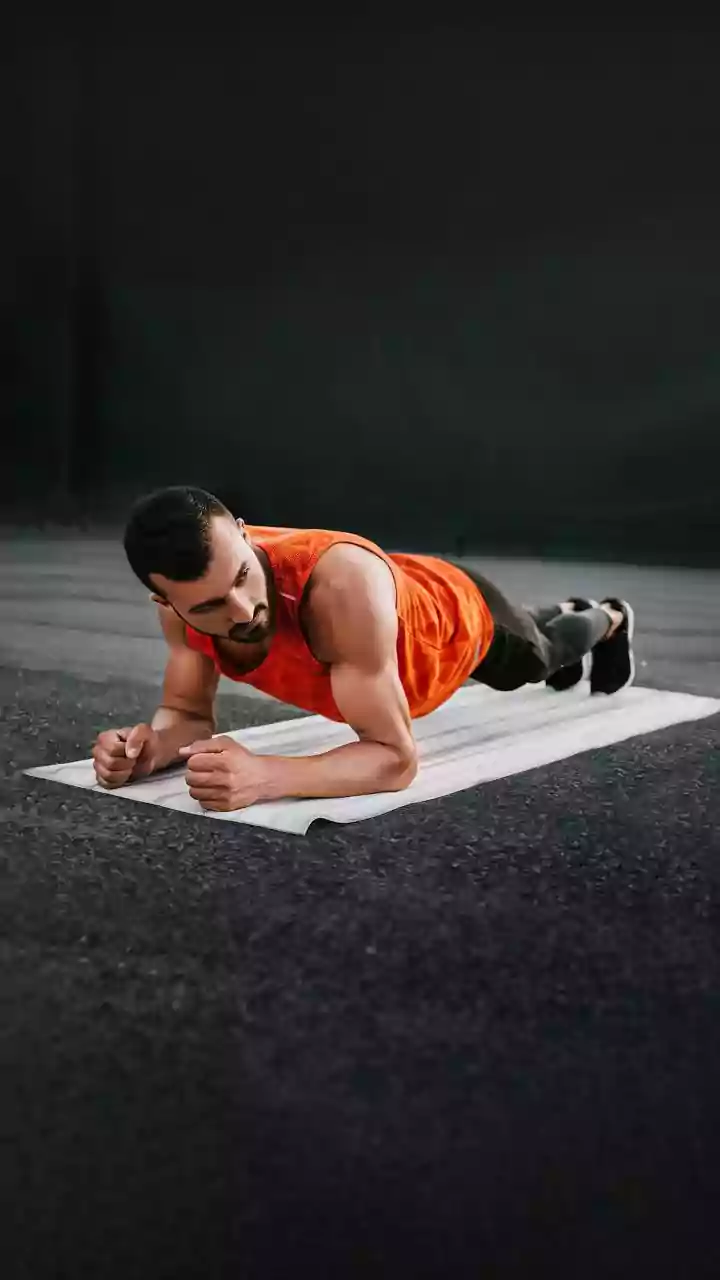
A strong core is the secret to overall stability and power. The plank is an isometric exercise that strengthens your entire midsection, including your abs, obliques, and lower back. To perform it, hold your body in a straight line from your head to your heels, supported by your forearms or hands. It's crucial to keep your core engaged and prevent your hips from sagging or rising too high. Start by holding for 20-30 seconds and gradually increase the time as you get stronger.
Posterior Chain Power: The Glute Bridge
So much of modern life involves sitting, which can lead to weak glutes and lower back discomfort. The glute bridge directly counters this. Lie on your back with your knees bent and feet flat on the floor, hip-width apart. Drive through your heels to lift your hips toward the ceiling, squeezing your glutes at the top. Pause for a moment before lowering your hips back down with control. This move is fantastic for activating the glutes and hamstrings, crucial muscles for posture and power.
Balance and Strength: Master the Lunge
Lunges are a unilateral exercise, meaning they work one leg at a time. This is excellent for improving balance, coordination, and identifying strength imbalances. Step forward with one leg and lower your hips until both knees are bent at a 90-degree angle. Your front knee should be directly above your ankle, and your back knee should hover just above the ground. Push off the front foot to return to the start. You can perform forward lunges, or for a more knee-friendly version, try reverse lunges.
Workout Hack 1: Slow It Down
One of the best 'hacks' for building muscle without weights is to manipulate 'time under tension'. Instead of rushing through your reps, slow them down. For example, when doing a squat, take three full seconds to lower yourself down, pause for one second at the bottom, and take another three seconds to push back up. This increased time under tension forces your muscles to work harder, stimulating more growth and strength gains without needing to add any external weight. This technique can be applied to almost any bodyweight exercise.
Workout Hack 2: Add Volume and Density
To continue making progress, you need to challenge your muscles. This is known as progressive overload. With bodyweight exercises, you can do this by increasing volume (doing more reps or sets) or increasing density (doing the same amount of work in less time by shortening rest periods). If you did three sets of 10 squats last week, aim for three sets of 12 this week. Or, try to complete your entire workout a little faster than last time. This ensures you're consistently getting stronger.