






The Wisdom of Tradition
For generations, Indian households have adapted their diets during the rainy season, guided by Ayurvedic principles. Ayurveda, the ancient Indian system of medicine, identifies the monsoon or ‘Varsha Ritu’ as a time when our digestive fire, known as ‘Agni’,
naturally weakens. The increased humidity and dampness in the environment are believed to slow down our metabolism, making us more susceptible to issues like bloating, indigestion, and general sluggishness. Consequently, traditional monsoon diets focus on foods that are warm, light, and easy to digest. The emphasis is on freshly cooked meals over raw or cold foods, as cooking not only makes food easier for a weaker gut to handle but also helps kill bacteria that thrive in the humid weather.
Your Traditional Monsoon Plate
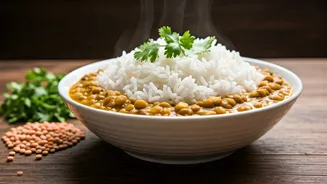
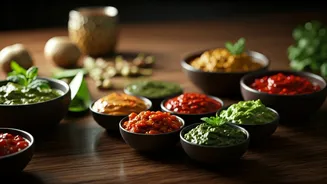
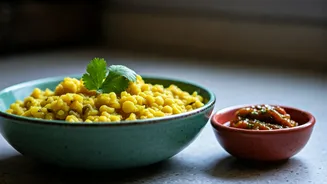
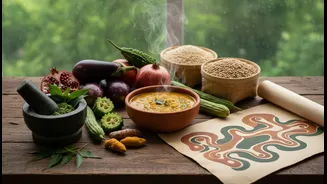
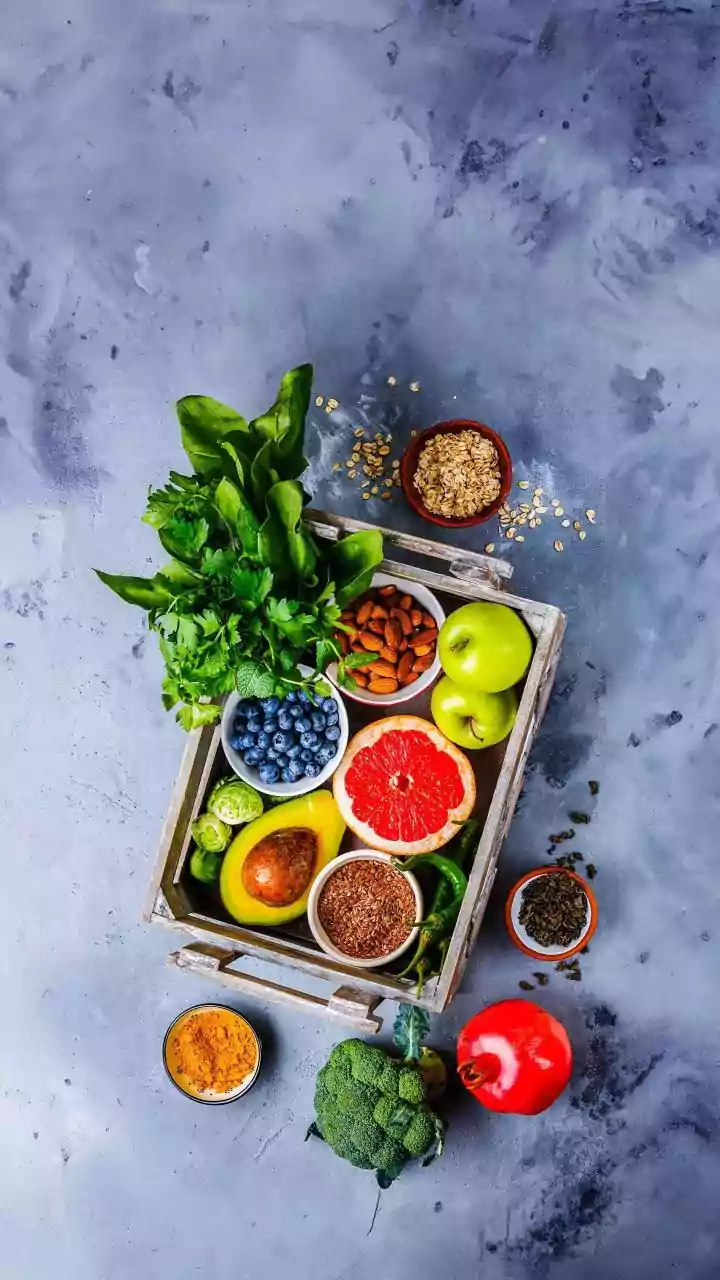
A traditional monsoon plate is rich with immunity-boosting spices and ingredients. Spices like turmeric (haldi), ginger (adrak), garlic (lehsun), and black pepper (kali mirch) are central to monsoon cooking for their anti-inflammatory and antibacterial properties. Meals often feature light, nourishing dishes like moong dal khichdi, warm vegetable soups, and steamed foods. Hot broths and rasam, particularly those made with pepper and tamarind, are staples that provide comfort and aid digestion. Grains like aged rice and barley are preferred as they are considered lighter on the system. Vegetables that grow on vines, such as bottle gourd (lauki) and ridge gourd (turai), are recommended over leafy greens, which can harbor dirt and germs from the rain.
Making Room for Modern Flexibility
While traditional wisdom provides a powerful framework, modern life demands flexibility. Not everyone has the time for elaborate, freshly cooked meals three times a day. The key isn't to rigidly follow ancient rules but to adapt their core principles to our current lifestyles. Flexibility means finding convenient ways to eat light, warm, and nutritious food. This could involve batch-prepping proteins or creating one-pot meals that last a couple of days. It also means incorporating a wider variety of ingredients that are now easily available, while still respecting the core idea of easy digestion and high nutrition.
A Flexible and Healthy Rainy Day Menu
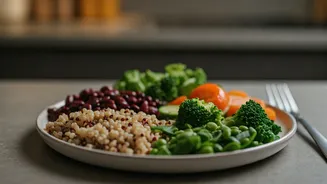
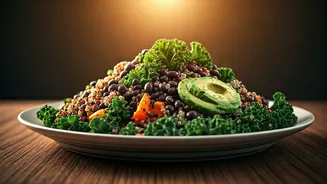
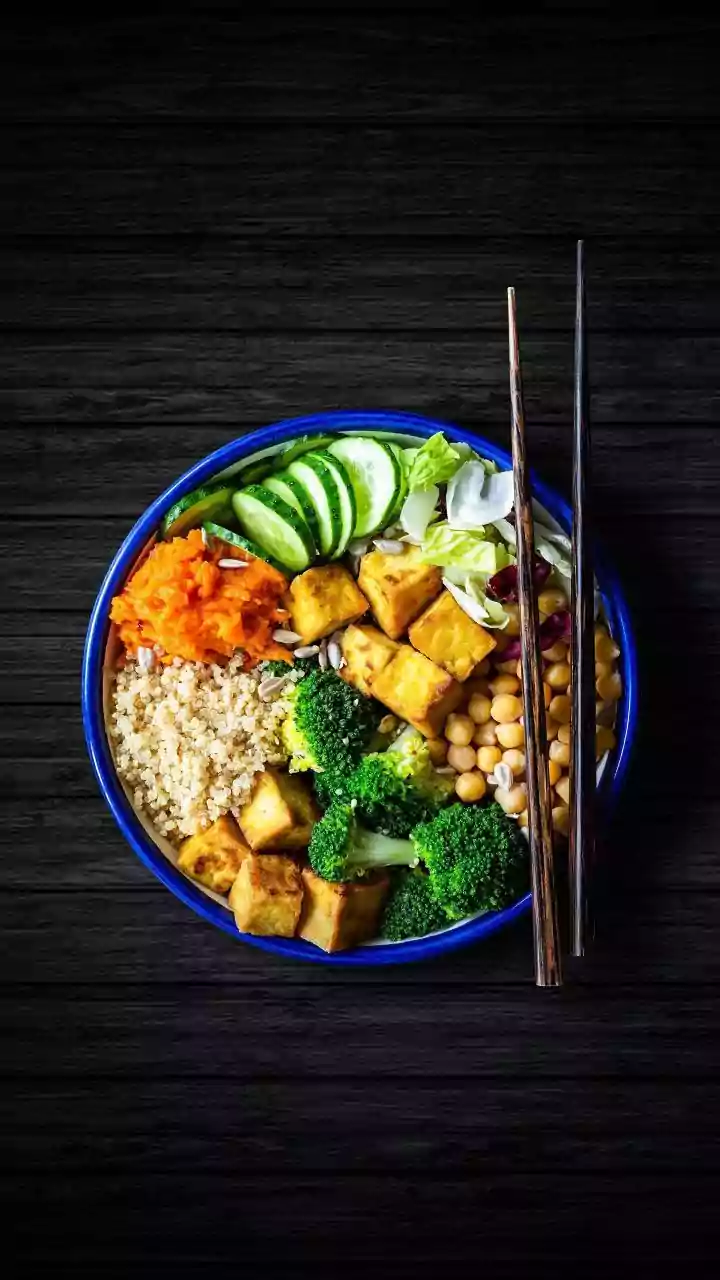
Applying a flexible approach can make monsoon eating both healthy and exciting. Instead of only traditional khichdi, you could try a light quinoa salad with steamed vegetables and a lemon-ginger dressing. If you're craving fried snacks like pakoras, consider using an air-fryer or baking them instead of deep-frying to reduce the oil content. You can whip up a comforting bowl of soup using a mix of lentils and seasonal vegetables, which is a quick and complete meal. For breakfast, instead of cold cereal, a warm bowl of poha or upma fits the monsoon-friendly criteria perfectly. Wraps with fillings like hummus and grilled paneer or chicken offer a quick, mess-free lunch that is still light and packed with protein. The goal is to innovate while keeping the principles of warmth and digestibility in mind.
Foods to Limit During the Rains
Both tradition and modern food safety advise caution with certain foods during this season. It's best to avoid or limit street food, especially items like chaat and pre-cut fruits, due to the high risk of water and food contamination. The monsoon is the breeding season for many fish, so their availability is low and the risk of contamination can be high; it's advisable to be extra cautious about the freshness and source of seafood. Raw salads and leafy green vegetables should be consumed with care; if you do eat them, ensure they are washed thoroughly, perhaps in warm water, and preferably cooked to eliminate germs. It's also wise to reduce the intake of heavy-to-digest dairy products and red meats.