

A New Artery Through the Arid Heart
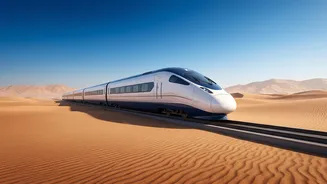
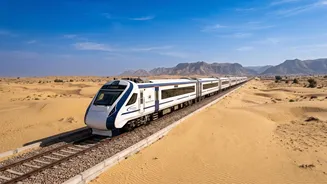
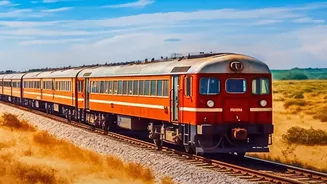
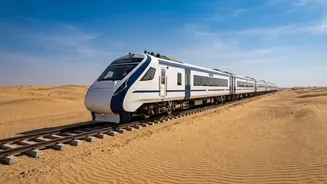
A key Vande Bharat Express route is reshaping travel across Rajasthan, creating a vital high-speed link between Jodhpur and Sabarmati in Gujarat. This service effectively bridges Marwar's cultural capital with one of India's major commercial hubs. The
journey, which now takes approximately six hours, represents a significant time saving for travellers used to longer road or rail journeys. The train makes strategic stops at Rajasthani towns like Pali Marwar, Falna, and Abu Road, weaving them more tightly into the national economic and tourism fabric. By connecting these smaller but significant hubs, the railway is not just moving people faster; it's creating a new corridor for commerce, education, and opportunity, making previously distant cities feel like neighbours.
The View From the Window
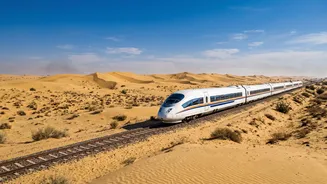
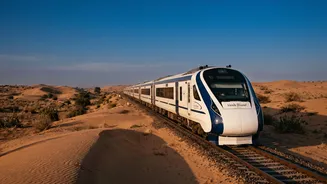
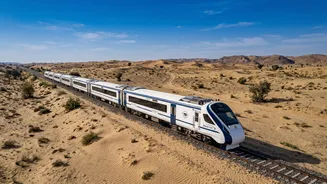
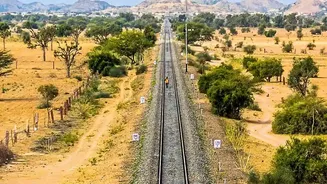
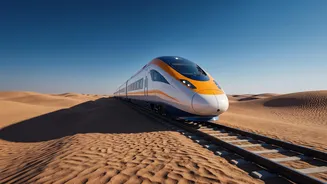
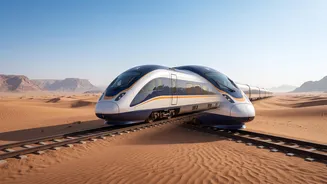
The true magic of this route lies in the scenery framed by the train’s large windows. As the Vande Bharat pulls away from the urban sprawl of Jodhpur, the landscape transforms. The terrain gives way to the vast, semi-arid plains characteristic of the Marwar region. Passengers are treated to a moving panorama of hardy keekar and babul trees, grazing livestock, and the occasional silhouette of a camel against the horizon. The route skirts the Aravalli Range, offering glimpses of its ancient, weathered hills. Especially between Falna and Abu Road, the tracks cut through a rugged landscape that feels both timeless and remote. It’s a journey that contrasts the state-of-the-art train, a symbol of modern India, with an environment that has remained largely unchanged for centuries, offering a unique perspective on the diversity of the nation's geography.
Comfort Meets Cutting-Edge Technology
Stepping inside the Vande Bharat is like entering a different world. Designed for comfort and convenience, the trainsets are a leap forward from conventional passenger rail. The interiors are clean and spacious, with ergonomically designed reclining seats that can rotate 180 degrees, allowing passengers to always face the direction of travel or sit with their group. GPS-based passenger information screens provide real-time updates on the journey, while diffused LED lighting creates a pleasant ambiance. Features like automatic sliding doors, bio-vacuum toilets, and onboard Wi-Fi for entertainment bring the experience closer to air travel. For passengers undertaking the six-hour journey, these amenities transform the trip from a tiresome necessity into a comfortable and productive experience, whether for a business professional preparing for a meeting or a family starting their vacation.
An Engine for Tourism and Trade
The impact of this Vande Bharat service extends far beyond passenger convenience. It acts as a powerful catalyst for the local economy. The stop at Falna, for instance, provides easier access for wildlife enthusiasts heading to the famous Jawai Bandh leopard conservation area. Similarly, the halt at Abu Road is a boon for tourists travelling to Rajasthan's only hill station, Mount Abu. For traders in Pali, known for its textiles, the faster connection to Gujarat's markets is a significant advantage. This enhanced connectivity encourages weekend trips and short-term tourism, distributing economic benefits more evenly across the region instead of concentrating them only in major cities. By reducing friction in travel, the train empowers small businesses, facilitates professional movement, and makes the cultural and natural treasures of Rajasthan more accessible to all.