


Why Heat Triggers Muscle Cramps
When you're active in high heat, your body sweats to cool down. This is a vital process, but it comes at a cost. Sweat isn't just water; it’s also packed with essential minerals called electrolytes. The more you sweat, the more of these minerals you lose.
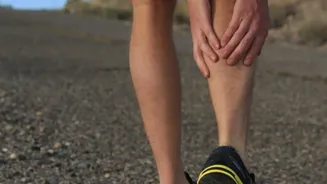
While we often associate cramps with dehydration, it's more specifically the loss of electrolytes, particularly sodium, that is a primary culprit behind heat-related muscle spasms. These cramps are a sign that your body's mineral balance is off, affecting its ability to function correctly. The muscles in your legs, arms, and abdomen are often the first to protest with painful, involuntary contractions.
The Role of Key Electrolytes
Electrolytes are minerals that carry an electric charge and are crucial for several bodily functions, including nerve signals and muscle contractions. When their levels are depleted, your muscles can't contract and relax properly. The main players in cramp prevention are: Sodium, which helps the body retain water and is lost in large amounts through sweat; Potassium, which is vital for muscle contractions and nerve communication; Magnesium, which helps muscles relax after contracting; and Calcium, which is essential for initiating muscle contractions. An imbalance in any of these can leave your muscles more susceptible to seizing up, especially when they are already under stress from heat and physical activity.
When Water Isn't Enough
Staying hydrated is crucial, but chugging plain water after significant sweat loss can sometimes make things worse. Drinking large amounts of water without replacing lost electrolytes can further dilute the sodium concentration in your blood, a condition that can increase the risk of cramping. This is why athletes and anyone working in the heat often turn to drinks that contain electrolytes. For moderate activity in the heat, water might be fine, but once you start sweating heavily or are active for over an hour, it becomes important to replenish both fluids and the minerals you've lost. This ensures your body has what it needs to keep muscles firing correctly.
Natural Food Sources for Electrolytes
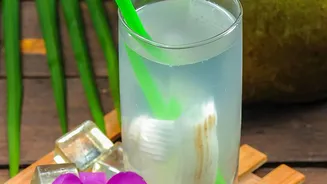
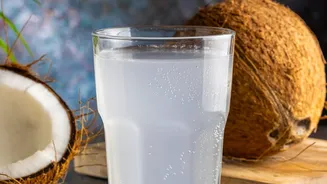
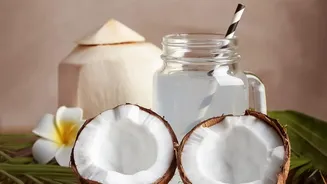
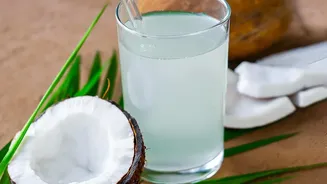
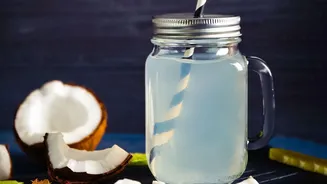
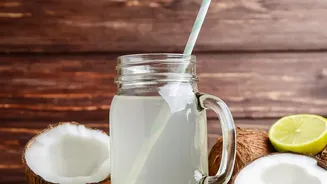
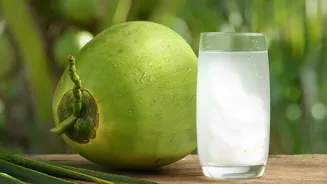
One of the best ways to maintain your electrolyte balance naturally is through your diet. Many whole foods are packed with the minerals your muscles need. For a potassium boost, look to bananas, sweet potatoes, avocados, and spinach. Coconut water is another excellent natural source of potassium and some sodium. You can find calcium in dairy products like milk and yogurt, as well as in leafy greens such as kale. Magnesium is abundant in nuts, seeds, beans, and avocados. Incorporating a variety of these foods into your daily meals provides a steady supply of electrolytes, helping to fortify your body against cramps.
DIY Natural Electrolyte Drink
You don’t need to buy expensive sports drinks to rehydrate effectively; you can easily make your own natural version at home. A simple and effective recipe involves combining water with sources of sugar, salt, and potassium. For a basic mix, stir the following into one litre of water: the juice of one or two lemons or oranges (for potassium and flavour), a quarter-teaspoon of salt (for sodium), and one to two tablespoons of honey or maple syrup (for energy and to help absorption). You can also use coconut water as a base for an extra potassium kick or add a small pinch of baking soda for more electrolytes. This simple solution provides the key elements your body needs to rebalance after sweating.
Choosing a Commercial Solution
While natural options are great, sometimes convenience is key. When choosing a store-bought electrolyte drink, it's important to read the label. Look for options that contain key electrolytes like sodium and potassium. Be mindful of the sugar content; many popular sports drinks are very high in sugar, which may not be necessary unless you're engaged in prolonged, high-intensity endurance exercise. For general rehydration, there are many low-sugar or zero-sugar electrolyte powders and tablets available that can be added to water. These can be a great option to have on hand for days when you know you'll be out in the heat.