



The Obvious Win: Minimal Cleanup
Let’s start with the most celebrated benefit: fewer dishes. The dread of facing a sink piled high with pots, pans, and various utensils after a long day can be enough to make anyone reach for a takeaway menu. One-pan meals eliminate this hurdle almost
entirely. By cooking your protein, carbohydrates, and vegetables together in a single vessel—be it a sheet pan, a skillet, or a Dutch oven—you streamline the entire process from start to finish. This isn't just about saving time on scrubbing; it's about reclaiming your evening. Instead of spending an extra 20 minutes at the sink, you can relax, connect with family, or simply enjoy a quiet moment. This simple shift from a multi-pot mess to a single-pan success is a game-changer for busy households.
Maximum Flavour, Minimum Effort
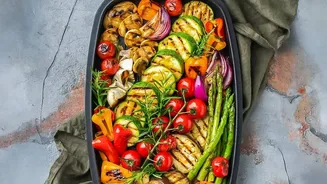
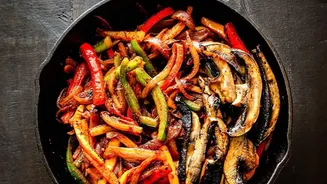
Convenience doesn't have to come at the cost of flavour. In fact, one-pan cooking often enhances it. When all your ingredients cook together, their flavours meld and intensify in a way that’s difficult to replicate when cooked separately. Think of a sheet pan with chicken and vegetables: the fat and juices from the chicken render out, coating the vegetables and helping them caramelise. The shallow pan allows heat to circulate evenly, creating crispy, browned exteriors and tender interiors. This method builds a depth of flavour with minimal intervention. You’re not just saving time; you're creating a more cohesive and delicious meal where every component tastes like it belongs.
A Healthier Plate Without the Hassle
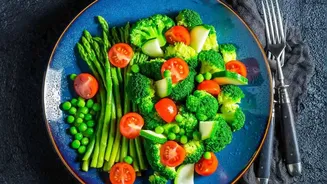
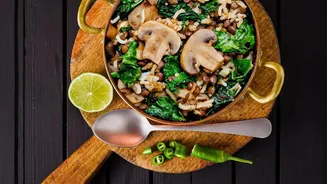
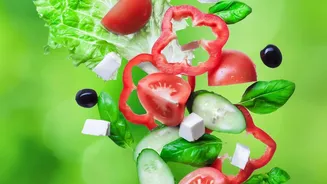
One of the quiet victories of the one-pan meal is how easy it makes healthy eating. Building a balanced meal is incredibly intuitive when you’re filling a single pan. It’s easy to visually assess your ratio of protein to vegetables and ensure you're getting a nutrient-dense dinner. Many recipes naturally encourage bulking up the dish with colourful vegetables. Furthermore, since you’re not boiling vegetables separately and draining the water, more of their inherent vitamins and minerals are retained within the final dish. This cooking style allows you to control the ingredients, fats, and sodium levels far more than you could with processed foods or takeout, contributing to better overall health.
Beating the 'What's for Dinner?' Fatigue
Beyond the physical act of cooking and cleaning, there’s the mental load of meal planning. Deciding what to make every single night can be exhausting. One-pan recipes simplify this decision-making process. The formula is often straightforward: pick a protein, a vegetable, a starch, and a seasoning. This structured yet flexible approach reduces the cognitive load associated with meal prep. Cooking itself can be a mindful, stress-reducing activity when it's not overly complex. The repetitive motions of chopping or stirring can be meditative. By removing the stress of juggling multiple cooking times and a mountain of dishes, one-pan dinners make the act of cooking more enjoyable and less of a chore, helping to restore a sense of calm at the end of a hectic day.
Versatility for Every Palate
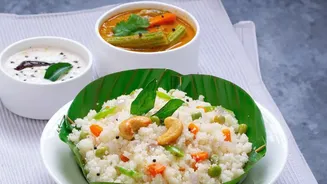
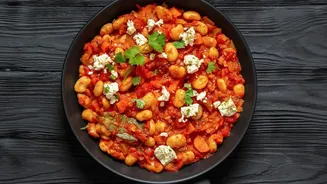
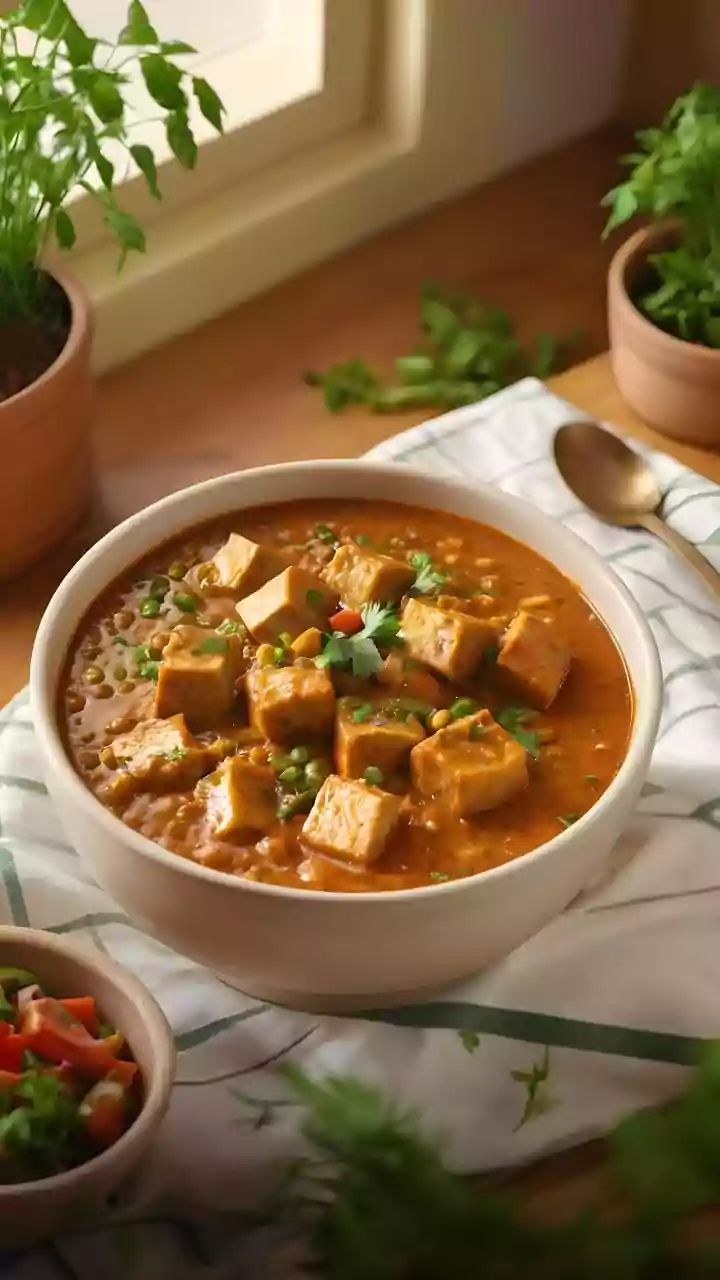
The one-pan trend isn’t just about a single type of cuisine; its adaptability is key to its popularity. From Indian-spiced sheet-pan chicken with cauliflower and potatoes to a Mediterranean-style baked fish with tomatoes and olives or a hearty Italian pasta skillet, the possibilities are vast. This method works for a wide range of dishes, including roasts, casseroles, curries, and stir-fries. This versatility ensures that you don't get stuck in a rut. You can easily adapt recipes based on what's in season, what's in your pantry, or dietary preferences. This flexibility makes it a sustainable strategy for weeknight cooking, not just a passing trend.