


The New Monsoon Migration
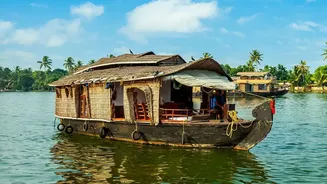
A curious pattern has taken hold in India's wellness travel landscape. As the monsoon clouds gather over Kerala, traditionally a slower tourist season, a specific demographic is arriving in significant numbers: young professionals. Millennials and older
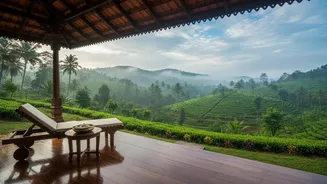
Gen Z, grappling with high-stress jobs and digital fatigue, are increasingly booking themselves into traditional Ayurvedic retreats. This isn't your typical beach holiday or mountain trek; it’s a deliberate journey inward, a proactive step to address the pervasive issue of burnout. Reports indicate a rising interest in wellness getaways, with a notable spike in bookings for Ayurvedic centres during the rains. This trend signals a shift from travel as mere escapism to travel as a form of therapy.
Why Monsoon? The Magic of Karkidakam
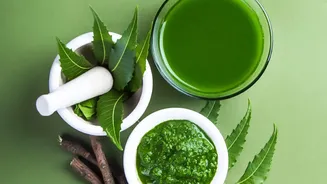
The timing is no accident. In Ayurveda, the monsoon period, particularly the month of Karkidakam (typically July-August), is considered the most potent time for healing and rejuvenation. According to ancient texts, the body is uniquely receptive during this season. The cool, humid air softens the skin and opens up pores and bodily channels, allowing therapeutic oils and herbal medicines to penetrate more deeply and effectively. The body's digestive fire, or 'Agni', is naturally weaker, making it an opportune time for a systemic reset through detoxification. This tradition, known as Karkidaka Chikitsa, has been practised in Kerala for centuries to boost immunity, cleanse the body of toxins (ama), and prepare for the year ahead.
An Ancient Cure for a Modern Ailment
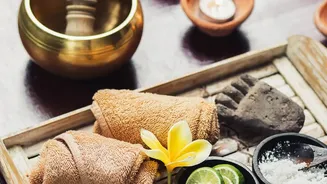
The appeal of Karkidaka Chikitsa for the millennial generation lies in its profound ability to counteract the symptoms of burnout. The relentless pressure of modern work culture, characterised by long hours and constant connectivity, has led to a well-documented mental and physical health crisis. Ayurvedic retreats offer a holistic antidote. They are not just providing massages, but a structured regimen for deep system restoration. Therapies are designed to calm the nervous system, which often treats ordinary life as a constant state of emergency. Treatments like Shirodhara, where warm oil is poured over the forehead, are specifically used to reduce stress, improve sleep, and promote mental clarity, directly targeting the core issues of an overstimulated mind.
More Than Just a Spa Trip
First-time visitors quickly learn that a traditional Ayurvedic retreat is far from a typical wellness spa. The experience is an immersive, disciplined lifestyle adjustment. Central to the healing process is Panchakarma, a comprehensive five-fold detoxification process that includes treatments like therapeutic purgation (Virechana) and medicated enemas (Basti). This is complemented by a strict, prescribed diet, often featuring dishes like Karkidaka Kanji, a medicinal rice porridge cooked with specific herbs to aid digestion and boost immunity. For many, the mandatory digital detox is one of the most challenging yet rewarding aspects, forcing a disconnect from the very devices that contribute to their stress and enabling a deeper connection with themselves and the serene, rain-soaked surroundings.
The Future of Wellness Travel
This growing trend represents a significant evolution in wellness tourism. It marks a departure from viewing Ayurveda as a treatment for the sick or elderly, repositioning it as a proactive tool for maintaining health and preventing chronic illness among a younger, health-conscious generation. These millennials aren't just 'rage booking' trips to escape a bad day at work; they are making a conscious investment in their long-term well-being. By embracing an ancient system of medicine to solve a contemporary problem, they are finding a sustainable way to navigate the pressures of modern life, proving that sometimes the best way to move forward is to embrace the wisdom of the past.