






Superior Rain Protection
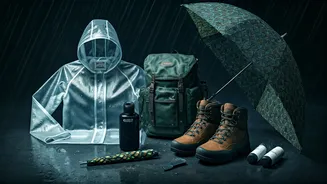
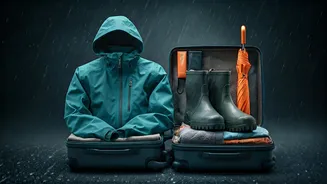
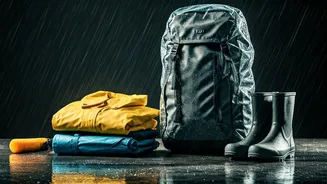
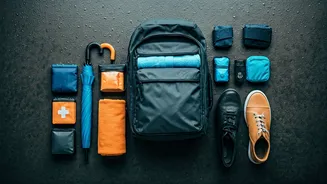
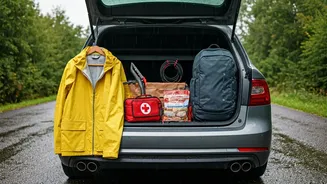
While a compact umbrella is useful for light showers, monsoon downpours demand more serious gear. [2, 6] Invest in a high-quality, lightweight, and properly waterproof jacket or poncho. [6, 10] A good raincoat will not only keep you dry but also act as
a windcheater on breezy, cool evenings. Look for one that is spacious enough to wear over your clothes and potentially a small backpack. Many travel-friendly options are foldable and won't take up much space in your luggage. [6, 10]
The Right Footwear
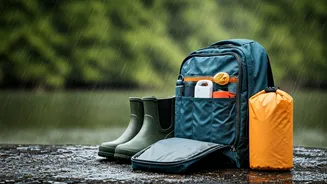
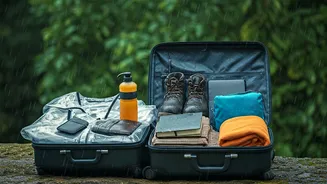
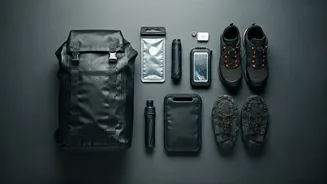
This might be the most crucial choice you make. Leather shoes will be ruined, and sneakers will get waterlogged and take days to dry. [16] Your best options are waterproof sandals, floaters, or rubber-based footwear with a good grip to navigate slippery and muddy paths. [3, 6] Avoid regular flip-flops as they can be slippery and offer little protection. For more adventurous trips involving trekking, invest in a pair of quick-dry hiking shoes with anti-skid soles to handle wet terrain safely. [4]
Quick-Dry Synthetic Clothing
During the monsoon's high humidity, cotton clothes can feel heavy, cling to your skin when wet, and take an eternity to dry, often developing a musty odour. [3] Instead, pack clothes made from synthetic or quick-dry fabrics like polyester and nylon. [6, 10, 12] These materials are lightweight, breathable, and will dry in a fraction of the time. [12] Choosing darker colours can also help conceal any accidental mud or splash stains. [4]
Waterproof Bags and Covers
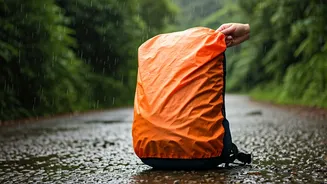
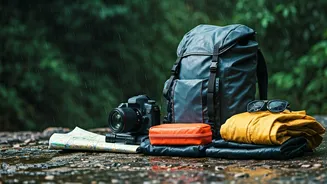
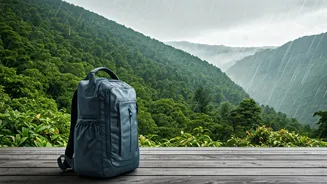
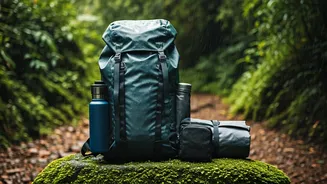
Protecting your belongings, especially electronics and important documents, is paramount. Use a waterproof backpack or, at the very least, a reliable rain cover for your bag. [4] For an extra layer of security, pack a few dry bags or even simple Ziploc pouches. [3, 15] These are perfect for safeguarding your phone, wallet, camera, and passport from any water damage, whether you're caught in a sudden storm or crossing a stream. [14]
A Monsoon-Specific Health Kit
The rainy season can increase the risk of certain health issues. Your first-aid kit should be tailored accordingly. Pack essentials like antiseptic wipes, waterproof plasters, pain relievers, and any personal medications. [10] It's also wise to include anti-diarrhoeal medicine and rehydration salts (ORS), as water contamination can be a concern. [3, 9] Fungal infections can also be common, so an anti-fungal powder or cream is a good addition. [9]
Potent Insect Repellent
Lush, wet environments are breeding grounds for mosquitoes and other insects. [7] Mosquito-borne diseases like dengue and malaria see a spike during this season, making a strong insect repellent an absolute must-have. [10, 16] Whether you prefer a spray, cream, or roll-on, ensure you apply it generously, especially during the evening and when you're near stagnant water. [6]
Power Bank and Flashlight
Heavy rains and winds can sometimes lead to power cuts, particularly in more remote areas or hill stations. [6, 15] A fully charged power bank is a lifesaver, ensuring your phone and other devices stay powered up for navigation and communication. [8] Similarly, a small, portable flashlight or a headlamp can be invaluable during an outage or if you find yourself navigating poorly lit areas after dusk. [2, 16]