



The Watering Dilemma: Too Much or Too Little
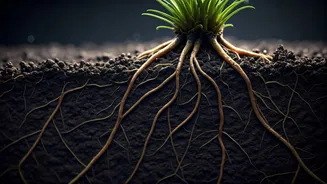
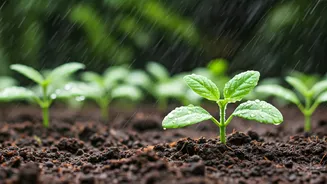
The most common mistake during the monsoon is improper watering. While daily rains might suggest you can stop watering completely, this isn't always true. Conversely, watering on a fixed schedule can lead to disaster. Overwatering is a major risk, suffocating
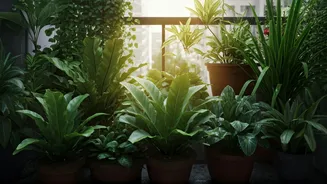
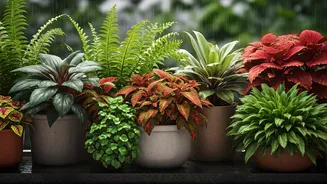
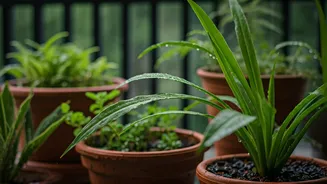
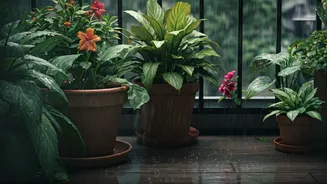
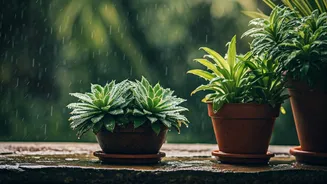
roots and leading to fungal diseases like root rot. The basic principle is to check the soil before you water. Insert your finger about an inch or two into the soil. If it feels damp, hold off. If it's dry, then it's time to water, preferably at the base of the plant to avoid wetting the leaves. For potted plants, ensuring clear drainage holes is non-negotiable to let excess water escape. Consider elevating pots on bricks or stands to further prevent waterlogging.
Pest and Disease: A Proactive Approach
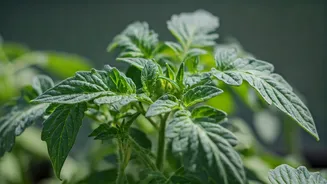
July’s warm and humid conditions are a breeding ground for pests like aphids, mealybugs, snails, and slugs, as well as fungal infections. Waiting until you see a full-blown infestation is a mistake. The basic approach is prevention and early detection. Regularly inspect your plants, paying close attention to the undersides of leaves where pests often hide. Ensure good air circulation by avoiding overcrowding and pruning excess foliage. Should pests appear, turn to organic solutions first. A simple spray made from neem oil diluted with water and a little soap is highly effective against many common garden pests and is safe for the environment. Removing dead leaves and garden debris also eliminates potential hiding spots for pests.
Feeding Your Plants: Nurturing, Not Drowning
Heavy monsoon rains can wash away essential nutrients from the soil, a process known as leaching. A frequent mistake is to either stop fertilising altogether or to apply heavy chemical fertilisers that get washed away too quickly. The basic strategy is to replenish nutrients organically and consistently. Use slow-release organic fertilisers like vermicompost or compost. Applying a layer of compost or vermicompost every few weeks provides a steady supply of nutrients that plants can absorb. Liquid organic fertilisers can also be beneficial as they are absorbed quickly by the plants. This consistent feeding strengthens plants, making them more resilient to pests and diseases.
Pruning and Support: Guiding Growth
With the burst of growth that monsoon brings, it's easy to let plants become overgrown and wild. Neglecting pruning is a mistake that can lead to poor air circulation, reduced flowering, and weak stems. The basic task for July is regular maintenance. Prune away any dead, damaged, or yellowing leaves and branches to encourage healthy new growth and improve airflow. For taller plants or vines like tomatoes and gourds, providing support with stakes or trellises is crucial. This keeps them from breaking in strong winds and prevents fruits and foliage from touching the wet ground, which can cause rot.
Choosing Your Battles: Right Plant, Right Time
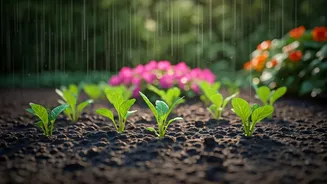
One of the biggest gardening mistakes is trying to grow plants that are not suited for the monsoon season. July is not the time for delicate plants that dislike humidity or waterlogged soil. The basic rule is to work with the season, not against it. This is the perfect time to plant a variety of monsoon-loving vegetables and flowers. Vegetables like okra, beans, cucumber, tomatoes, and various gourds (lauki, turai) thrive in these conditions. For flowers, consider monsoon favourites like marigolds, zinnias, balsam, and hibiscus, which add vibrant colour to the garden. Sticking to seasonal plants ensures a higher success rate and a more bountiful garden.