






The Tyranny of the Itinerary
We’ve all been there. Spreadsheets with colour-coded schedules, alarms set for 6 AM to beat the crowds, and a minute-by-minute plan to conquer a city in 72 hours. We treat our holidays like a project to be managed, a checklist to be completed. The goal
becomes efficiency—to see the most sights, eat at the most-hyped restaurants, and capture the most Instagrammable shots. But in this frantic race against the clock, we lose the very essence of what travel is supposed to be: a break. Instead of relaxing, we are performing. This pressure-cooker approach, born from a desire to ‘maximise’ our time and money, often leads to what experts call 'vacation burnout.' We return home needing a holiday from our holiday, with a camera full of photos but a spirit that feels just as depleted as before we left.
The Unexpected Joy of Spontaneity
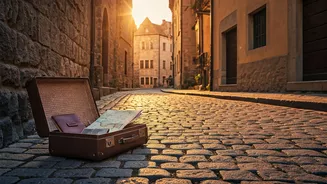
The antidote to the rigid itinerary is simple: breathing room. When we allow for unstructured time, we create space for magic to happen. It’s in these unplanned moments that the most memorable travel experiences are born. It’s the rainy afternoon spent lingering in a small café you stumbled upon by chance, the conversation with a shopkeeper that leads you to the best local thali you’ve ever had, or the decision to follow a winding lane just to see where it goes. Psychologically, spontaneity is rewarding. It breaks our routine-driven mindset and forces us to be present and engaged with our surroundings. Instead of mentally jumping to the next item on our checklist, we are fully immersed in the ‘now.’ This fosters a sense of discovery and adventure that a pre-planned schedule can rarely replicate. It shifts the focus from ‘doing’ to ‘being,’ which is the core of any truly restorative experience.
What 'Less Planning' Really Means
Let’s be clear: embracing spontaneity doesn't mean abandoning planning altogether. That would be chaotic and stressful in its own way. ‘Reset travel’ isn’t about showing up in a new country with no flight home and no place to stay. It’s about being strategic with your planning. The key is to plan the pillars of your trip and leave the rest flexible. Book your flights and your accommodation for the first night or two. Secure any absolute must-do tickets that sell out months in advance. But beyond that, resist the urge to schedule every single day. Instead of a rigid itinerary, create a loose list of possibilities—a few neighbourhoods you’d like to explore, a couple of museums that pique your interest, or a type of food you want to try. This approach gives you a gentle structure without shackling you to a strict timeline. It’s the difference between a cage and a trellis; one confines, the other supports and guides growth.
How to Actually 'Breathe' on a Trip
Putting this philosophy into practice requires a conscious shift in mindset. Start by scheduling ‘nothing’ into your day. Dedicate an entire afternoon to simply wandering without a map or a destination. Let your curiosity guide you. Sit on a park bench and people-watch. Instead of relying solely on top-ten lists for food, ask a local—your hotel receptionist, a taxi driver, or someone at the next table—where they love to eat. Be open to changing your plans. If you discover a charming village on the way to a major tourist spot, give yourself permission to stop and explore it. The big monument will still be there tomorrow. Most importantly, put your phone away for periods of time. True observation happens when you’re not looking at a screen, navigating with GPS, or trying to frame the perfect photo. Look up, listen to the sounds of the city, and take it all in.