



Choose the Right Outer Defence
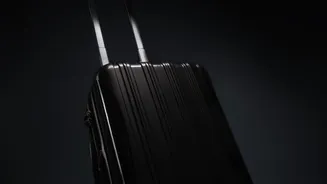
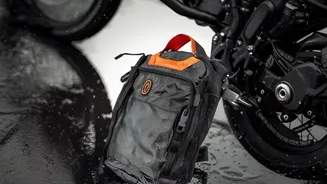
Your first line of defence is the bag itself. While your main suitcase or backpack offers some protection, it's rarely enough for a determined monsoon. Consider investing in a water-resistant or waterproof backpack. These are designed to repel water,
preventing it from soaking through to the contents. For even greater security, especially for valuable items like cameras and laptops, a dedicated hard-sided waterproof case offers the highest level of protection against both impact and water intrusion. Many options are available online in India, catering to various sizes and needs.
Embrace the Layering System
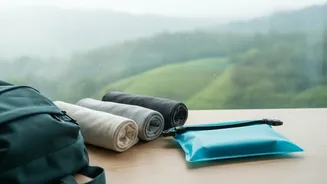
Think of protecting your electronics like dressing for the cold; layers are key. Simply tossing a laptop into a waterproof backpack isn't a complete strategy. The best approach is to give each electronic device its own individual protection before it even goes into the main bag. This means placing your phone, power bank, or camera in its own dedicated waterproof pouch or even a high-quality zip-seal food bag. This creates multiple barriers. If the outer bag fails or you get caught in a sudden shower while opening it, your gadgets remain individually shielded from moisture.
Master the Art of the Seal
The effectiveness of your protective layers depends entirely on the quality of the seal. For basic protection, double-bagging with zip-seal plastic bags can be effective. When sealing, push out as much air as possible to create a vacuum-like effect, which also helps in identifying any potential punctures. For more robust and reusable options, look for dedicated electronics dry bags or waterproof pouches. These often feature a roll-top closure system that, when folded and buckled, creates a watertight seal, making them ideal for activities where submersion is a risk. Always test a new pouch before trusting it with your valuables.
Combat Humidity from the Inside
Rain isn't the only enemy during the monsoon; pervasive humidity is a silent threat that can cause condensation and corrosion inside your devices. To fight this, use desiccants. The small silica gel packets you find in new shoe boxes or electronic packaging are perfect for this. They are designed to absorb moisture from the air. Place a few packets inside each sealed bag or case with your electronics. They will absorb ambient moisture, creating a dry microenvironment that protects sensitive circuits and prevents fungus or rust from forming. This is a simple, cheap, and highly effective step.
Develop a Smart Packing Strategy
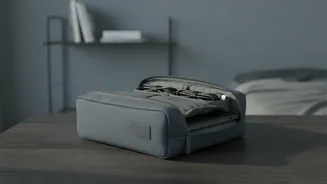
Where you place your electronics inside your luggage matters. Avoid placing them at the very top, bottom, or sides of your bag, as these areas are most vulnerable to impact and water ingress if the bag is placed on a wet surface. The safest spot is in the centre of your luggage, cushioned on all sides by soft items like clothes. This provides an additional buffer against both shocks from bumpy roads and any moisture that might penetrate the outer layers of your bag. Also, ensure all devices are fully powered down, not just in sleep mode, to reduce the risk of a short circuit if they do come into contact with water.
Prepare an Emergency Drying Kit
Despite all precautions, accidents can happen. Be prepared with a small emergency kit. This should include a microfiber cloth for gently wiping away surface water and a supply of fresh silica gel packs. If a device gets seriously wet, the most critical step is to turn it off immediately and remove the battery if possible. Resist the urge to turn it on to see if it still works, as this is when short circuits cause permanent damage. Once home, place the device in a sealed container with a generous amount of silica gel for at least 48 hours to draw out internal moisture. This is often more effective than the popular rice method.