



The Core Flours: Kuttu, Singhara, and Rajgira
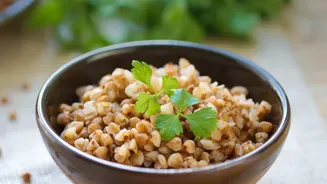
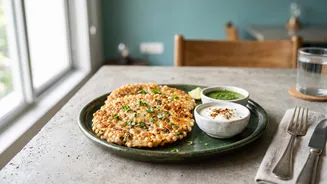
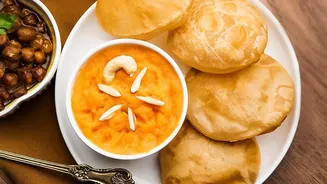
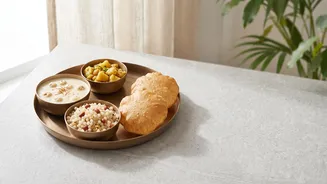
During Navratri, regular grains like wheat and rice are avoided. Instead, a trio of alternative flours forms the base of many meals. Kuttu ka atta (buckwheat flour) has a distinct, nutty taste and is used to make puris, parathas, and cheelas. Since it's
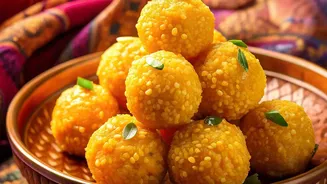
gluten-free, boiled and mashed potato is often added as a binding agent to make the dough more pliable. Singhare ka atta (water chestnut flour) is another popular choice, known for its cooling properties and used to prepare rotis and halwa. Rajgira ka atta (amaranth flour) is a protein-rich, gluten-free option perfect for making puris, laddoos, and even a fasting-friendly kadhi.
Sabudana: The Versatile Pearl
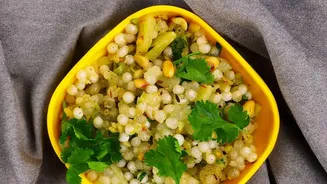
Sabudana, or tapioca pearls, are a Navratri superstar. Made from the starch of cassava roots, these pearls are a great source of carbohydrates that provide sustained energy during fasts. The key to a perfect, non-sticky sabudana dish is proper soaking—the pearls should be tender enough to be easily squished between your fingers. From the savoury and beloved Sabudana Khichdi, studded with potatoes and peanuts, to crispy Sabudana Vadas and creamy Sabudana Kheer, its versatility is unmatched.
Samak ke Chawal: The Fasting 'Rice'
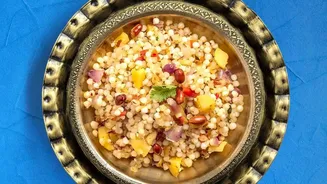
Despite its name, 'samak ke chawal' is not rice at all. It is barnyard millet, a tiny, round pseudo-cereal that is permitted during Navratri fasts. This gluten-free grain is light on the stomach, cooks quickly, and serves as an excellent substitute for rice. It is commonly used to prepare a simple pulao with potatoes and peanuts, a comforting khichdi, or even a creamy kheer for dessert. Rich in fibre and essential minerals like iron and magnesium, it provides nourishment and keeps you feeling full.
Sendha Namak: The Pure Salt
One of the most important rules of Navratri cooking is the replacement of regular table salt with sendha namak, or rock salt. This salt is considered 'sattvic' or pure because it is unprocessed and free from chemical additives. Mined from the Himalayan region, it is believed to be the purest form of salt. According to Ayurveda, it is easier to digest and has a cooling effect on the body. Rich in minerals like potassium and magnesium, it also helps maintain the body's electrolyte balance, which is crucial during fasting.
Vegetables, Fruits, and Dairy
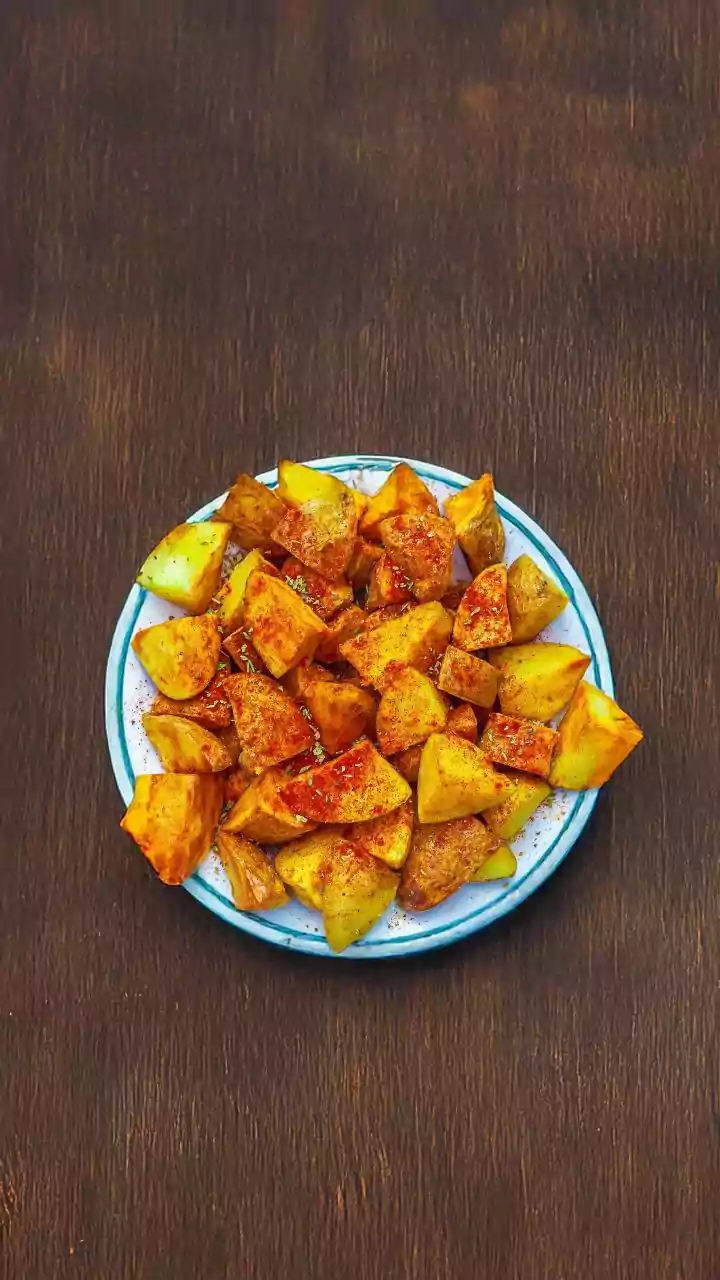
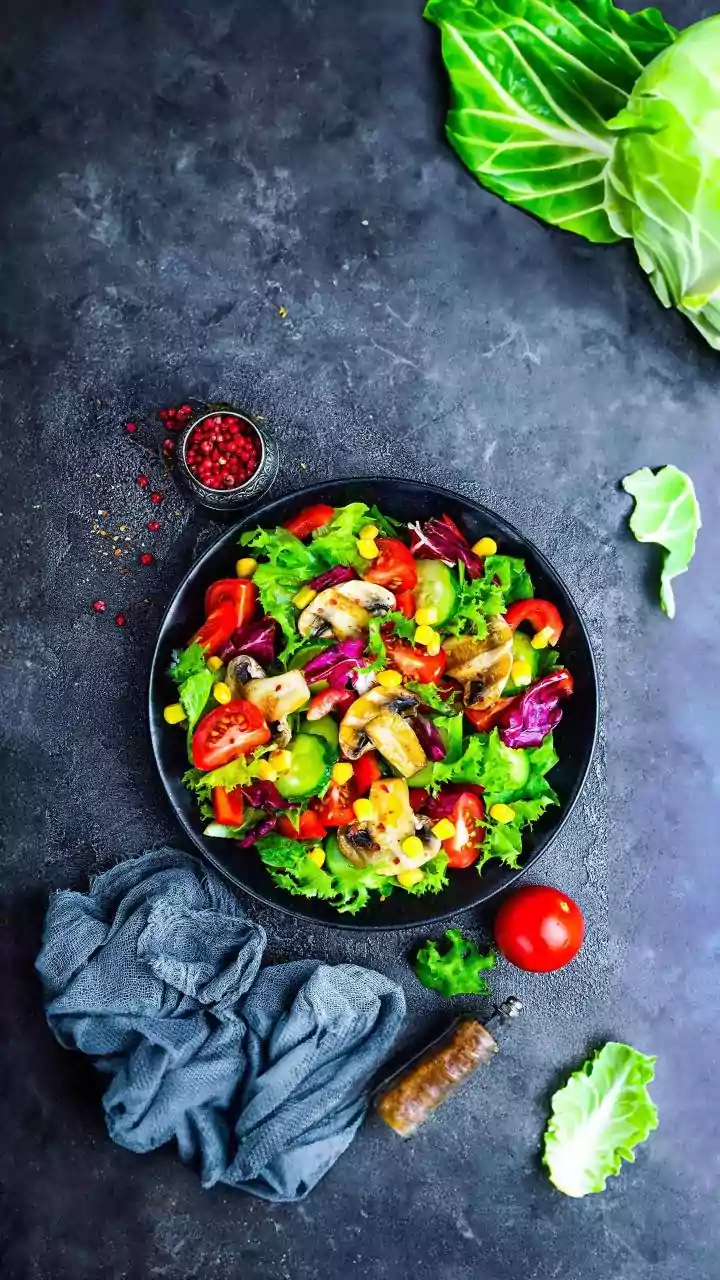
The list of permitted vegetables during Navratri is specific. Potatoes, sweet potatoes, pumpkin, bottle gourd (lauki), cucumber, and raw banana are widely used. All fruits are allowed and are essential for providing natural sugars, vitamins, and hydration. Dairy products like milk, yogurt (curd), paneer, and ghee are also integral to the fasting diet. They offer much-needed protein and calcium, and are used to make everything from cooling raitas and buttermilk to rich paneer curries and desserts.
Nuts and Other Energy Boosters
To maintain energy levels throughout the day, nuts and seeds are a go-to snack. Almonds, walnuts, cashews, and peanuts are frequently consumed, either roasted or added to dishes for texture and nutrition. Makhana (fox nuts) are another popular choice; they are typically roasted in a little ghee and seasoned with sendha namak and black pepper for a light yet filling snack. These ingredients provide healthy fats, protein, and vital nutrients, making them an indispensable part of the Navratri diet.