







The Shift Worker's Sleep Problem
Our bodies are designed to follow a 24-hour internal clock, known as the circadian rhythm, which is primarily regulated by the natural cycle of daylight and darkness. This rhythm tells us when to feel awake and when to feel sleepy. For shift workers,
this entire system is thrown out of sync. Working through the night and trying to sleep during the day creates a mismatch between your internal clock and the external world. This disruption is a major reason why shift workers often experience poorer quality sleep, fatigue, reduced focus, and other health issues over time. The challenge is to convince your body it's nighttime when the sun is shining and time to be alert when it's dark outside.
How Light Controls Your Sleep
Light is the most powerful signal controlling your circadian rhythm. When your eyes detect light, especially blue light, they send a message to your brain to suppress the production of melatonin. Melatonin is the hormone that makes you feel drowsy and prepares your body for sleep. In the evening, as natural light fades, melatonin levels rise, signaling that it's time to wind down. However, modern indoor lighting—from bright overhead LEDs to the screens of our phones and televisions—is often rich in blue light. This exposure in the hours before sleep can trick your brain into thinking it's still daytime, delaying melatonin release and making it much harder to fall and stay asleep.
The Simple Fix: Dim, Warm Light
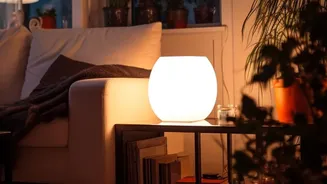
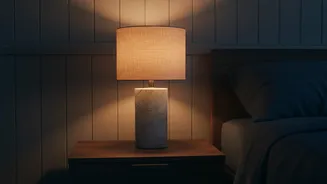
The solution lies in mimicking the natural transition from day to night within your own home. Just as the sun sets with a warm, reddish glow, you should transition your indoor lighting to be dimmer and warmer in the hours leading up to your desired bedtime. This means avoiding bright, cool-toned white and blue light. Research shows that red, orange, and yellow light have a minimal effect on melatonin suppression compared to their blue counterparts. By creating an environment of warm, low-intensity light, you allow your body's melatonin production to proceed naturally, helping you feel sleepy at the right time. This simple adjustment can significantly ease the transition into sleep, especially after a stimulating night shift.
Actionable Steps for Better Sleep
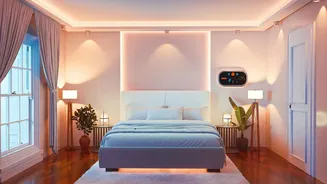
Putting this science into practice is straightforward. First, as you prepare to end your night shift and head home, consider wearing blue-light-blocking glasses. These can prevent morning sunlight from sending a powerful 'wake up' signal to your brain. Once home, focus on creating a dim, relaxing environment. Instead of bright overhead lights, use table lamps with warm-toned bulbs. Many companies now offer 'dim-to-warm' LED bulbs that mimic the colour of an incandescent bulb as they dim. Smart bulbs are another excellent option, allowing you to program your lights to automatically dim and shift to warmer colours in the hours you've designated for winding down. It is also crucial to avoid screens from phones, tablets, and TVs in the 1-2 hours before you plan to sleep, as they are a primary source of disruptive blue light.
Beyond Lighting: Creating a Sleep Sanctuary
While controlling your light exposure is a critical step, it works best as part of a comprehensive sleep strategy. Ensure your bedroom is a true sanctuary for rest: cool, quiet, and, most importantly, dark. Use blackout curtains or an eye mask to block out all daylight while you sleep. Maintain as consistent a sleep schedule as possible, even on your days off, to help stabilize your body clock. Finally, establish a relaxing pre-sleep routine that doesn't involve screens. This could include reading a physical book, gentle stretching, or listening to calming music. Combining these habits with a smart lighting strategy gives you the best chance at conquering the challenges of shift work and achieving the deep, restorative sleep your body needs.