



The Three-Layer Fortress: Clothing
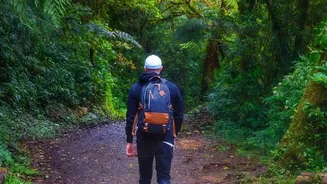
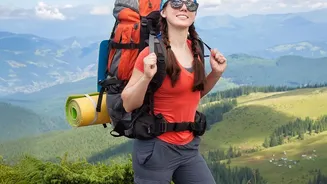
Your clothing is your first line of defence. During a monsoon trek, the goal is to stay warm and manage moisture. The key is layering and avoiding cotton at all costs, as it absorbs water and takes a very long time to dry. Your base layer should be a synthetic,
quick-dry T-shirt that wicks sweat away from your skin. For your mid-layer, pack a fleece jacket for warmth, as evenings can get surprisingly cold in the mountains. The most critical piece is your outer layer: a reliable waterproof rain jacket or a poncho. A poncho has the added benefit of covering you and your backpack, offering comprehensive protection from a downpour. For trousers, choose lightweight, quick-dry trekking pants; full-length ones offer better protection against scratches and leech bites.
Sole Survivors: Essential Footwear
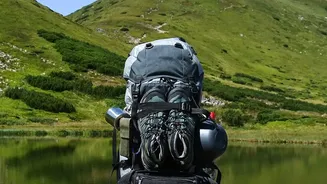
Your most important gear decision is your footwear. Monsoon trails, especially in regions like the Sahyadris, are notoriously slippery, with wet rock and mud. Standard sports shoes or sneakers are dangerous. You need trekking shoes with deep, aggressive lugs for superior grip and good ankle support to prevent twists on uneven terrain. While waterproof shoes sound ideal, many experienced trekkers argue that once water gets in over the collar, a waterproof membrane traps it inside. An alternative strategy is to use water-resistant, breathable shoes that drain well, paired with waterproof socks to keep your feet dry. Also, pack waterproof gaiters, which cover the gap between your pants and shoes, preventing water, mud, and leeches from getting in.
The Dry Zone: Backpack & Protection
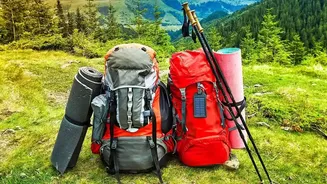
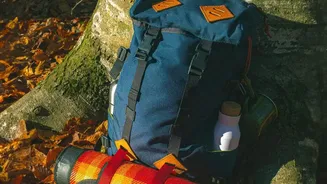
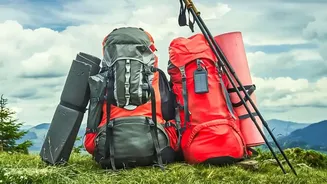
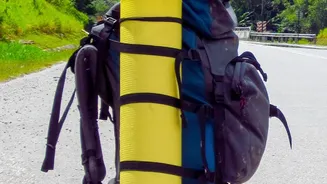
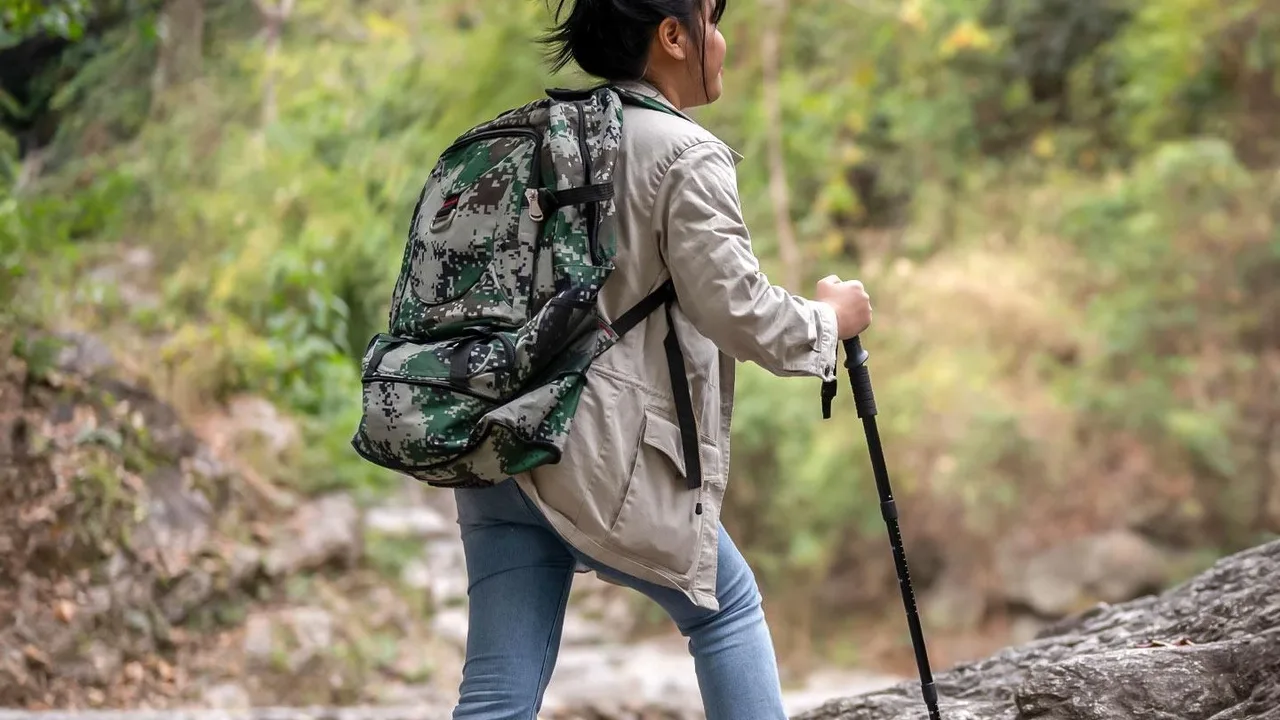
Even a water-resistant backpack will not survive hours of continuous rain. Protecting your gear requires a multi-layered approach. Start with a 20-40 litre backpack, a suitable size for a weekend trek. The first layer of defence is a waterproof rain cover fitted over the outside of your pack. However, don't rely on this alone. The second, and arguably more important, layer of protection is inside your bag. Use dry bags or sealed plastic bags to compartmentalise and protect your most critical items: a spare set of dry clothes, electronics, and any important documents. This internal waterproofing ensures that even if you slip or your outer cover fails, your essentials remain completely dry.
Safety & Stability: Essential Accessories
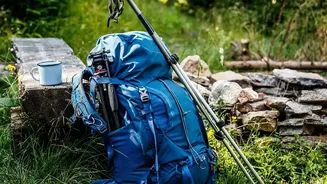
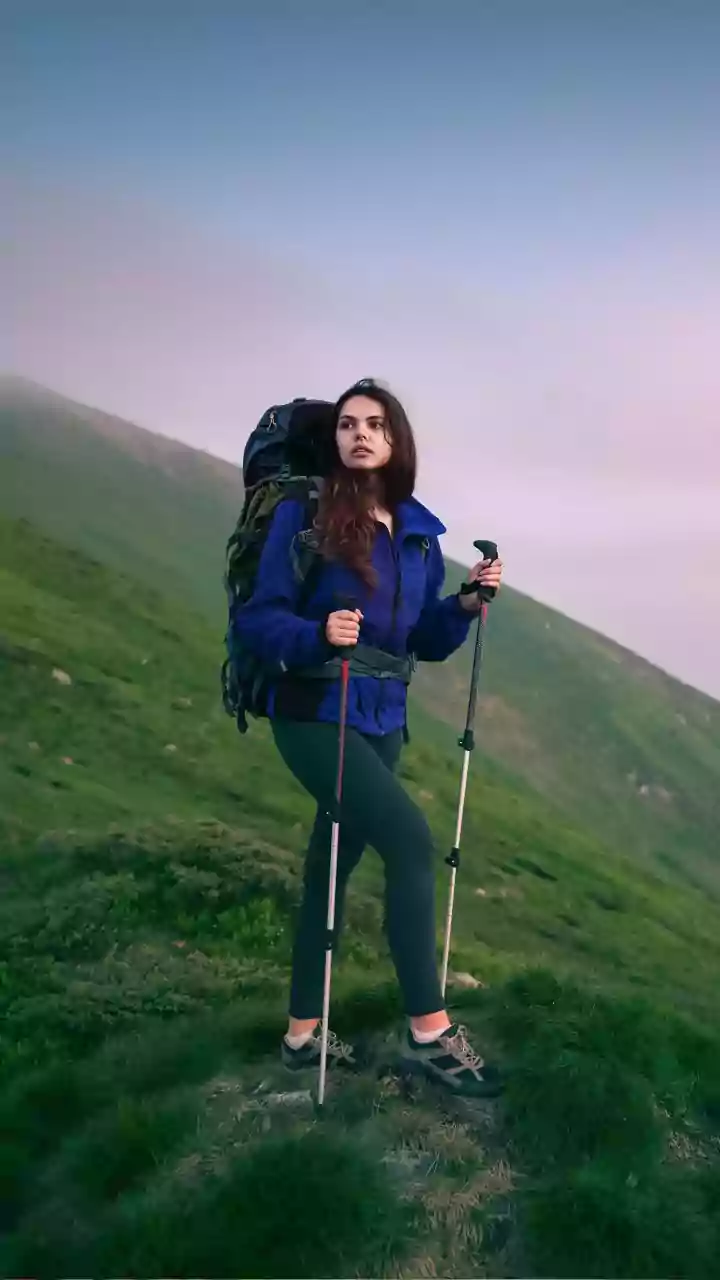
A few key accessories can make a huge difference in safety and comfort. Trekking poles are considered essential on monsoon trails. They provide two extra points of contact with the ground, dramatically improving your stability on slippery descents and helping you probe the depth of muddy patches. A headlamp is another non-negotiable item. Monsoon cloud cover can darken the trail unexpectedly in the late afternoon, and a headlamp is crucial for navigating safely if your trek extends past dusk. Always carry extra batteries. Lastly, a basic first-aid kit containing antiseptic wipes, bandages, pain relievers, and any personal medications is a must.
Creature Comforts: The Little Things
Beyond the absolute essentials, a few small items can greatly enhance your monsoon trekking experience. Given the high humidity and dense foliage, insect repellent is a must to ward off mosquitoes and other insects. In leech-prone areas like the Western Ghats, some trekkers use anti-leech socks as an added precaution. Pack a couple of extra pairs of synthetic or wool socks; changing into a dry pair at the end of the day is crucial for preventing blisters. A quick-dry towel is far more practical than a standard cotton one. And don't forget high-energy snacks like nuts, energy bars, and dates to keep your fuel levels up on the trail.