





The Golden Rule: Last On, First Off
The most crucial habit for preserving your artificial jewellery has nothing to do with cleaning and everything to do with how you wear it. Always follow the 'last on, first off' rule. This means putting your jewellery on only after you have applied all
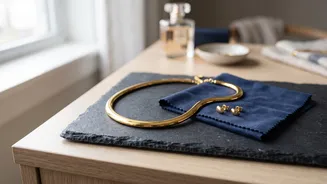
your makeup, perfume, hairspray, and lotions. These products contain chemicals and oils that can erode the delicate plating and cause discolouration over time. At the end of the day, take your jewellery off first, before changing clothes or washing your face. A quick wipe with a soft, dry cloth after each wear to remove skin oils and sweat can also dramatically extend its life.
Your Gentle Cleaning Toolkit
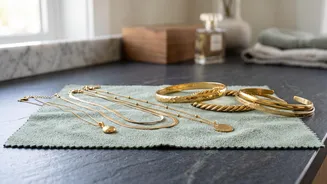
You do not need expensive cleaners. The best tools for cleaning artificial and gold-plated jewellery are likely already in your home. Gather these simple items: a few drops of mild liquid soap (like a gentle dish soap or baby shampoo without harsh detergents), a bowl of lukewarm water, a soft, lint-free cloth (microfibre is ideal), and a soft-bristled toothbrush for detailed areas. It is equally important to know what not to use. Avoid harsh chemicals like bleach, ammonia, and alcohol. Steer clear of abrasive materials like toothpaste, baking soda, and rough brushes, as these can scratch and strip the thin plated layer.
A Simple Step-by-Step Cleaning Method
For most gold-plated and fashion jewellery, a simple soap and water solution is the safest and most effective method. First, mix a few drops of mild soap into a bowl of lukewarm water. Dip your soft cloth into the solution, wring it out so it's damp but not soaking, and gently wipe the surface of the jewellery. For chains or intricate designs, you can dip the piece for a few seconds, but never soak it for an extended period, as moisture can weaken adhesives and damage the plating. Use a soft toothbrush to gently get into crevices. Rinse the piece quickly under clean water, then immediately pat it completely dry with a lint-free cloth. Ensuring it is totally dry before storing is critical to prevent tarnish.
Special Care for Studded and Kundan Pieces
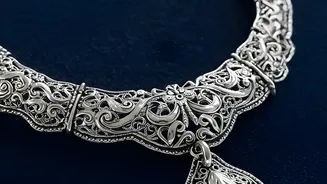
Jewellery featuring glued-in stones, faux pearls, kundan, or polki requires an almost entirely dry cleaning method. Water can seep behind the stones, dissolving the adhesive or damaging the delicate foil backing that gives kundan and polki their signature shine. For these pieces, your primary tool should be a soft, dry cloth or a dry, soft-bristled makeup brush to dust away grime from crevices. If you encounter a stubborn spot on the metal, use a cotton swab that is only barely damp with a mild soap solution, taking care to avoid the stones and their settings completely. Wipe the area with a dry cloth immediately.
What You Must Absolutely Avoid
Knowing what to avoid is just as important as knowing what to do. Never wear your artificial jewellery while swimming, showering, exercising, or cleaning. Moisture and sweat are primary culprits in causing tarnish and corrosion. Do not use ultrasonic cleaners, as the vibrations can dislodge glued stones. Harsh polishing cloths designed for sterling silver can also be too abrasive. Some online tips suggest using lemon juice or vinegar, but these acids can be too strong for delicate plating and may cause irreversible damage. When in doubt, always start with the gentlest method first: a simple wipe with a dry cloth.
Smart Storage to Prevent Damage
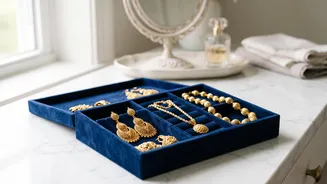
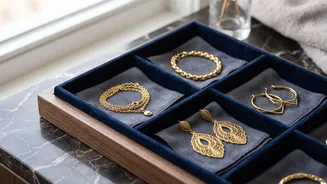
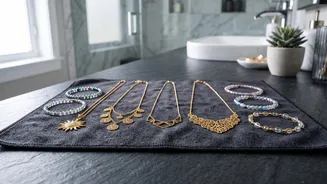
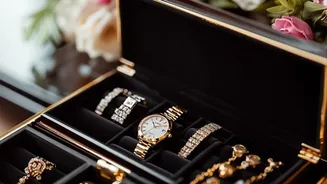
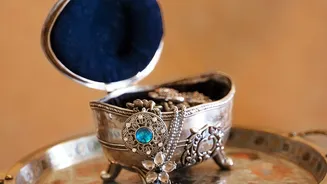
How you store your jewellery is a form of proactive care. Air and moisture are the enemies of fashion jewellery, accelerating oxidation and tarnishing. The best practice is to store each piece individually in an airtight container, like a small zip-lock bag or a soft pouch. This prevents items from scratching each other and limits their exposure to the elements. Keeping your jewellery box in a cool, dry place away from direct sunlight and humidity (like a bathroom) will also help maintain its lustre for years to come.