

Know Before You Go: Terrain and Weather
Malta's charm comes with a physical challenge: the island is hilly. While it has no true mountains, the terrain consists of rolling hills and steady inclines, especially inland. The highest point, the Dingli Cliffs, is only about 250 metres above sea
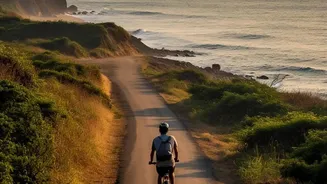
level, but many routes feature short, steep climbs that require a good level of fitness. Weather is another major factor. The Mediterranean sun can be intense, particularly from mid-June to September, making early morning or evening rides the most pleasant option. Coastal routes are also often exposed to strong winds, which can add a significant challenge to your journey. Spring and autumn are often considered the best seasons for cycling, offering mild temperatures and lush, green landscapes.
For Beginners: The Valletta Harbour Loop
If you're looking for a gentle introduction to Maltese cycling, the Valletta Harbour Loop is an ideal choice. This easy 13-kilometer route offers an urban experience with stunning coastal views and, crucially, 'zero hills worth mentioning'. Starting from the capital's historic waterfront, the path takes you towards the bustling town of Sliema, blending architectural grandeur with coastal charm. It’s a route suitable for all ages and fitness levels, providing a fantastic, low-effort way to see the iconic Grand Harbour and the surrounding fortified cities from a unique perspective. It's a perfect warm-up ride that combines sightseeing with leisurely exercise without the strain of significant climbs.
Intermediate Challenge: Mdina to Dingli Cliffs
For those with a bit more stamina, the 10-kilometer route from the silent medieval city of Mdina to the majestic Dingli Cliffs offers a journey through history and nature. This trail meanders through old villages and quiet rural landscapes, starting in the fairy-tale setting of Mdina's ancient walls. The payoff for your pedalling is the breathtaking panoramic view from the highest point in Malta. While the route involves some elevation gain, it is considered a moderate ride. From the cliffs, you can see the vast expanse of the Mediterranean and the small, uninhabited island of Filfla. This ride beautifully combines a moderate physical challenge with some of the most spectacular scenery the main island to offer.
The Southern Coast: Blue Grotto and Marsaxlokk
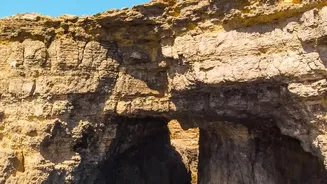
Exploring the southern coast of Malta provides a mix of natural wonders and cultural touchstones. A popular moderate route runs for about 15 kilometers between the area of the Blue Grotto and the fishing village of Marsaxlokk. This ride takes you along coastal roads with views of sea caves and stone temples older than the pyramids, like Ħaġar Qim. The terrain is moderately hilly but rewards cyclists with access to some of Malta's most famous natural attractions. The journey often culminates in Marsaxlokk Bay, famous for its vibrant market and colourful traditional 'luzzu' boats, offering a perfect spot to rest and enjoy a fresh seafood lunch by the water.
Gozo's Coastal Loop: Quieter and More Rustic
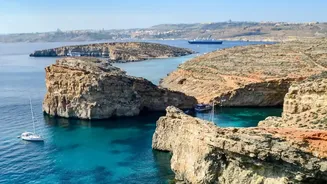
For a truly immersive coastal experience, many cyclists head to Malta's sister island, Gozo. Often recommended for its quieter roads and more relaxed environment, Gozo is a cyclist's paradise. The Gozo Coastal Loop is a classic, full-day ride of about 45 kilometers that circumnavigates the island. It’s a challenging route with hilly sections and is best suited for cyclists with good fitness. The loop rewards you with diverse and dramatic scenery, from the mystical Xwejni Salt Pans on the north coast to the towering Ta' Ċenċ cliffs in the south. Along the way, you'll pass through quiet villages, hidden coves, and major landmarks like the Ta' Pinu Basilica, making it an epic and rewarding adventure.