



Discover the Kingdom of Fungi
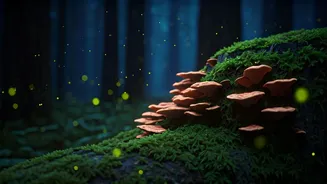
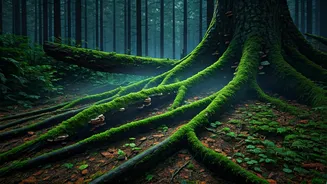
After the rains, our forests and even local parks transform into a magical kingdom of fungi. Most of us walk right past it, but this is a universe of strange beauty. Look down at decaying logs, damp soil, and the base of old trees. You’ll find more than
just the classic toadstool. Look for delicate, cup-shaped fungi, vibrant orange shelf-like growths clinging to bark, and perhaps even the bizarre, cage-like lattice stinkhorn. The sheer variety of shapes, colours, and textures is astonishing. While the Western Ghats and Himalayan foothills are hotspots, you can find fascinating species anywhere with a bit of moisture and organic matter. A small magnifying glass can turn a simple walk into a mycological safari. Remember the golden rule: look, admire, photograph, but never touch or eat wild mushrooms unless you are with a certified expert.
Chase the Ethereal Glow
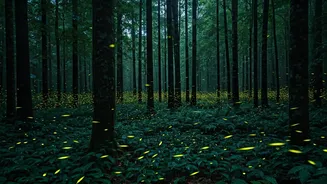
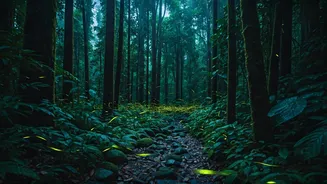
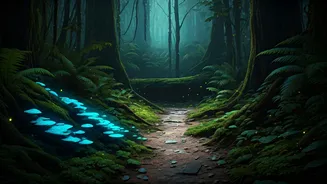
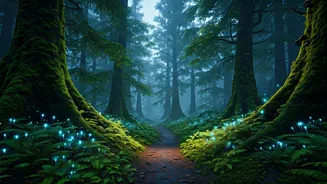
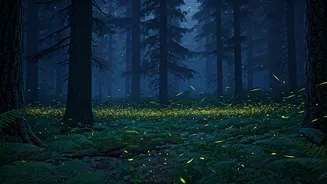
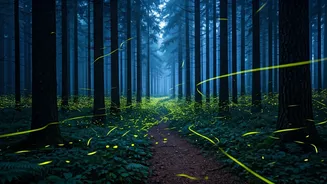
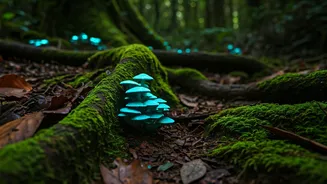
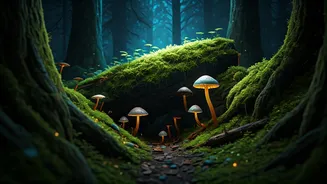
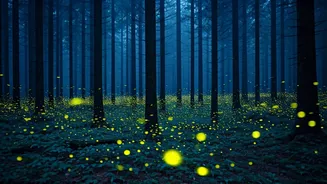
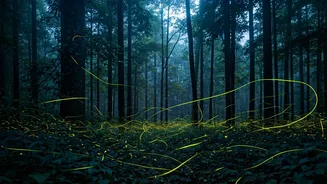
Imagine walking through a forest that glows in the dark. This isn’t fantasy; it’s the phenomenon of bioluminescence, and India has its own glowing landscapes. During and after the monsoon, certain species of fungi, like Mycena, emit a soft, greenish light. This “foxfire” can be found in the damp forests of the Western Ghats in Maharashtra and Goa. The key is to venture out on a moonless night, let your eyes adjust, and look for a faint, otherworldly glow on rotting wood and leaves. Beyond the forests, our coastlines also offer a spectacle. Bioluminescent phytoplankton can cause the ocean waves to sparkle with blue light, a phenomenon often seen along the coasts of Karnataka, Goa, and the Andaman Islands. It’s a fleeting, magical event that reminds us of the unseen energy teeming in our world.
Become a Backyard Entomologist
Many of us see insects as pests to be shooed away, but they represent one of the most diverse and fascinating groups of animals on the planet. This season, challenge yourself to look closer. A single flowering bush in your garden or a local park is a bustling metropolis. You’ll find iridescent beetles with metallic sheens, praying mantises in perfect camouflage, and caterpillars that look like tiny, works of art. Notice the intricate patterns on a butterfly's wing or the complex engineering of a spider's web, especially when jewelled with morning dew. You don’t need special equipment, just patience. Pay attention to the pollinators visiting flowers or the dramas unfolding on a single leaf. This micro-safari costs nothing and reveals a world of complex behaviours, from courtship rituals to territorial disputes, happening right under our noses.
Listen to the Nocturnal Chorus
We experience nature primarily through sight, but so much of its story is told through sound, especially after dark. As dusk falls, a different cast of characters takes the stage. Instead of looking, just listen. The air fills with the chirps, clicks, and croaks of crickets, frogs, and geckos. This isn't just noise; it's a complex symphony of communication. Each species has a distinct call. Try to distinguish the different tones—the deep baritone of a bullfrog, the high-pitched trill of a cicada. In wooded areas, you might hear the hoot of an owl or the call of a nightjar. This practice of deep listening, or sound mapping, connects you to your environment in a profound way. It’s a form of meditation that reveals the incredible density of life that is most active while we are usually asleep.
Appreciate the Power of Wildflowers
We often call them “weeds,” but the small, resilient plants that spring up in sidewalk cracks, empty lots, and along roadsides are a testament to nature’s persistence. These are often native wildflowers, and they play a crucial role in the urban ecosystem. They provide vital nectar for bees and butterflies and stabilise the soil. This season, take a moment to notice them. You might find the vibrant yellow of the Triumfetta, the delicate purple of a wild morning glory, or the tiny, star-like flowers of a common weed. Learning to identify just a few of these plants can change your perspective on what constitutes “nature.” It’s a reminder that wilderness isn’t just something you have to travel to; it’s a force that is constantly trying to reclaim and beautify the spaces we live in, one tiny blossom at a time.