


How Self-Watering Pots Really Work
A self-watering pot isn’t powered by magic, but by physics. At its core is a two-part system: a main growing area for the plant and a water reservoir below. The two are connected by a wicking mechanism, which can be a porous material like a fabric strip
or simply soil extending down into the water. Through a process called capillary action, water is drawn up from the reservoir into the soil as the plant needs it, keeping the root zone consistently moist but not saturated. This method is designed to prevent the feast-or-famine cycle of traditional watering, where soil goes from soaked to bone-dry. Many high-quality pots also include an overflow hole, which is crucial for preventing the reservoir from being overfilled and flooding the soil, a key step in avoiding root suffocation.
Choose Your Plants Wisely
The single biggest mistake gardeners make is assuming any plant will thrive in a self-watering system. These pots are ideal for plants that prefer consistently moist soil. Think of tropicals that love humidity and steady hydration. Plants like Peace Lilies, Boston Ferns, Calatheas, and even Fiddle Leaf Figs do exceptionally well because they dislike drying out completely. Many common herbs such as basil, mint, and parsley also benefit from the constant access to water. Conversely, plants that are adapted to dry conditions are poor candidates for these pots. Succulents, cacti, Snake Plants, and ZZ Plants need their soil to dry out thoroughly between waterings to prevent root rot. Forcing these drought-tolerant species into a constantly moist environment is a recipe for disaster, as their roots are not equipped to handle perpetual dampness.
The Secret Is in the Soil
The performance of a self-watering pot is almost entirely dependent on the soil you use. Heavy, dense garden soil or standard topsoil will become a dense, waterlogged brick, preventing water from wicking upwards and suffocating the roots by eliminating air pockets. The key is to use a lightweight, porous potting mix specifically designed for containers. These mixes are typically based on peat moss or coco coir, which are excellent at retaining moisture. To ensure proper aeration and wicking, it's vital to amend this mix with ingredients like perlite or pumice. A good rule of thumb is a mixture containing at least 25-30% perlite. This creates a soil structure that is airy enough to allow oxygen to reach the roots while being absorbent enough to effectively draw water up from the reservoir. Pre-moistening the soil before you plant is also a critical step to ensure the capillary action starts working immediately.
Drainage and Airflow Are Still King
The most common myth about self-watering pots is that they cause root rot. In reality, a lack of oxygen causes root rot, not water itself. This happens when the soil becomes so saturated that all air pockets are filled with water. While a self-watering pot's reservoir is separate, problems can arise if the system is misused. Overfilling the reservoir past the overflow line can saturate the entire soil column, creating the anaerobic conditions that kill roots. Furthermore, it is a good practice to periodically let the reservoir run completely dry for a few days. This 'dry phase' helps pull fresh air down into the root zone and prevents the system from becoming stagnant. Some gardeners even modify their pots by drilling extra holes to ensure a larger air gap between the water level and the soil base, further guaranteeing roots stay healthy and aerated.
Best Practices for Thriving Plants
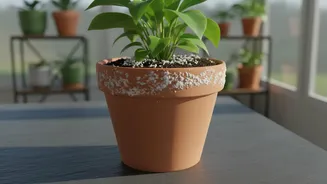
To truly succeed with self-watering planters, think of them as a tool, not a hands-off solution. When you first pot a plant, water from the top for the first week or two. This helps establish a strong connection between the soil and the wicking system, encouraging roots to grow downward. Every few months, it's wise to flush the entire pot with water from the top until it runs out of the overflow hole. This simple action helps wash away mineral salts that can accumulate on the soil surface over time from the wicking process. Finally, always observe your plant, not just the water gauge. The plant's leaves, posture, and growth will tell you more about its health than any indicator ever could. Pay attention to its needs, and your self-watering pot will become a valuable ally in your quest for a thriving indoor garden.