

The Great Urban Exodus
For many living in the bustling hubs of Hyderabad, Bengaluru, and Visakhapatnam, the daily grind of traffic, deadlines, and digital notifications has created a deep-seated need to disconnect. This isn't just about a simple vacation; it's a search for
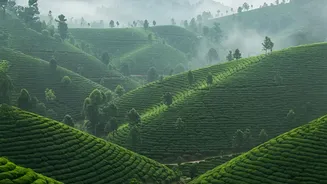
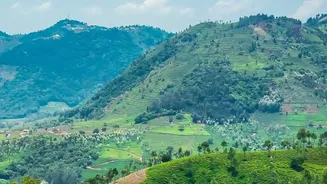
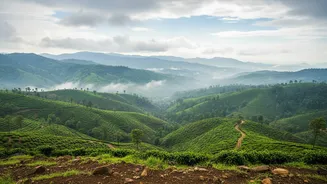
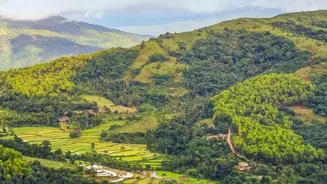
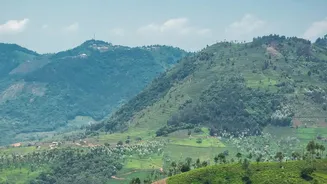
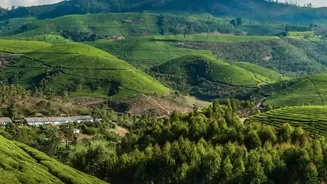
a hard reset. The trend of 'urban detoxing' has found a perfect sanctuary in the misty, rolling hills of Araku Valley in the Eastern Ghats. Recent years have seen a noticeable shift, with travellers increasingly seeking quiet retreats over packed tourist itineraries. They are not just looking for a change of scenery, but a change of pace—a chance to trade the relentless demands of city life for the simple, unhurried rhythm of nature.
Monsoon's Mystical Makeover
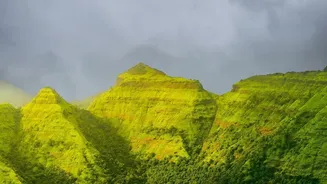
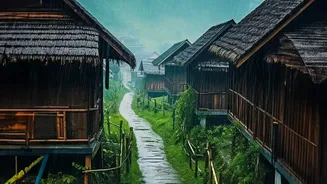
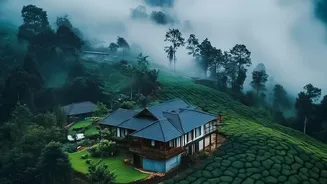
While most hill stations see a lull during the monsoon, Araku Valley comes alive. The rainy season, from June to September, transforms the landscape into a vibrant green paradise. Waterfalls like Katiki and Chaparai, which are modest streams in other seasons, become powerful, thundering cascades. The entire valley is draped in a layer of mist, creating a mystical, almost ethereal atmosphere that photographers and nature lovers find irresistible. The rain washes the dust from the air, leaving behind crisp, fresh mountain breezes and intensifying the lushness of the forests. For those willing to embrace the rain, the valley offers a spectacle of nature at its most dramatic and beautiful.
Life on a Coffee Plantation
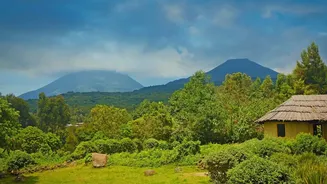
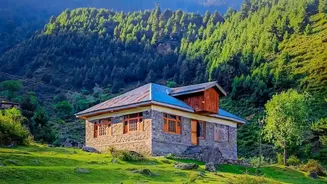
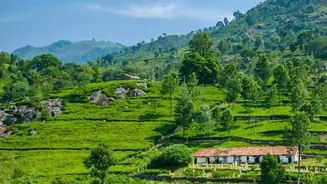
The heart of the Araku experience lies in its unique homestays, many of which are situated within sprawling coffee plantations. Unlike commercial hotels, these stays offer an immersive experience. Guests wake up to the sound of birdsong and the aroma of coffee, with views of verdant hills from their windows. Days are spent on guided walks through the plantations, where the coffee bushes grow under the shade of jackfruit and silver oak trees. These plantations are often managed by local tribal cooperatives, preserving a unique heritage. The experience is deeply rooted in the local culture, from learning about organic coffee cultivation to savouring traditional delicacies like the famed 'bamboo chicken', cooked over coals in a bamboo stalk.
The Digital Detox by Default
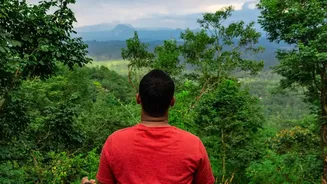
A key part of Araku's appeal for urban detoxers is its limited connectivity. Spotty mobile networks and non-existent Wi-Fi in many homestays are not seen as a drawback but as a feature. It forces visitors to unplug from the digital world and engage with their immediate surroundings. Instead of scrolling through feeds, evenings are spent watching the mist roll in, reading a book, or engaging in quiet conversation. This forced disconnection helps recalibrate a mind overstimulated by constant information. This shift from hyper-connectivity to mindful presence is becoming a new form of luxury for many, a chance to truly be 'unreachable' and find a sense of inner calm.
More Than Just a Getaway
The journey to Araku is as much a part of the experience as the destination itself. The train ride from Visakhapatnam is legendary, winding its way through 58 tunnels and over 84 bridges, offering breathtaking views of the valley. Beyond the coffee, the valley offers attractions like the ancient Borra Caves, with their million-year-old stalactite and stalagmite formations, and the Araku Tribal Museum, which showcases the rich heritage of the region's indigenous communities. Weekly markets, or 'shandies', offer a vibrant glimpse into local life, with tribal women selling fresh, organic produce. These elements combine to create a trip that is restorative for the mind and enriching for the soul.