




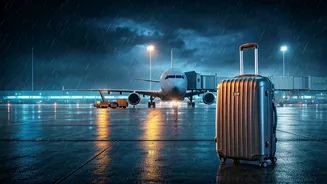




Why Flexibility Is the New Travel Essential
The Indian monsoon, typically spanning from June to September, transforms the subcontinent into a vibrant, green paradise. It's a season that attracts travellers seeking unique experiences, from the rain-drenched Western Ghats to the romantic, lake-filled
city of Udaipur. However, this beauty comes with inherent unpredictability. Heavy rains can lead to flight delays, waterlogged roads, and last-minute changes of plan. In the past, this uncertainty made booking monsoon trips a gamble. Today, however, a major shift is underway. Airlines and hotels are increasingly offering flexible booking options, recognizing that adaptability is key to attracting domestic tourists who are embracing shorter, more frequent trips like 'drivecations' and 'workations'. This trend empowers travellers to book with confidence, knowing they have a safety net if the weather or their plans change.
Decoding 'Flexible Booking' Policies
The term 'flexible booking' isn't just a marketing buzzword; it refers to specific policies designed to give you more control. For hotels, this often means free cancellation up to 24 or 48 hours before check-in and the ability to change dates without hefty penalties. For airlines, flexibility comes in the form of 'Flexi Fares'. While these tickets might cost slightly more than the most basic fare, they often allow you to change your travel dates for a lower fee or sometimes for free. Some airlines have also unbundled fares, allowing passengers to pay less if they travel without check-in baggage, offering another layer of choice. The key benefit is avoiding the financial sting of a cancelled trip by converting your booking into a credit for future travel or, in some cases, getting a full refund.
Airlines and Hotels on Board
Across India, the travel sector is leaning into the monsoon season. Online travel agencies like MakeMyTrip and Goibibo are known to roll out monsoon-specific sales, offering significant discounts on flights and hotels. Hotel chains such as Royal Orchid are promoting 'Monsoon Getaways' with built-in discounts and flexible stay windows until mid-September 2026. Airlines are also participating. IndiGo, for instance, offers 'Flexi Fare Plus' options that bundle benefits like a complimentary seat and meal with lower change fees. Air India provides similar tiered 'Smart Fares', where 'Flex' options come with lower rescheduling and cancellation fees compared to standard fares. These offerings acknowledge a clear trend: the gap between peak and lean travel seasons is shrinking as domestic travellers become more willing to explore destinations like Goa and various wildlife sanctuaries even during the rains, drawn by lower rates and fewer crowds.
How to Make Flexibility Work for You
To truly benefit from these policies, a smart approach is essential. First, always read the fine print. A 'flexible' booking might offer a travel credit rather than a cash refund, so understand what you're entitled to before you book. Paying a little extra for a flexible airline fare can be a wise investment, acting as insurance against weather disruptions. Secondly, consider booking flights and hotels separately. While package deals can be convenient, separate bookings often provide greater flexibility to change one part of your trip without affecting the other. Finally, keep an eye on weather forecasts from reliable sources like the IMD. A below-normal monsoon was forecast for 2026, which can mean fewer travel washouts, but it's still crucial to be prepared. Travel insurance that covers weather-related disruptions is another smart, low-cost addition to your monsoon travel plan.