






A Galaxy of Startups
The Indian space dream is no longer orbiting solely around the Indian Space Research Organisation (ISRO). A quiet revolution, accelerated by government policy changes in 2020, has opened the cosmos to private enterprise. The result is a booming ecosystem
of over 400 space-tech startups. The government projects India's space economy will surge from around $8-9 billion today to as much as $45 billion by the end of the decade. This growth is fuelled by the Indian National Space Promotion and Authorisation Centre (IN-SPACe), a single-window agency created to support and regulate private players. It has facilitated technology transfers from ISRO and streamlined authorisations, enabling a new generation of companies to build everything from rockets to satellite constellations. This policy shift has transformed a government-led programme into a vibrant commercial marketplace, attracting significant private investment and creating a fresh landscape for employment.
Upstream: Building the Hardware
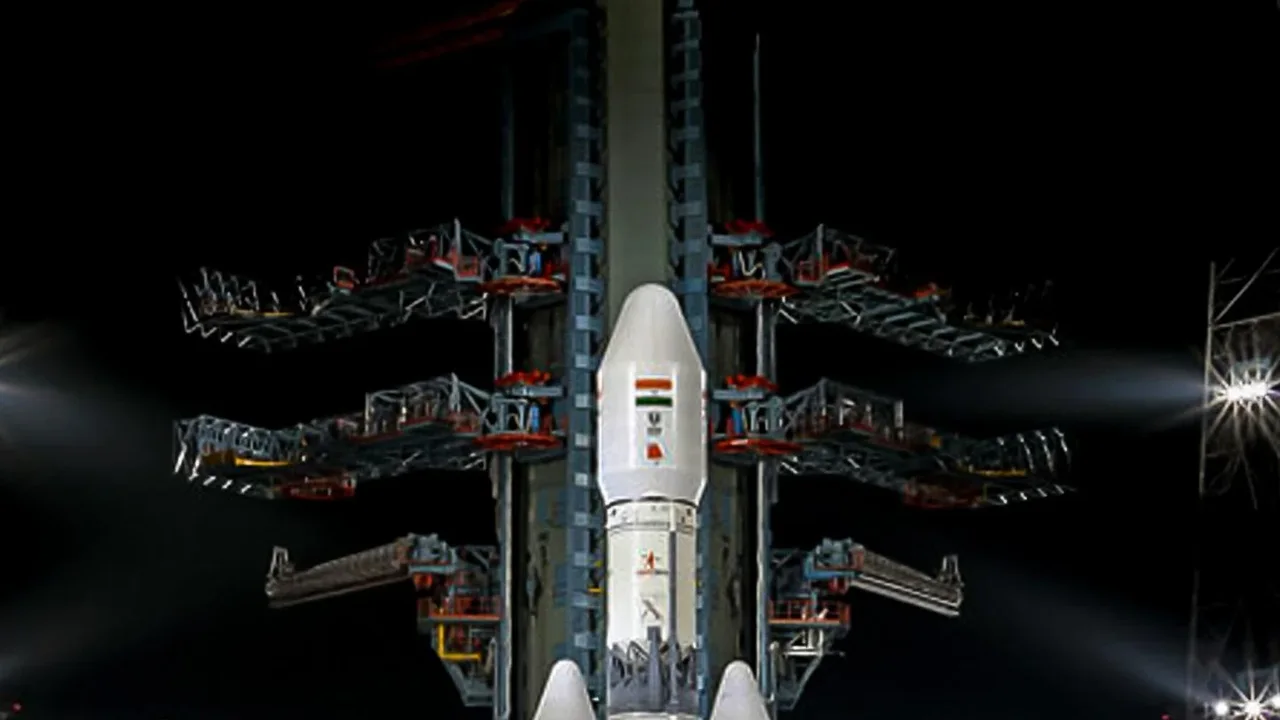
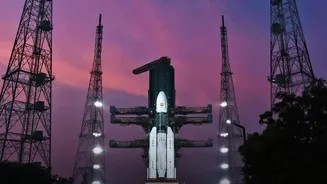
The most visible part of this new economy is the 'upstream' sector: companies that build the hardware for space. Startups like Hyderabad-based Skyroot Aerospace and Chennai's Agnikul Cosmos are developing their own launch vehicles to send satellites into orbit. Skyroot became the first private Indian company to launch a rocket, Vikram-S, proving that commercial launch is now a reality in the country. Others, like Dhruva Space and Bellatrix Aerospace, are focused on building satellites and advanced propulsion systems. These companies are aggressively hiring engineers in disciplines like aerospace, mechanical, and electronics, creating high-skilled jobs that were once almost exclusively within ISRO's domain. The key difference is the pace; startups offer a faster, more agile environment where engineers can see their work launch into space in months, not years.
Downstream: The Power of Data
Perhaps the largest area of job growth lies in the 'downstream' sector, which focuses on using data from satellites to solve problems on Earth. Bengaluru-based Pixxel is building a constellation of hyperspectral imaging satellites that can provide detailed data for agriculture, mining, and environmental monitoring. This data is invaluable. Companies and analysts use it to monitor crop health, help farmers with precision agriculture, manage disaster response, and guide urban planning. This creates a huge demand for professionals who can work with this information: data scientists, geospatial analysts, remote sensing experts, and AI/ML engineers. These roles don't always require a background in aerospace; they need people who can turn raw satellite data into actionable business intelligence, a skill valuable across many industries.
The New Skill Set for Space
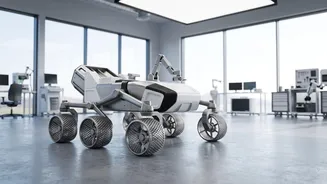
The modern space industry requires a blend of skills that goes beyond traditional rocketry. While core engineering disciplines remain vital, the private sector is also looking for professionals with expertise in software development, data analytics, artificial intelligence, and robotics. As companies like Skyroot and Agnikul use advanced simulation and AI to design and test rockets, the need for engineers who understand both physics and computational intelligence is growing. Furthermore, the popular image of a space career being limited to scientists and engineers is outdated. The burgeoning commercial industry needs business development managers to find customers, marketing specialists to build brands, and finance experts to manage investments. As the sector matures, there will be a growing need for space lawyers to navigate complex international regulations and policy analysts to help shape India's strategic vision.