
From Defence to Design
For years, monsoon prep was a defensive game: plastic sheets over furniture, storing away precious items, and a constant battle against dampness and musty smells. The goal was simply to minimise damage. Today, there's a significant shift in perspective.
Homeowners and designers are now actively embracing the season, making conscious choices to create a monsoon-ready aesthetic that is both beautiful and practical. This new approach isn’t about hiding things away, but about choosing materials that thrive in high humidity. The focus has moved from temporary fixes to permanent solutions that integrate seamlessly into a home's design, proving that you don’t have to sacrifice style for function during the rainy season.
Rethinking Wood: The Smart Choices
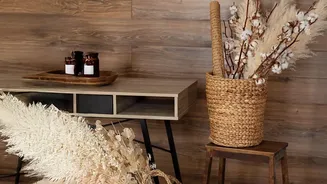
Wood is often the first casualty of monsoon humidity, prone to swelling, warping, and mould. While solid woods can be problematic, the solution isn't to abandon them entirely. The key is choosing the right kind. Teak is the reigning champion, as its natural oils make it highly resistant to moisture and rot. Similarly, hardwoods like Sheesham (Indian Rosewood) and Sal are excellent choices for the Indian climate. An increasingly popular option is engineered wood with high-quality sealing, which offers affordability without compromising on resilience. Moving furniture slightly away from walls can also prevent moisture from getting trapped, protecting even the most robust pieces.
Fabrics That Breathe Easy
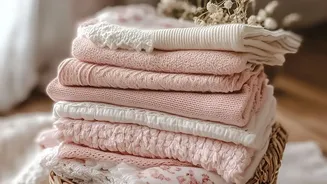
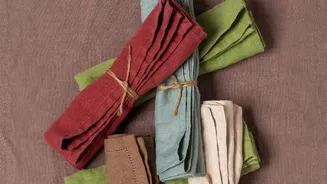
Heavy, absorbent fabrics like velvet and thick synthetics are a recipe for musty smells in the monsoon. The decor shift champions light, breathable textiles that manage moisture effectively. Cotton and linen are top contenders; they dry quickly and allow for better airflow, keeping your space feeling fresh. Khadi, an eco-friendly and breathable option, is also perfect for home textiles during this season. For upholstery, synthetic blends like microfiber or polyester are excellent as they are tightly woven and resist moisture penetration. Swapping out heavy drapes for sheer or lace curtains can make rooms feel brighter and airier on gloomy days.
The Rise of Rattan and Cane
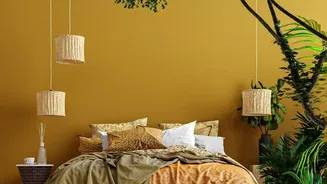
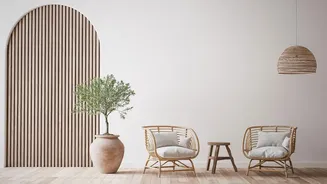
If one trend epitomises the new monsoon decor philosophy, it's the resurgence of rattan and cane. These natural, lightweight materials are inherently suited for humid climates. Their woven structure allows air to circulate freely, preventing the moisture buildup that plagues solid furniture. Once relegated to outdoor spaces, rattan and cane are now celebrated indoors for their earthy texture and bohemian-chic aesthetic. From accent chairs and cabinets to headboards and decorative baskets, these materials add a touch of organic beauty while being incredibly practical for the season.
Walls and Floors That Stay Dry
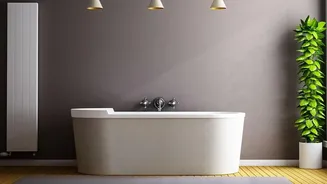
Damp walls are a common monsoon woe, leading to peeling paint and mould. Modern solutions offer both protection and style. Waterproof paints create a barrier against moisture, while newer options like waterproof wall panels made of materials like PVC can be installed over existing surfaces for a durable, mould-resistant finish. These panels come in a variety of textures and finishes, mimicking wood or stone. For flooring, materials like vitrified tiles, stone, and sealed concrete are ideal as they don't absorb moisture. Good ventilation, supplemented by ceiling fans, is also crucial to keep air moving and prevent stagnant, humid pockets.
Finishing Touches: Metal and Glass
To complete the humidity-proof look, incorporate accents made from materials impervious to moisture. Stainless steel, powder-coated metals, and aluminium are excellent choices for furniture frames or decorative items, as they resist rust and corrosion. Brass and bronze also work well, often developing a pleasing patina over time. Glass-topped tables are not only chic and easy to clean but also add to a sense of lightness and space. Using mirrors strategically can also help reflect light, making rooms feel brighter and more expansive on overcast days.