





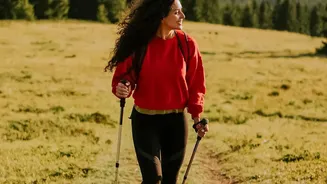
Why Go Barefoot?
Devotees of barefoot hiking often speak of the profound sensory experience—feeling the cool earth, soft moss, and warm rock. Beyond the connection to nature, walking unshod can strengthen the small muscles in your feet and legs, which are often left dormant
by rigid, supportive boots. Proponents say this leads to improved balance and proprioception, which is your body's awareness of its position in space. By encouraging a more natural gait, it can potentially reduce the impact on your joints. However, these benefits come with risks, making trail assessment a critical skill.
First, Assess Your Own Feet
The first assessment begins before you even see the trail. Have you spent your life in supportive shoes? If so, your feet need time to adapt. Start by walking barefoot at home, in a safe garden, or on soft grass to begin strengthening your feet and toughening your soles. Experts recommend a slow transition, potentially over several weeks or months, before tackling a proper trail. Pay attention to how your feet feel; muscle soreness is one thing, but sharp pain is a signal to stop. Always carry a pair of minimalist shoes or your regular hiking boots as a backup. Being able to put shoes on when the terrain becomes too challenging is non-negotiable for a beginner.
The Obvious Ground Check
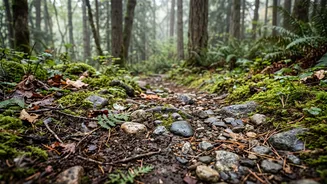
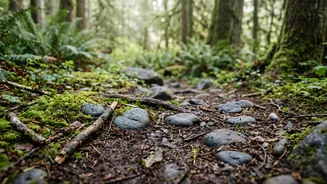
Once on the trail, your eyes are your most important tool. Your primary assessment is a constant scan of the path immediately ahead. You are looking for 'foot-unfriendly' objects that could cause injury. This includes sharp stones, broken glass, thorns, and jagged roots. Choose paths where you can clearly see what you are stepping on. Trails with tall grass or dense undergrowth are generally poor choices for barefooting as they can hide hazards like debris or even ticks. Well-maintained and popular trails are often a safer bet than unkempt, remote ones, as they tend to be clearer of dangerous litter.
Evaluating Terrain and Texture
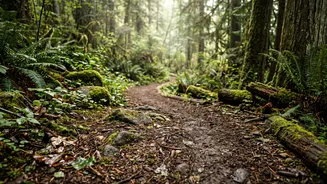
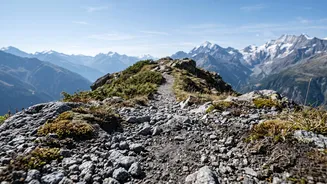
Beyond immediate hazards, consider the overall surface. For beginners, soft, forgiving terrain is ideal. Think of packed earth, pine needle-covered forest floors, sandy paths, or wide grassy tracks. These surfaces provide sensory feedback without being overly aggressive. As your feet adapt, you can progress to more challenging surfaces. Smooth, large rock slabs can be enjoyable, but be wary of loose gravel or scree, which can be unstable and sharp. Contrary to what you might expect, bare feet can offer excellent grip on muddy or slippery surfaces because your feet are more flexible and tactile than a stiff boot.
Factoring in Weather and Conditions
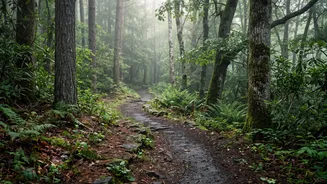
A trail that is perfect on a dry, mild day can become treacherous under different conditions. Assess the weather before and during your hike. After rainfall, a gentle dirt path can turn into slippery, sticky mud. While some barefoot hikers enjoy this, it requires more care. More importantly, consider the temperature of the ground. Sun-baked rock or sand can cause serious burns to unprotected soles, while extremely cold ground poses its own risks. For this reason, it is often best to plan barefoot hikes for the cooler parts of the day or on trails with ample shade.