




The Vision: Bharatiya Antariksha Station
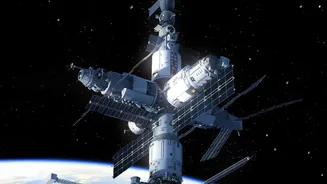
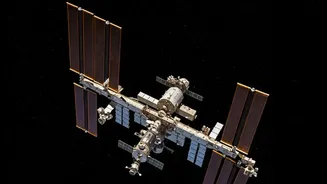
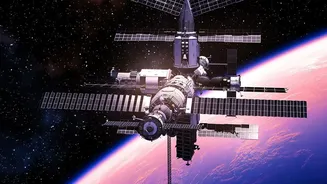
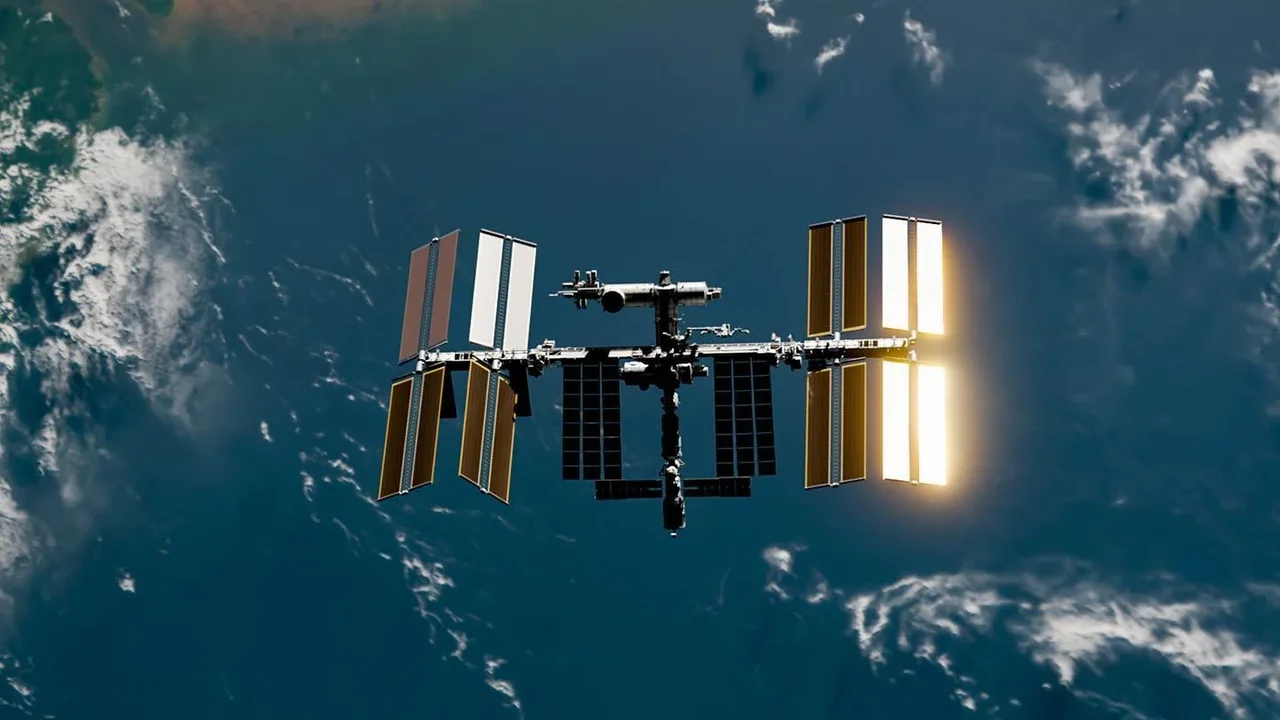
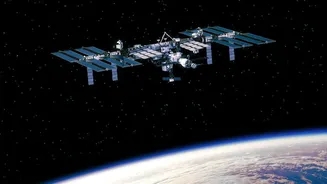
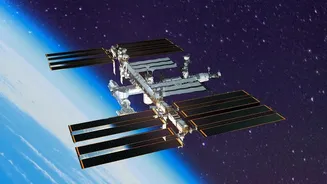
India's orbital home has a name: the Bharatiya Antariksha Station (BAS). The plan is to establish a modular 52-tonne outpost orbiting roughly 400 kilometres above Earth by 2035. It will be assembled in phases, with the first module, BAS-01, slated for
launch in 2028 aboard an LVM3 rocket. This initial component will serve as the foundation, with four more modules—including science labs and docking ports—added over the following years to complete the station. The project is a natural and ambitious extension of the Gaganyaan programme, which is developing the core technologies to send Indian astronauts, or 'Gaganauts', into space and return them safely. These astronauts are expected to stay on the station for missions lasting from three to six months.
A Permanent Laboratory in the Sky
The primary purpose of a space station is science. The BAS will provide India with a permanent microgravity laboratory, a unique environment where the rules of physics behave differently. This allows for groundbreaking research that is impossible on Earth. Scientists will be able to conduct long-term experiments in fields like materials science, biology, medicine, and pharmaceuticals. For instance, studying the effects of long-duration spaceflight on the human body is crucial for future deep-space missions and has direct benefits for healthcare on Earth. It will also be a platform to cultivate crops in space and study how life adapts to zero gravity, potentially revolutionising food sustainability for long journeys to the Moon or Mars.
A Gateway to the Moon and Beyond
The Bharatiya Antariksha Station is not just an end in itself, but a crucial stepping stone for India's deeper space ambitions. It will serve as a vital testbed and training ground for technologies and astronauts needed for more complex missions, including India's stated goal of a crewed lunar landing by 2040. Operating the station will help ISRO master critical capabilities like in-orbit docking, refueling, and servicing of spacecraft. These skills are essential for assembling larger vehicles in space and sustaining a long-term human presence beyond Earth's orbit. The station could act as a staging post, a sort of orbital base camp, for future interplanetary voyages.
Boosting the Economy and Technology
An undertaking as complex as a space station is a powerful catalyst for a nation's technological and industrial base. The project is expected to spur innovation and drive growth in high-tech manufacturing, from advanced electronics to new materials. The development of indigenous life-support systems, docking mechanisms, and robotics will create commercial opportunities and position Indian industry at the forefront of space technology. This could unlock new economic avenues, including satellite servicing, in-space manufacturing, and technology transfers that create jobs and inspire a new generation to pursue careers in science and engineering.
Strategic Stature and National Pride
Currently, only a handful of nations have operated a space station. By building its own, India would join this elite club, significantly enhancing its geopolitical standing and strategic autonomy. An independent platform ensures that India is not reliant on other nations for conducting sensitive research or strategic operations in orbit. Beyond the strategic implications, the sight of an Indian-made home among the stars would be a profound source of national pride. Much like the Chandrayaan and Mangalyaan missions captured the nation's imagination, the Bharatiya Antariksha Station would stand as a powerful symbol of India's scientific prowess and its ambition to become a leading spacefaring power.