






First, What Is the Repo Rate?
Think of the repo rate as the interest rate at which the Reserve Bank of India (RBI) lends money to commercial banks. It’s a key tool in the RBI’s arsenal to manage the country's money supply and control inflation. When the repo rate goes up, it becomes
costlier for banks to borrow from the RBI. Naturally, they pass this increased cost on to customers like you by raising interest rates on loans, including home, auto, and personal loans. Conversely, when the repo rate falls, loans tend to get cheaper.
Why Did the RBI Raise the Rate Now?
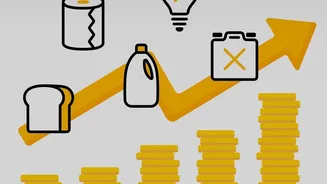
The RBI’s decision is primarily a move to tackle rising inflation. RBI Governor Sanjay Malhotra noted that while the Indian economy remains strong and resilient, global uncertainties and rising prices have become a concern. Factors like the conflict in West Asia pushing up global crude oil prices have created inflationary risks. For months, inflation has remained above the RBI's medium-term target of 4%. By making borrowing more expensive, the central bank aims to reduce the amount of money circulating in the economy, which in turn helps to cool down demand and control price rises. The RBI also raised its inflation forecast for the financial year to 5.2%.
The Immediate Impact: Your Loans Will Get Costlier
If you have a floating-rate loan, particularly one linked to an external benchmark like the repo rate, you will feel the impact most directly. Banks will begin to pass on the 25-basis-point (0.25%) hike to borrowers. For home loan customers, this could mean either a higher Equated Monthly Instalment (EMI) or a longer repayment tenure. For example, on a ₹30 lakh home loan with a 25-year tenure, a 0.25% rate increase could push your monthly EMI up by around ₹490. On a ₹50 lakh loan, the increase could be about ₹817 per month. While a single hike may seem manageable, the RBI has signalled a 'calibrated tightening' stance, suggesting that further rate cuts are off the table for now and more hikes could follow if inflation doesn't cool down.
A Silver Lining for Savers and FD Investors
While borrowers face higher costs, the rate hike is good news for those who prefer to save. To attract more funds, banks are likely to start increasing the interest rates they offer on new Fixed Deposits (FDs). It's important to note that this change does not affect your existing FDs; they will continue to earn interest at the rate at which they were booked until maturity. However, if you are looking to book a new FD or if your current one is maturing soon, you may benefit from waiting a bit, as banks could roll out higher interest rates over the coming weeks. For instance, a 0.25% increase on a ₹10 lakh FD could earn you an extra ₹2,500 in interest annually.
What Should You Do Now?
For borrowers, especially those with large, long-term home loans, this is a good time to review your finances. If possible, consider making partial prepayments on your principal amount. This can help reduce your overall interest burden and keep your loan tenure from extending too far. For those planning to take a new loan, be prepared for slightly higher interest rates compared to a few weeks ago. For savers, this rate hike cycle signals a better return on your fixed-income investments. You might consider 'laddering' your FDs—breaking up your investment into multiple deposits with different maturity dates. This allows you to take advantage of rising interest rates as each deposit matures.