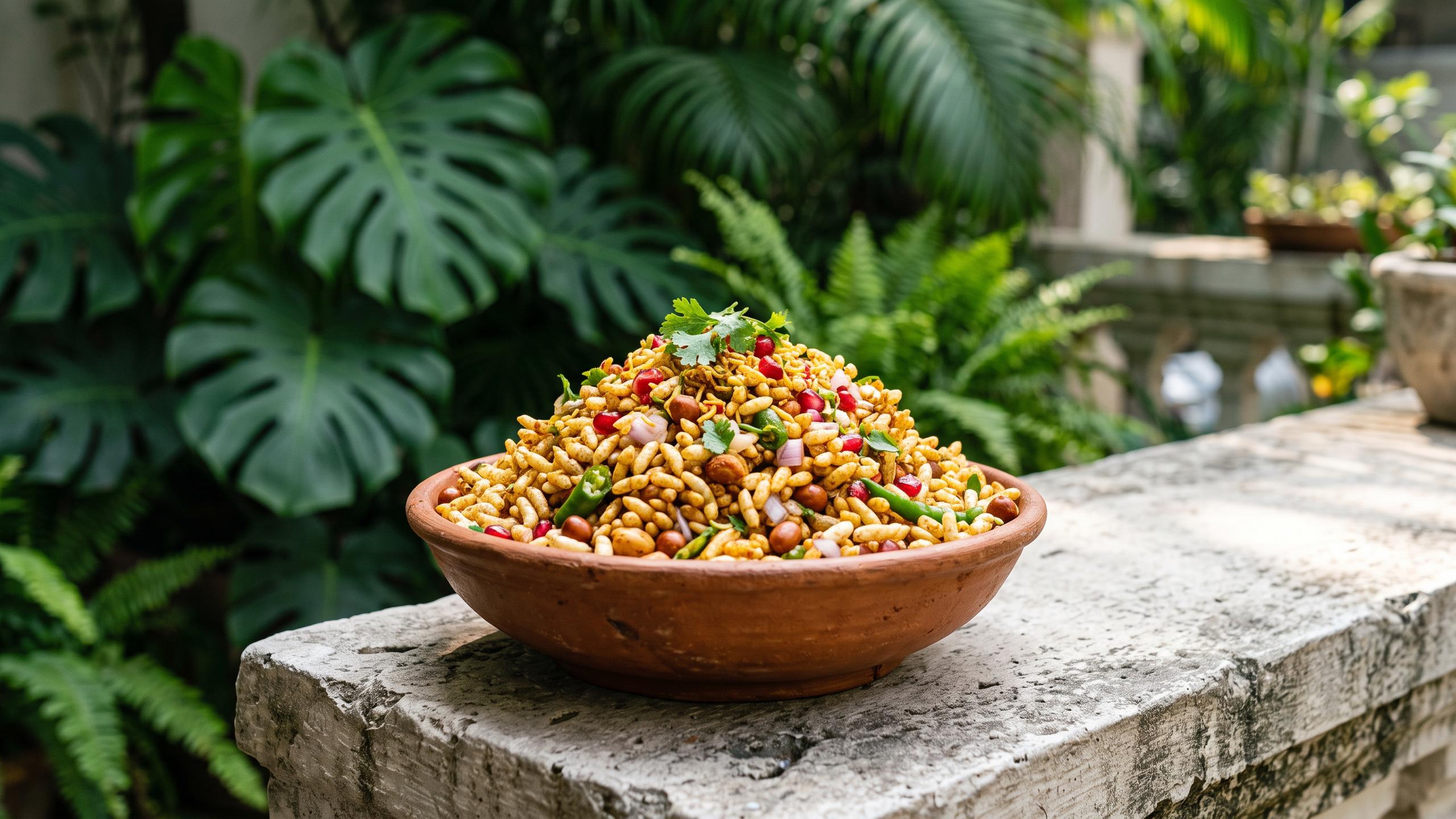






It's a symphony in a paper cone, a flavour explosion that defines Kolkata's streets. Bengali Jhalmuri is more than a snack; it's an experience. And at its heart is the vibrant crunch of fresh vegetables that elevates it from simple puffed rice to a culinary
icon.
What is Jhalmuri?
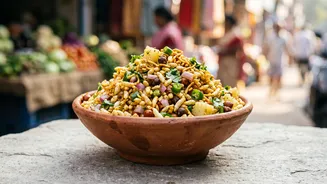
At its core, Jhalmuri is a deceptively simple mix. The name itself breaks it down: 'jhal' means spicy, and 'muri' refers to puffed rice. This light, airy base is tossed with an assortment of ingredients, most notably pungent, raw mustard oil, which gives the snack its signature Bengali character. Added to this are various crunchy elements like roasted peanuts and 'chanachur' (a savoury Bombay mix), along with a blend of spices. It’s a snack that is assembled fresh, often by a street vendor or 'jhalmuriwala', who expertly mixes the components in a metal container before serving it, traditionally in a paper cone. While variations exist across India, the Bengali version is celebrated for its sharp, savoury, and unapologetically bold flavours.
The Crucial Role of Fresh Toppings
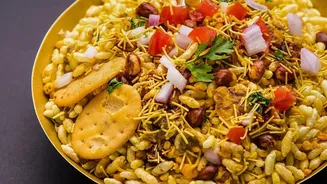
While puffed rice forms the foundation, the fresh vegetable toppings are what give Jhalmuri its soul and complexity. These are not mere garnishes; they are essential components that contribute texture, moisture, and layers of flavour. Finely chopped red onion provides a pungent crunch, while juicy tomato offers a hint of acidity and softness. Cucumber brings a cool, crisp freshness that balances the heat, and boiled potato adds a soft, starchy density that makes the snack more substantial. A smattering of freshly chopped coriander leaves introduces a bright, herbal note, and finely minced green chillies deliver a sharp, lingering heat. Together, these raw ingredients create a dynamic interplay of textures — crisp, crunchy, soft, and juicy — in every single bite.
A Symphony of Flavour and Texture
The genius of Jhalmuri lies in its balance. The fresh vegetables do more than just add crunch; they are critical to the flavour architecture of the dish. The moisture from the tomato and cucumber begins to very slightly soften the puffed rice, but not so much that it becomes soggy — a process cleverly slowed when served in an absorbent newspaper cone. This creates a delightful contrast between the still-crisp grains and the yielding vegetables. The pungency of the onion and mustard oil is tempered by the cooling effect of the cucumber, while the tang from a squeeze of lemon juice cuts through the richness. It is a snack designed to awaken the senses, hitting notes of spicy, tangy, savoury, and fresh all at once. This careful balance is what elevates Jhalmuri from a simple mixture to a sophisticated street food staple.
A Reflection of Culinary Culture
The emphasis on fresh, raw vegetables in Jhalmuri speaks volumes about Bengali culinary philosophy. It showcases a love for seasonality and making the most of simple, locally available ingredients. The snack is a microcosm of a cooking style that prizes texture and bold, distinct flavours. It's also a social food, rarely eaten alone. It’s the taste of a chat with friends, a break during a busy market day, or a commute home from work. The preparation itself is a form of performance art, with vendors mixing the ingredients with a practiced rhythm that is part of the experience. This connection to everyday life, its accessibility, and its endlessly customisable nature have cemented Jhalmuri's status as a cultural icon, representing the vibrant spirit of Bengal in every cone.