
Sometimes, a single memory is all it takes to bring a hidden culinary gem into the national spotlight. A recent, heartfelt recollection by Sonia Gandhi about her mother-in-law, Indira Gandhi, has done just that for Modur Pulav.
A Festive Memory Shared
In a recent video conversation
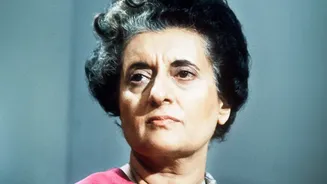
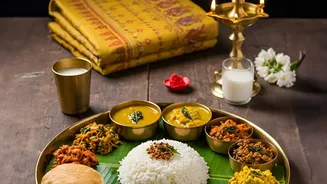
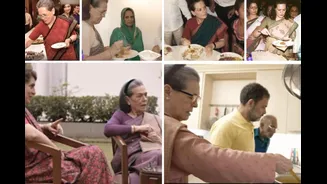
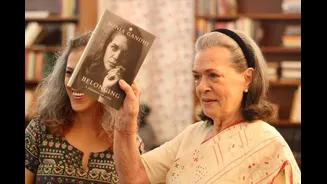
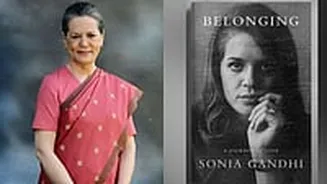
with her daughter Priyanka Gandhi Vadra and granddaughter Miraya Vadra, Sonia Gandhi reminisced about Diwali celebrations at the former Prime Minister's residence at 1, Safdarjung Road. Amidst memories of the house glowing with diyas, she shared a culinary tradition that has stood the test of time. 'On festivals we always used to have Kashmiri food and that sweet rice, like that, which we still make, by the way,' Sonia recalled. This casual but poignant mention of a 'sweet rice' has sparked curiosity about the specific dish, widely believed to be the traditional Kashmiri Modur Pulav. The fact that the tradition continues decades later underscores how food can become a powerful thread connecting generations.
What Exactly Is Modur Pulav?
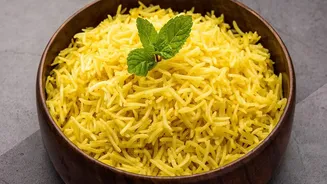
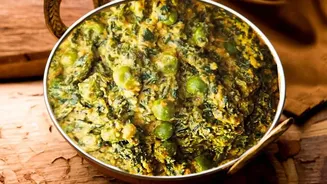
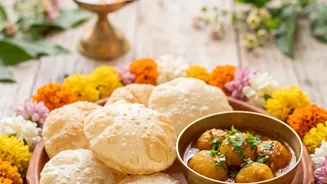
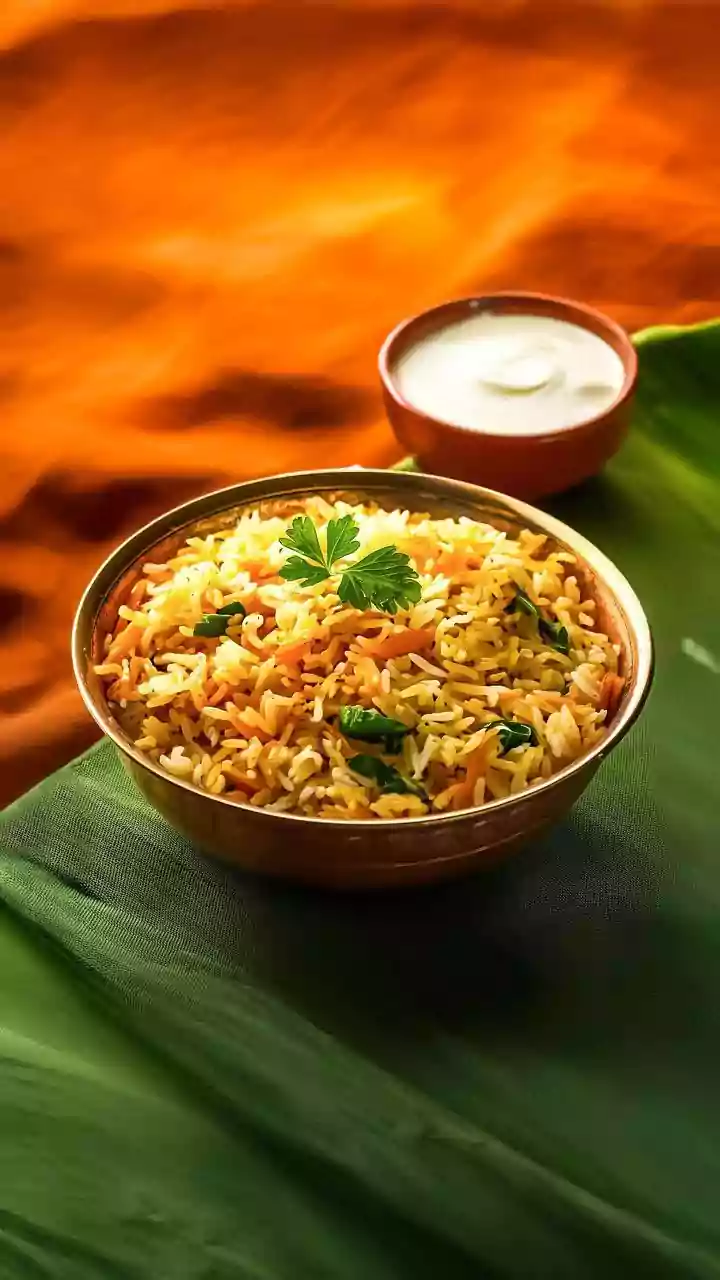
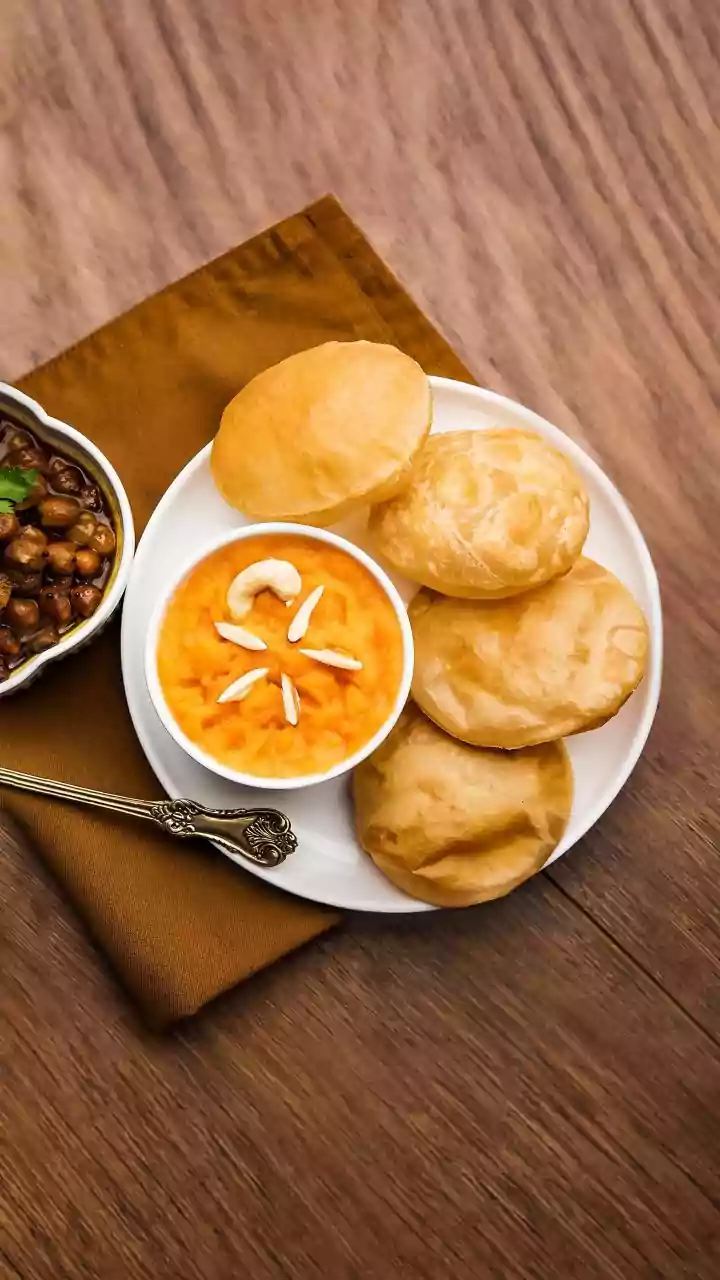
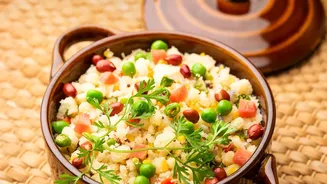
For those unfamiliar with the nuances of Kashmiri cuisine, Modur Pulav is a world away from the savoury pulaos common in other parts of India. The word 'Modur' itself means 'sweet' in Kashmiri. This festive dish is an aromatic and luxurious preparation of basmati rice, cooked with milk, sugar, and a generous amount of ghee. Its signature golden hue comes from saffron, the prized spice of Kashmir. The pulav is further enriched with a medley of fried nuts and dried fruits, such as almonds, cashews, raisins, and sometimes dates or coconut slivers. Whole spices like cinnamon, cloves, and green cardamom infuse it with a warm, fragrant aroma that perfectly balances its sweetness. It occupies a unique space between a main course and a dessert, often served during weddings and celebrations to signify joy.
Indira Gandhi's Kashmiri Connection
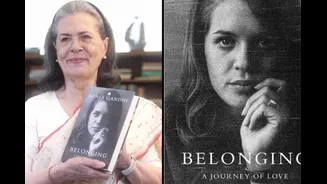
The presence of Kashmiri cuisine at Indira Gandhi's table was no coincidence. The Nehru family members were Kashmiri Pandits, and this heritage was a significant part of their identity. In her own memoirs, Sonia Gandhi has noted that everyday Indian meals in the household were often prepared in the Kashmiri Pandit style. Indira Gandhi treasured this connection, which was reflected not just in food but also in her love for Kashmiri shawls and her frequent visits to the Valley. While she famously could not cook herself, she possessed a refined palate and knew exactly how to improve a dish. Her fondness for Kashmiri fare like goshtaba, yakhni, and koftas was well-known, making the inclusion of a celebratory dish like Modur Pulav a natural part of her festive spreads.
More Than Just a Dish
The story of the Gandhis and Modur Pulav is a reminder of food's profound role in our lives. It is a vessel for memory, a symbol of heritage, and a ritual that binds families. For the Gandhis, this sweet rice is a tangible link to a matriarch and a cultural past. The tradition, passed down from Indira to Sonia and now shared with her grandchildren, illustrates how recipes become legacies. Every time the dish is prepared, it is not just about combining rice, sugar, and saffron; it is about recreating an atmosphere, honouring a memory, and keeping a personal history alive. It highlights a universal truth: that the flavours of our past often provide the most comfort in our present.