



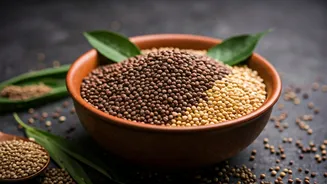


A Return to Our Roots
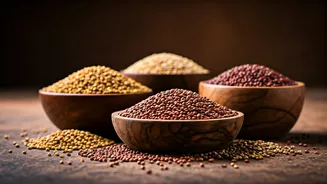
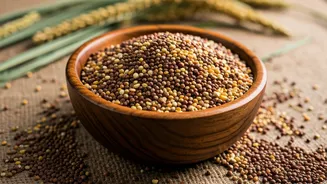
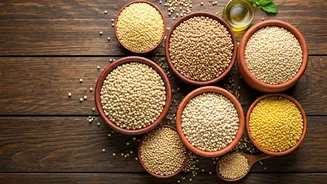
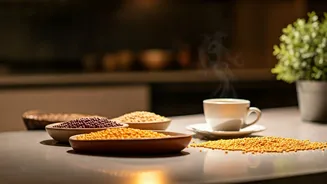
For thousands of years, millets were the backbone of the Indian diet. Grains like jowar (sorghum), bajra (pearl millet), and ragi (finger millet) were cultivated across the subcontinent, valued for their resilience and versatility. Archaeological evidence
shows their presence even in ancient Harappan sites. However, with the Green Revolution, the focus shifted dramatically to high-yield wheat and rice, pushing these nutritious grains into the background, where they were often dismissed as food for rural or underprivileged communities. Today, the tables have turned. A growing awareness of health, nutrition, and sustainability has sparked a powerful resurgence. Indians are consciously rediscovering these 'shree anna' (a term of respect for the grains), not as a passing trend, but as a reconnection to our culinary heritage.
The Nutritional Powerhouse
So, why are millets gaining such loyalty? The answer lies in their dense nutritional profile, which comprehensively outperforms refined wheat and white rice. Millets are naturally gluten-free, making them an excellent choice for those with celiac disease or gluten sensitivity. They are packed with dietary fibre—often two to three times more than traditional grains—which aids digestion, promotes a feeling of fullness, and supports weight management. Furthermore, millets have a lower glycemic index compared to polished rice and refined wheat. This means they release sugar into the bloodstream more slowly, preventing the sharp spikes that are a major concern for people managing diabetes. Studies have shown that regular millet consumption can improve insulin sensitivity and help maintain stable blood sugar levels.
A Millet for Every Meal
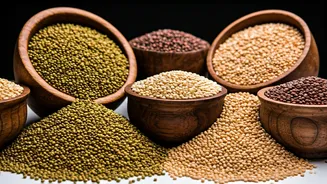
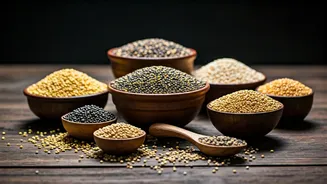
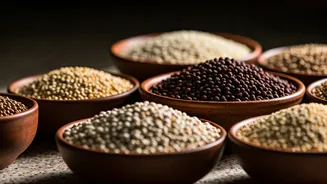
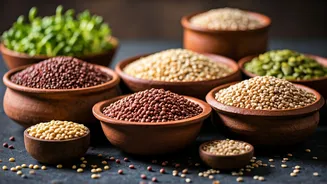
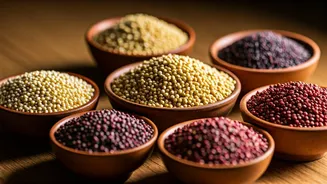
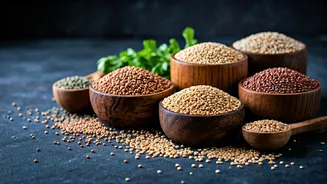
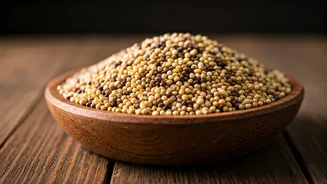
The diversity within the millet family is one of its greatest strengths. Different types offer unique benefits and are suited to various dishes. Ragi, for instance, is a calcium champion, containing significantly more of the bone-building mineral than wheat or rice, making it ideal for growing children and preventing osteoporosis. Bajra is a rich source of iron and magnesium, which helps combat anaemia and supports heart health by regulating blood pressure. Jowar is lauded for its antioxidant properties and high protein content. The family also includes smaller grains like foxtail millet (kangni), barnyard millet (samak), and kodo millet, each bringing its own set of micronutrients to the table. This variety allows for a well-rounded intake of essential minerals like phosphorus, potassium, and zinc.
Beyond the Bhakri and Porridge
While traditional preparations like bhakri, roti, and porridge remain popular, the modern Indian kitchen is embracing millets in creative new ways. Chefs and home cooks are experimenting with millets in everything from breakfast upma and fluffy idlis to wholesome salads and flavourful khichdis. Millet flour is now a common ingredient in baking, used to make nutrient-dense cakes, cookies, and bread. You can find millet-based pasta, noodles, and even pizza bases, proving that healthy eating doesn't have to be restrictive or boring. This adaptability has been key to their renewed popularity, allowing them to seamlessly integrate into contemporary lifestyles and palates.
Good for You, Good for the Planet
The appeal of millets extends beyond personal health to environmental sustainability. These hardy crops are famously climate-resilient. They require significantly less water than rice and wheat—some estimates suggest up to 70% less—and can thrive in arid conditions and poor soil with minimal need for chemical inputs. In an era of increasing water scarcity and climate uncertainty, cultivating millets helps conserve precious resources and promotes a more sustainable agricultural system. By choosing millets, consumers are not only making a smart decision for their bodies but also supporting a food system that is kinder to the planet and strengthens the livelihood of small farmers.