
The Power Players: What Are Polyphenols?
Before we get to the kitchen, let's understand what we're trying to save. Polyphenols are naturally occurring compounds in plant-based foods like fruits, vegetables, tea, and dark chocolate. Think of them as the plant's personal bodyguards, protecting
it from environmental stress. When we eat these plants, those protective benefits are passed on to us. Acting as potent antioxidants, polyphenols help protect our bodies from cellular damage caused by unstable molecules called free radicals. A diet rich in these micronutrients is associated with a wide range of health benefits, including supporting heart health, improving digestion, and reducing inflammation.
Meet the Cruciferous Family
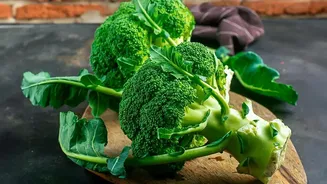
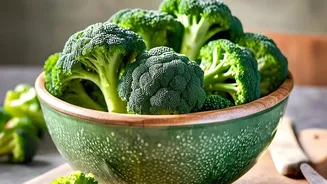
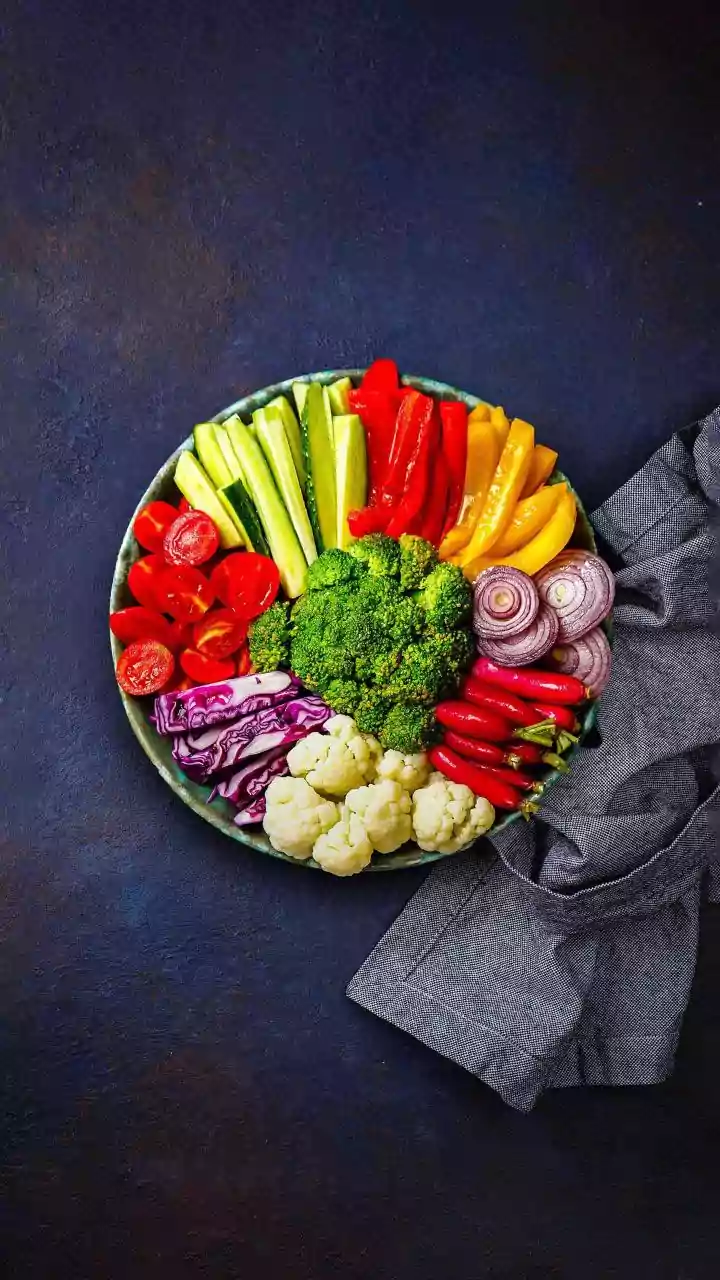
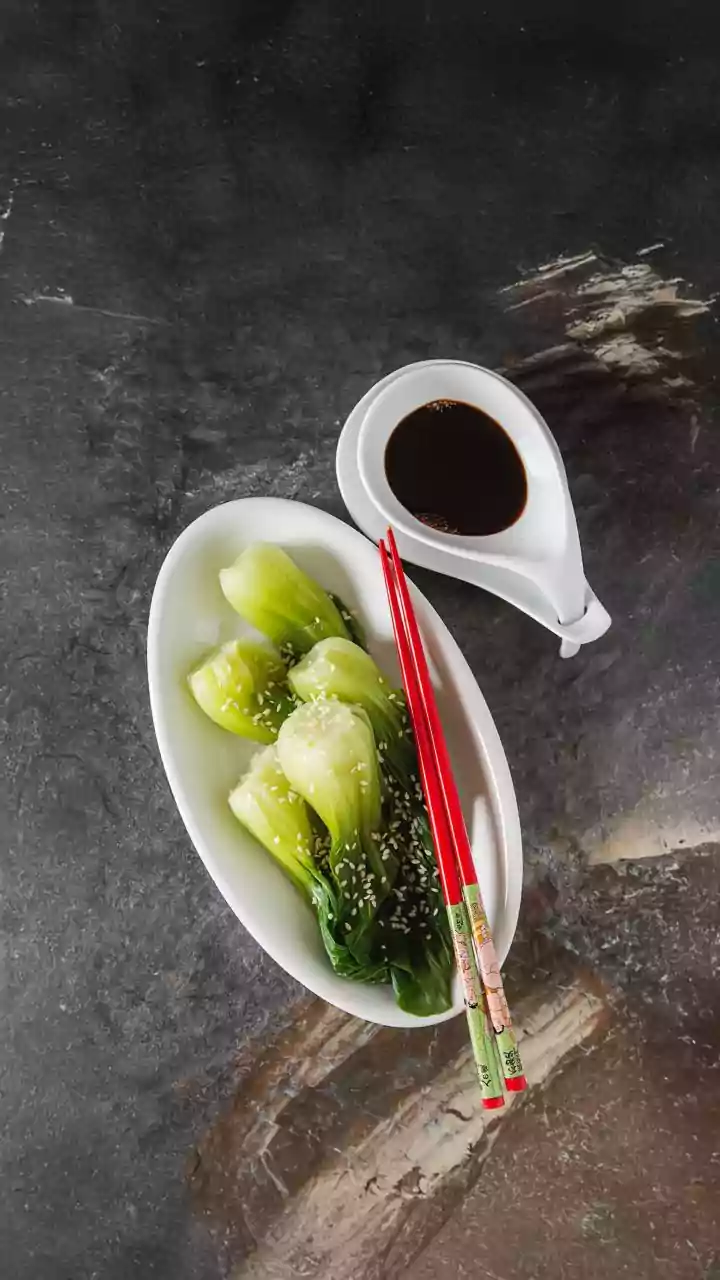
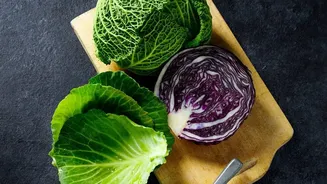
The term 'cruciferous' might sound scientific, but you know this family well. It's a diverse group of vegetables from the Brassica genus, known for their distinct, often peppery, flavour. This group includes some of the most popular and nutrient-dense greens on the market. Common members of this nutritional powerhouse family include broccoli, cauliflower, kale, Brussels sprouts, cabbage, bok choy, and arugula. These vegetables are celebrated not just for their vitamin and mineral content but specifically for their high concentration of beneficial compounds, including the very polyphenols we want to preserve.
The Cooking Conundrum: Heat and Water
How you cook your vegetables has a significant impact on their nutritional profile. Some methods can cause valuable nutrients to degrade or simply wash away. Boiling, for example, is particularly notorious for this. When vegetables are submerged in hot water, water-soluble nutrients, including many polyphenols and vitamins, leach out into the cooking liquid. If you discard that water, you're pouring a substantial portion of the vegetable's goodness down the drain. While roasting and stir-frying can be good alternatives, they often require added fats and can be less effective at preserving certain delicate compounds than the method many nutrition experts prefer: steaming.
The Steaming Sweet Spot
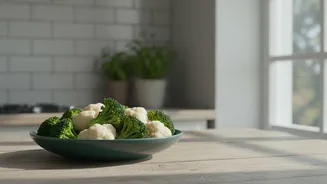
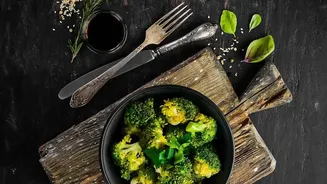
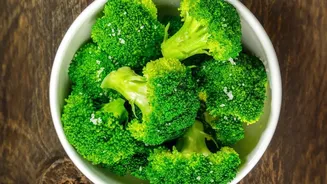
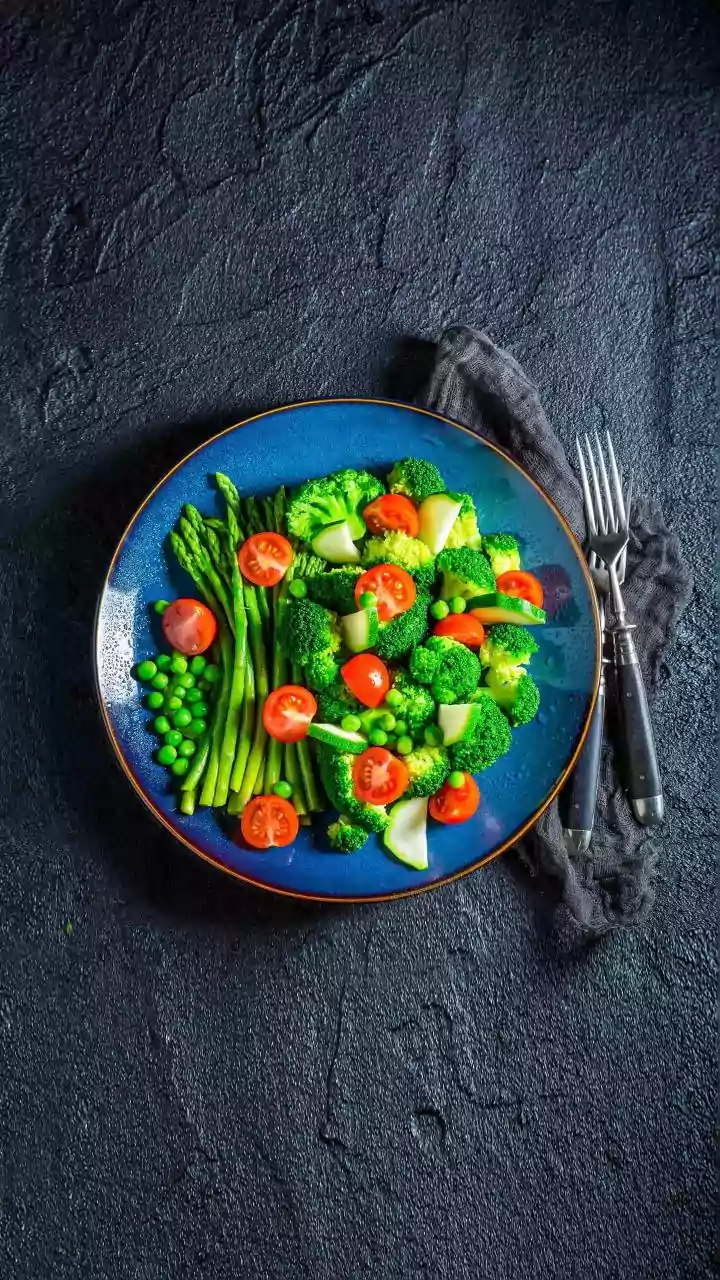
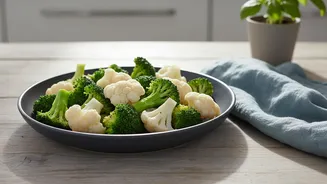
Steaming is the gentle giant of cooking methods. It uses moist heat from water vapour to cook the vegetables without submerging them, which significantly reduces the loss of water-soluble nutrients. However, the key to maximizing nutrition lies in the duration. Some studies show that while cooking can sometimes make polyphenols more available, extended cooking times can lead to their degradation. Short steaming hits the sweet spot. It's just enough heat to soften the vegetable's tough cell walls, making them easier to digest, but not so much that it destroys the heat-sensitive polyphenols. The goal is tender-crisp, not soft and mushy. A steaming time of three to five minutes is often cited as ideal for florets like broccoli.
A Practical Guide to Perfect Steaming
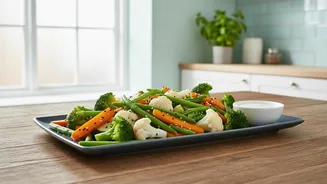
Ready to lock in those nutrients? Here’s how to do it right. First, cut your vegetables into uniform pieces for even cooking. For broccoli or cauliflower, aim for similar-sized florets. Fill a pot with about an inch of water and bring it to a boil. Place a steamer basket inside, ensuring the water level is below the basket. Add your prepared vegetables to the basket, cover the pot, and reduce the heat to medium. For broccoli florets, start checking for doneness after three minutes. They should be bright green and easily pierced with a fork but still have a slight crunch. For other vegetables, times may vary; Brussels sprouts might take 6-8 minutes, while chopped kale may only need a few minutes. Once done, remove them from the heat immediately to prevent overcooking.