





Plan Ahead, Stay Informed
Spontaneity has its charms, but monsoon travel isn't the time for it. Before you even pack, it's crucial to research your destination. Some regions, particularly in the Himalayas, become prone to landslides and flash floods. Check weather forecasts from
reliable sources like the India Meteorological Department (IMD) not just for your destination, but for the entire route. Heavy rainfall can lead to significant travel delays, so plan for extra buffer time between connections. It’s also wise to book accommodation with flexible cancellation policies, as road blockages or severe weather could force a change of plans. Informing yourself about potential hazards is the first and most important step to a safe journey.
Safety on the Road
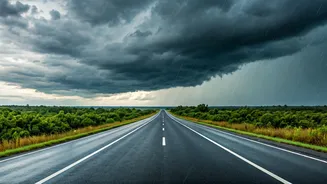
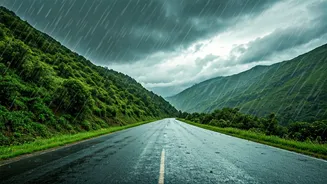
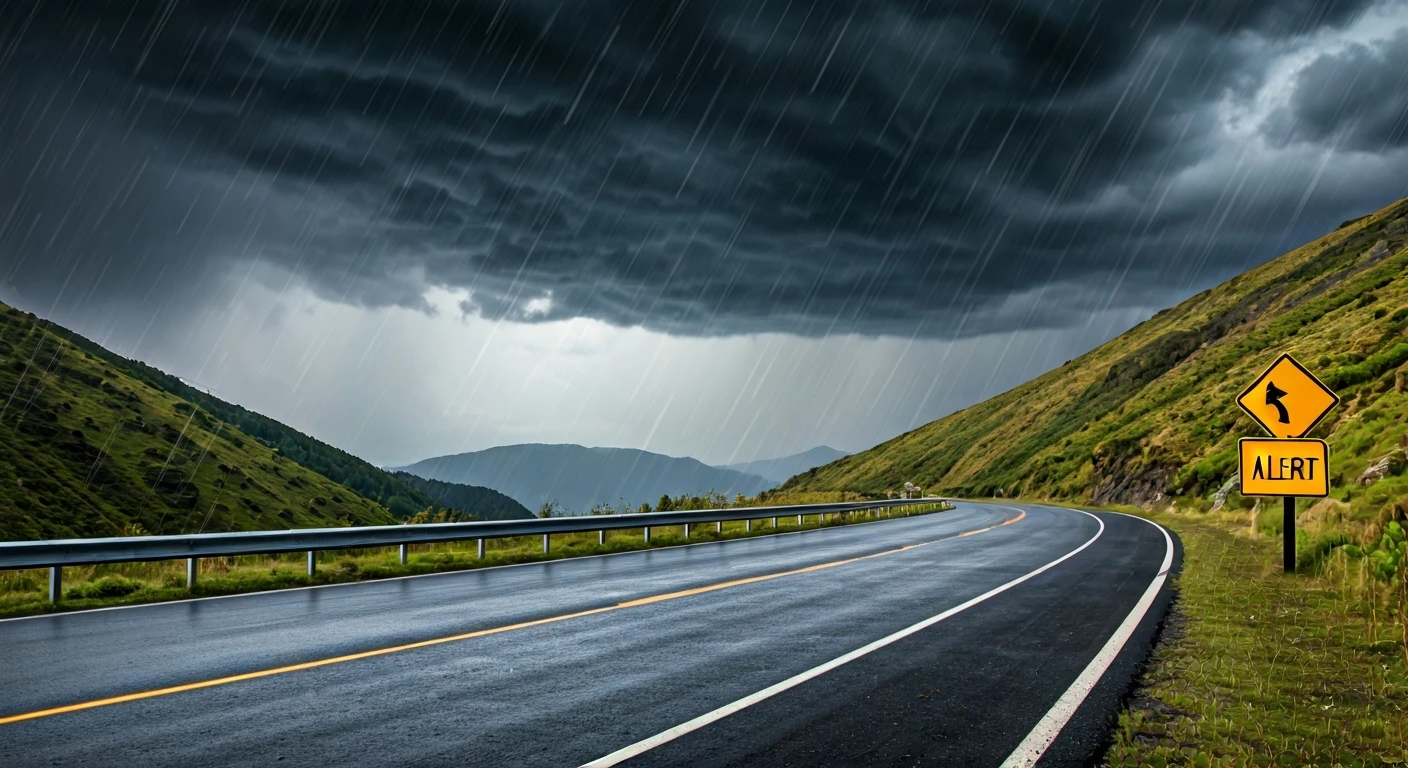
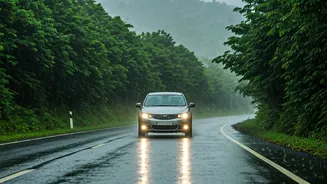
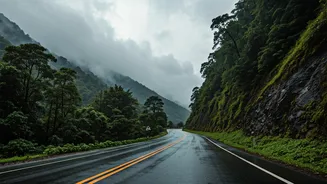
Driving during the monsoon requires your full attention. Roads can become treacherous, with reduced visibility and slippery surfaces increasing risks. The most important rule is to reduce your speed and maintain a safe following distance from the vehicle ahead. Before you start, ensure your car is monsoon-ready: check your tyre tread, brakes, and windscreen wipers. Old wiper blades can smear water and obstruct your view, while worn tyres are a major cause of skidding. Always keep your headlights on a low beam during heavy rain to improve your visibility to others without blinding oncoming traffic. One common mistake is using hazard lights while driving in the rain; they are only for stationary vehicles and can confuse other drivers. Finally, avoid driving through waterlogged streets, as puddles can hide deep potholes and increase the risk of aquaplaning, where your tyres lose contact with the road.
Health and Hygiene First
The monsoon season brings a heightened risk of waterborne and mosquito-borne diseases like dengue and malaria. Be extremely cautious about food and water. Avoid street food, no matter how tempting, as the chances of contamination are high. Stick to bottled or boiled water and eat at clean, hygienic establishments. Always wash your hands frequently with soap and water or use a hand sanitiser. To protect against mosquitoes, use a strong insect repellent, wear long-sleeved clothing, and consider using mosquito nets at night. It's also essential to pack a first-aid kit containing basics like antiseptic cream, bandages, and medication for common ailments like fever and indigestion.
Pack Smart, Not Heavy
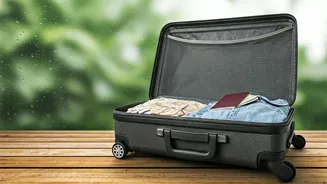
Your packing strategy can make or break a monsoon trip. Prioritise function over fashion. Opt for lightweight, synthetic, and quick-drying clothes like polyester or nylon blends. These fabrics dry much faster than cotton or denim in high humidity. Darker-coloured clothes are a practical choice as they are better at hiding mud stains. When it comes to footwear, leave the leather shoes and white sneakers at home. Instead, pack waterproof sandals with a good grip or rubber floaters. For electronics, waterproof bags, covers, or even simple ziplock bags are non-negotiable to protect your phone, camera, and chargers from moisture. A sturdy umbrella and a lightweight raincoat are, of course, essential items on any monsoon packing list.
Trekking and Outdoor Adventures
While the mountains are breathtakingly beautiful during the monsoon, they also pose the highest risks. Hill stations in states like Uttarakhand and Himachal Pradesh are often vulnerable to landslides, which can block roads for days. Trekking paths can become slippery and dangerous. If you are planning an adventure trip, choose your destination carefully, opting for areas with lower risk profiles. Always travel with an experienced guide, stick to marked trails, and never venture out during heavy rainfall warnings. Be aware that water levels in rivers and streams can rise suddenly. Check with local authorities about the conditions before you begin any trek and always have a contingency plan.