






The Science of a Stressed Cow
Dairy cows are sensitive creatures of comfort. Their ideal temperature range, or thermoneutral zone, is between 5°C and 25°C. When temperatures climb above this, especially with high humidity, cows begin to experience 'heat stress.' Unlike humans, cows are not
efficient at sweating and rely heavily on respiration to cool down. As they pant and breathe more heavily to maintain their core body temperature of around 38.8°C, they divert significant energy away from other bodily functions. This stress response triggers a cascade of physiological changes, including reduced appetite and hormonal imbalances, which directly impact their ability to produce milk.
From Less Feed to Less Milk
A primary consequence of heat stress is a drop in feed intake. Cows simply eat less when they are hot, sometimes by as much as 10-30%. This reduction means fewer nutrients are available to be converted into milk. The result is a drop in both the quantity and quality of milk produced. Studies show that milk yield can decline significantly during periods of intense heat. For instance, a study in Maharashtra noted milk yield drops of up to 25% during peak summer. Furthermore, the milk that is produced often has a lower fat and protein content, which reduces its market value and affects the quality of products like cheese and butter.
The Economic Squeeze on India's Farmers
For India, the world's largest milk producer, the stakes are enormous. The dairy sector is the backbone of the rural economy, supporting around 80 million smallholder farmers. These farmers are particularly vulnerable to the effects of climate change. When milk production falls, so does their income. Compounding the problem, farmers often face increased costs for managing heat-stressed animals, such as investing in cooling systems like fans and misters or purchasing more expensive, climate-resilient feed. Studies already estimate that heat-related stress causes an annual national loss of 3.2 million tonnes of milk, valued at roughly ₹2,661 crore.
Why You'll Feel It at the Checkout
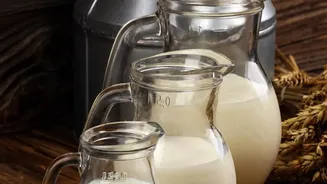
The ripple effect of lower production on the farm inevitably reaches the consumer. Dairy operates on a fundamental principle of supply and demand. When the supply of milk tightens due to factors like widespread heat stress, but consumer demand remains steady or grows, prices are pushed upward. Farmers may have to purchase milk from elsewhere to meet their commitments, as has been seen in parts of Uttar Pradesh. This creates a chain reaction through the supply chain, from the processors who buy the raw milk to the retailers who stock the final products. Ultimately, this means the cost of your daily milk, dahi, paneer, and ghee is likely to rise as hotter weather becomes more common.
Adapting to a Warmer Future
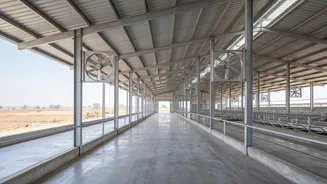
The dairy industry is not standing still. Efforts are underway to mitigate the impacts of heat stress. These include implementing better farm management practices like providing adequate shade and ventilation, using sprinklers and fans for evaporative cooling, and adjusting feeding routines. There is also significant research into breeding more heat-tolerant cattle, such as indigenous Bos indicus breeds like Sahiwal and Gir, which are better adapted to warmer climates. Developing and scaling these adaptation strategies is crucial for ensuring the long-term sustainability of India's dairy sector and maintaining stable prices for consumers in a changing climate.