



The Rise of the 15-Second Meal
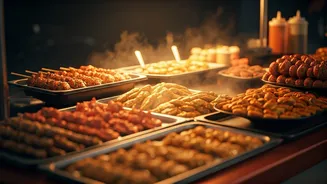
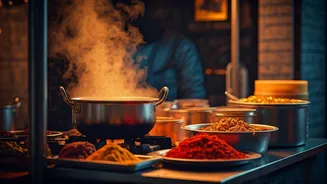
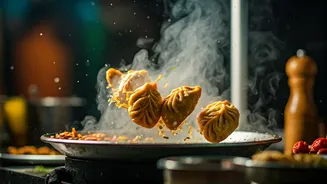
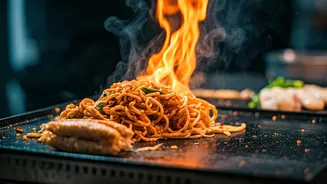
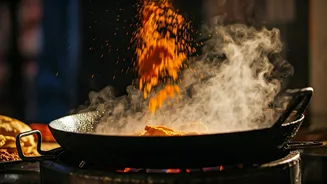
Scroll through Instagram or YouTube Shorts, and you'll find a sensory explosion. Food content, especially from India's bustling streets, has become a dominant genre. These short videos, characterized by quick cuts, upbeat music, and hyper-close-up shots,
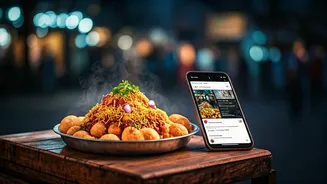
are designed for maximum engagement. Food bloggers and influencers have become the new tastemakers, capable of turning a humble street-side stall into an overnight sensation. [12] For vendors, this offers a powerful, cost-effective marketing tool that can attract a massive audience almost instantly. [3, 4] This digital word-of-mouth has democratized information, allowing consumers to discover hidden gems and viral sensations with a simple swipe, fundamentally altering how people discover and decide where to eat. [3]
The 'More is More' Mandate
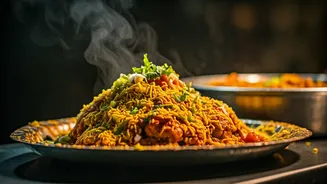
To stand out in a sea of content, a simple, delicious dish is often not enough. The algorithm rewards spectacle. This has given rise to the 'more is more' philosophy, where vendors feel pressured to create visually dramatic food. The result is an arms race of toppings: vada pavs loaded with a mountain of assorted chutneys, dosas drowning in cheese, and parathas swimming in butter. These 'fusion' or 'upgraded' dishes, like butter chicken nachos or chocolate samosas, are engineered for the camera. [20] While visually appealing, this trend often prioritizes shock value over balanced flavour. The goal is to create an 'Instagrammable' moment—a dish so outrageous or decadent that viewers feel compelled to share it, whether or not it represents the authentic taste of the cuisine. [9]
The Vendor's Dilemma: Authenticity vs. Virality
For every vendor who becomes a viral star, many more grapple with the pressure to adapt. Social media offers unprecedented opportunity, but it's a double-edged sword. [3] The need to be camera-ready can force vendors to alter generations-old recipes, sacrificing subtlety for spectacle. Traditional cooking methods that don't look dramatic on screen may be abandoned. There is a growing debate about what 'authenticity' even means when food culture is constantly evolving. [19, 21] However, many chefs and food critics argue that true authenticity lies in respecting ingredients and techniques, something that can get lost when the primary goal is to create a viral reel. [9, 16] The pressure is immense; a single negative review or controversy that goes viral can be devastating to a small business. [3]
How the Viewer Shapes the Menu
Ultimately, this trend is driven by consumer behaviour. [5] The demand for novel, visually striking food fuels the cycle. Platforms designed to capture attention have trained audiences to value the spectacle, sometimes more than the taste itself. Food bloggers and content creators, who act as intermediaries, play a huge role in this ecosystem, often seeking out the most outlandish dishes to generate clicks and views. [6, 12] This has created a performative food culture where the documentation of the meal is as important as the meal itself. While this has put Indian street food on the global map and sparked innovation, it also risks homogenizing a diverse culinary landscape into a series of repeatable, viral-friendly tropes. [3, 20]