


Gopalkala: A Taste of Togetherness
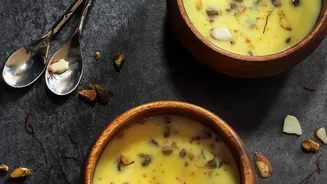
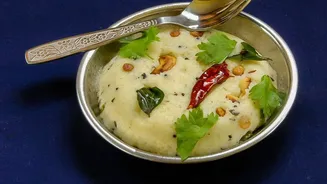
Hailing from Maharashtra, Gopalkala is more than just a dish; it’s a story in a bowl. This savoury preparation is made with flattened rice (poha), yoghurt, cucumber, coconut, and a simple tempering of ghee and spices. The name itself refers to Krishna
(Gopal) and the act of mixing (kala). Legend says that Krishna would share a meal with his cowherd friends, with everyone mixing whatever food they had into a single pot. This no-cook dish embodies that spirit of community and equality, making it a deeply meaningful and refreshing addition to the Janmashtami feast. It is the main prasad associated with the Dahi Handi celebrations.
Singhare ki Poori: A Vrat-Friendly Delight
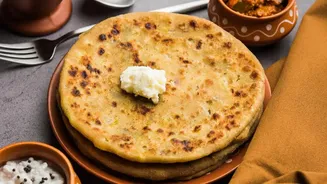
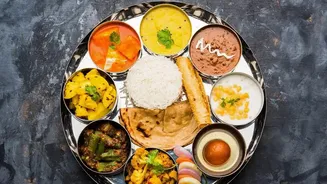
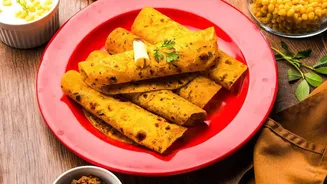
For those observing a fast (vrat), the options can sometimes feel limited. Enter Singhare ki Poori, a delicious and satisfying savoury bread. Made from singhare ka atta (water chestnut flour) and mashed potatoes, these pooris are naturally gluten-free and permissible during fasts. The dough, seasoned with rock salt (sendha namak) and sometimes cumin or green chillies, is fried until it puffs up into a golden, crispy delight. They pair wonderfully with a simple potato curry or a bowl of yoghurt, offering a wholesome and flavourful break from the sweeter festive fare.
Thekua: A Crunchy Bite from Bihar
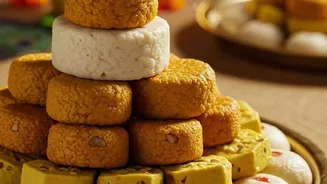
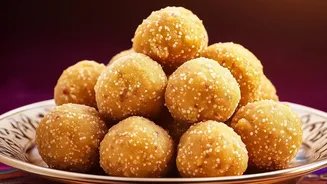
While most famously associated with Chhath Puja, Thekua is a beloved sweet snack from Bihar and Jharkhand that finds its way into many festive occasions. These deep-fried cookies are made from whole wheat flour, sweetened with jaggery or sugar, and often flavoured with fennel seeds and cardamom. The dough is pressed into traditional moulds to create intricate designs before being fried to a delightful crispness. Their rustic charm and long shelf life make them a wonderful 'make-ahead' sweet that adds a unique regional crunch to your Janmashtami platter.
Raskadam: The Sweet with a Surprise
For a truly show-stopping dessert, look to Bengal's Raskadam, also known as Kheer Kadam. This intricate sweet offers a delightful textural surprise. On the outside, it is a soft ball of lightly sweetened khoya (mawa), often rolled in grated paneer or coconut. The magic, however, is on the inside: a small, syrup-soaked rasgulla hidden in the center. Each bite is a journey from the creamy exterior to the juicy, saffron-scented core. It’s a sophisticated sweet that showcases the artistry of Indian mithai-making and is sure to impress your guests.
Taler Bora: Bengal's Monsoon Fritters
Taler Bora, or sweet palm fritters, are a seasonal delicacy in Bengal, intrinsically linked to Janmashtami. The festival often coincides with the availability of ripe sugar palm fruit (taal), whose aromatic pulp forms the base of this dish. The pulp is mixed with rice flour, wheat flour, grated coconut, and a sweetener like jaggery to form a thick batter. Small dollops are then deep-fried until they turn a deep reddish-brown, resulting in a fritter that is crispy on the outside and soft and cake-like within. Legend even ties it to Krishna's father Nanda, who is said to have danced with joy after eating them.
Panchamrit: The Five Nectars of Offering
No Janmashtami puja is complete without Panchamrit. While many families prepare it, understanding its significance can make the tradition even richer. The name translates to 'five nectars', and it is a sacred concoction of five ingredients: raw milk, yoghurt, honey, sugar, and ghee. Each element holds symbolic value, representing purity, prosperity, and sweetness. This mixture is used for the ritual bathing (abhisheka) of the deity and is then distributed as prasad. It’s a simple yet profound offering that lies at the very heart of the celebration.