





The Great Monsoon Escape
There's a collective sigh of relief across the northern plains as the southwest monsoon makes its way across the country, expected to reach Delhi and surrounding areas around June 27. [15] For many, this isn't just a change in weather; it's a call to adventure.
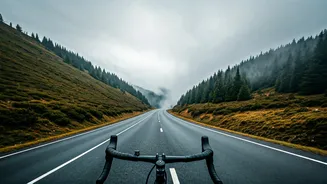
The period marks a mass exodus from cities like Delhi, with families and solo travellers flocking to hill stations to escape the residual heat. [16] Destinations like Shimla, Manali, and Mussoorie are seeing a massive tourist surge, with visitors eager to experience the cool weather, misty landscapes, and refreshing showers. [5, 8] This annual migration, fueled by the desire for cooler climes, transforms into a weekend ritual of hitting the open road, windows down, to chase the clouds. The destination is often secondary to the journey itself—a rain-washed highway, the smell of wet earth, and a playlist curated for the grey skies.
From Relief to a Reel
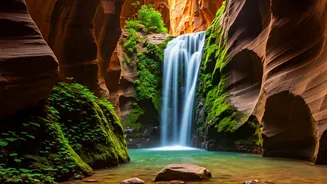
What was once a simple, personal joy has transformed into a shared digital spectacle. The monsoon drive is no longer just about the experience; it’s about capturing its aesthetic. The phrase “Instagram Gold” is apt, as platforms are flooded with images that romanticise the rain. These aren't just random clicks; they are carefully composed shots that tell a story of freedom, romance, and escape. Travel-related content creators and casual users alike are popularising offbeat destinations, driving trends with stunning visuals and recommendations. [24] The appeal lies in the dramatic visuals the season offers: roads shrouded in clouds, vibrant green valleys, and waterfalls appearing in full glory. [23] This social media documentation has turned the humble monsoon road trip into an aspirational event, a bucket-list item for those scrolling through their feeds from landlocked offices.
Anatomy of the Perfect 'Gram
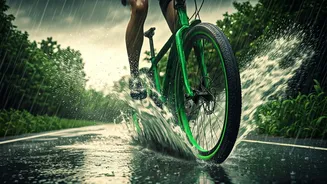
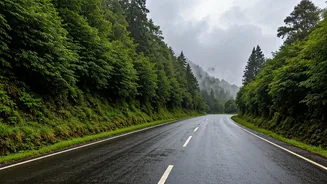
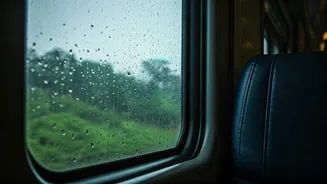
The quintessential monsoon drive post has a distinct visual language. It often features a shot from inside a car, with the wiper clearing a path through a rain-streaked windshield to reveal a misty mountain road ahead. Other popular motifs include a steaming cup of chai held against a backdrop of green hills, a plate of hot pakoras at a roadside dhaba, or a slow-motion video of water splashing under the tyres. [27] Popular routes leaving from Delhi include scenic drives to Rishikesh, Nainital, and Dharamshala, each offering rain-washed roads and foggy mountain views. [4] These images and videos tap into a universal feeling of coziness and nostalgia, blending the thrill of travel with the comfort of simple pleasures. The goal is to capture the mood—the serene, slightly melancholic beauty of a world washed clean by rain.
Iconic Monsoon Circuits
While almost any road becomes more beautiful in the rain, certain circuits in North India are perennial favourites. The drive from Delhi towards the Himalayan foothills of Uttarakhand and Himachal Pradesh is a classic. [4] Routes to places like Lansdowne, Kasauli, and Shimla become lush, green corridors. [3, 20] Another popular journey is from Jaipur into the Aravalli Range, with destinations like Udaipur and Mount Abu offering a different kind of monsoon magic as the arid landscape transforms. [3, 6] Even the drive from Mumbai towards Lonavala and Mahabaleshwar in the Western Ghats, while not strictly in the north, sets the standard for monsoon road trips with its dramatic waterfalls and mist-covered ghats, influencing the trend across the country. [22, 27] These drives are celebrated for their scenic beauty, which is dramatically enhanced during the monsoon. [23]
A Note of Caution
While the romance of a rainy drive is undeniable, it comes with inherent risks, especially in hilly terrain. The same rains that create beautiful landscapes can also cause slippery roads, reduced visibility, and landslides. [9] Some popular destinations, like Manali and parts of the Char Dham route, can become hazardous during peak monsoon due to landslides and washed-out roads. [3, 22] Authorities often issue advisories, and it's crucial for travellers to stay informed about weather conditions and road closures. [9, 17] Essential safety measures include ensuring your vehicle is in good condition—particularly tires, brakes, and wipers—driving slowly, and avoiding travel after dark in high-risk areas. [9, 21] It's always wise to have buffer days in your itinerary in case of unexpected roadblocks. [11]