


Jim Corbett National Park, Uttarakhand
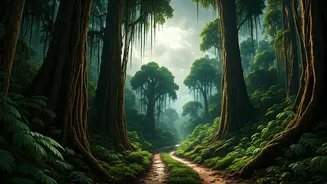
While the core zones of India's oldest national park take a break during the monsoon, the adventure doesn't stop. The Jhirna and Dhela zones, along with the Sitabani Forest Reserve, remain open to visitors. The rain washes the dust off the sal forests,
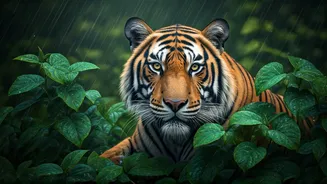
leaving them emerald green and refreshingly cool. The crowds thin out, giving you a more intimate experience with nature. This is a fantastic time for birdwatching, as the avian population is active and vibrant. While tiger sightings are a matter of luck, herds of elephants are often seen enjoying the cool weather, and the calls of sambar deer and wild boar echo through the mist-laden landscape. The Kosi River, running alongside the park, swells with life, making for picturesque drives.
Ranthambore National Park, Rajasthan
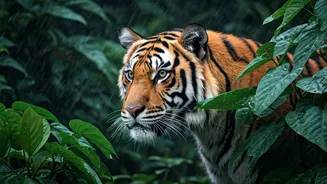
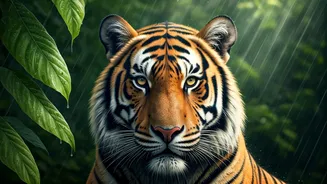
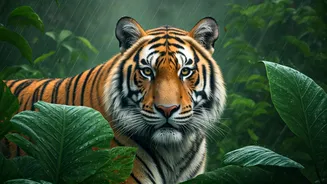
The iconic image of a tiger against the backdrop of ancient ruins is what Ranthambore is famous for. Most assume it's off-limits during the monsoon, but that’s only partially true. While the core zones (1 to 5) are closed, the buffer zones (6 to 10) are open for safari. These zones, like Kundal and Chidi Kho, offer a different but equally compelling experience. The arid landscape of Rajasthan undergoes a dramatic transformation, with the Aravalli hills cloaked in green and the lakes full to the brim. The reduced tourist traffic means a more peaceful safari. Tigers, being territorial, don't migrate, and sightings are still very possible as they venture out to patrol their now-lush domains. It's a chance to see a familiar landscape in a completely new light.
Tadoba-Andhari Tiger Reserve, Maharashtra
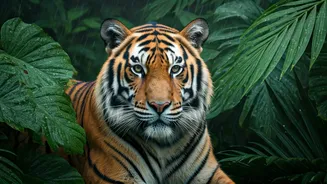
Known for its high density of tigers, Tadoba has become a premier destination for wildlife enthusiasts. Like other parks, its core areas close during the wet season. However, the buffer zones—like the popular Moharli and Khutwanda gates—continue to offer safaris. The advantage here is that Tadoba's big cats are well-habituated and often seen roaming the buffer areas. The monsoon adds a layer of drama to the landscape of teak forests and wetlands. The rain brings relief from the scorching summer heat, and many animals, including sloth bears, leopards, and wild dogs, become more active during the day. A safari here during the rains is a raw, thrilling experience, showcasing the resilience and beauty of the Central Indian highlands.
Periyar National Park, Kerala
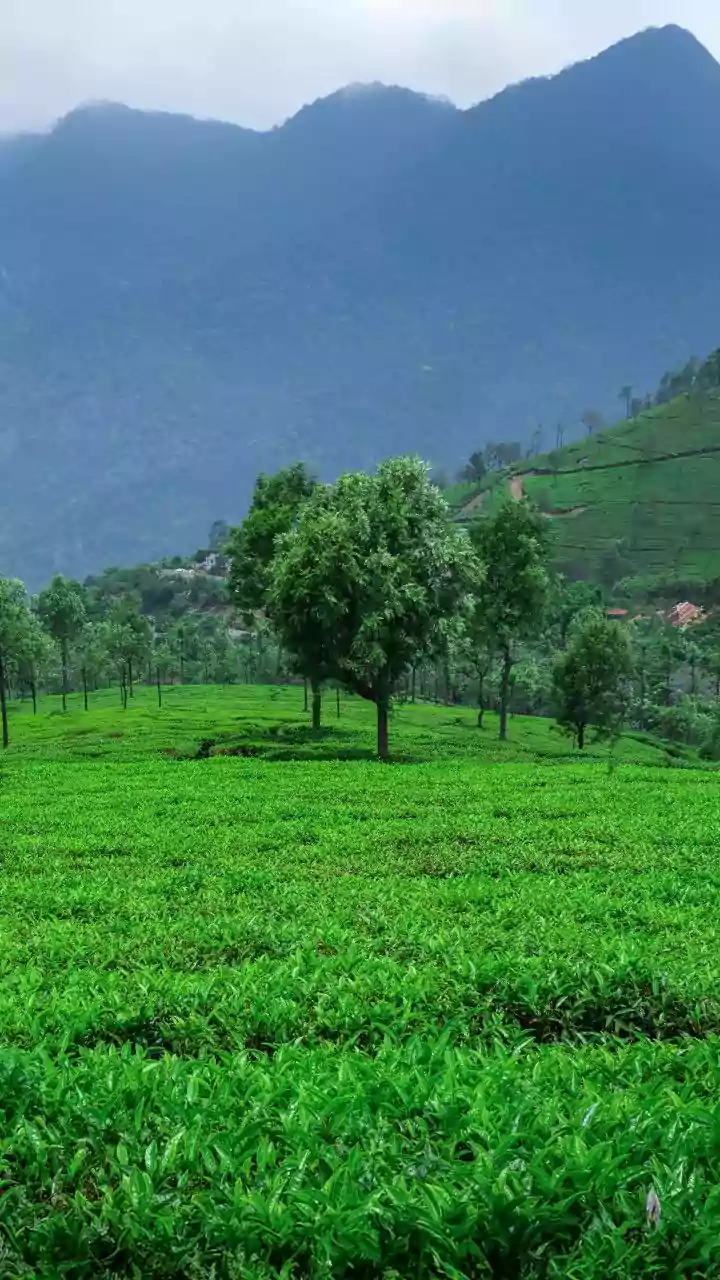
Nestled in the Western Ghats, Periyar is one of the few national parks in India that remains open all year round, making it a perfect monsoon destination. The park is centred around a vast artificial lake, and the best way to experience it is via a boat safari. Imagine gliding across the tranquil waters as mist hangs over the forested hills. The experience is ethereal. The rains rejuvenate the entire ecosystem. You can expect to see large herds of elephants coming down to the lake to drink and bathe, along with sambar, gaur, and countless species of birds. The cooler climate also makes it ideal for guided nature walks and trekking programmes, offering a chance to explore the fragrant spice plantations and dense forests on foot.
Kabini, Karnataka
Part of the Nagarhole National Park, Kabini is a slice of wildlife heaven that truly comes alive in the monsoon. The backwaters of the Kabini River create a stunning waterscape that attracts a magnificent congregation of Asiatic elephants—one of the largest in Asia. The forest is a vibrant green, and the air is clean and fresh. You can choose between a jeep safari through the forest or a boat safari along the river. Both offer incredible sightings. Apart from the majestic elephants, this is a prime location for spotting leopards and, if you are exceptionally lucky, the elusive black panther. The monsoon is when the forest feels most alive, with the sounds of insects, birds, and animals creating a symphony of the wild.