



The Golden Rule of Sweeteners
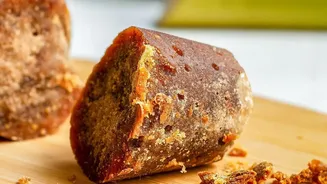
For generations, jaggery, or 'gur', has been a staple in Indian households, but primarily in traditional sweets and remedies. Now, it's making a grand entrance into the world of modern baking. This unrefined sweetener is made from the sap of palm trees,
which is boiled down until it solidifies. Unlike refined white sugar, which is stripped of all its natural nutrients during processing, palm jaggery retains a host of minerals and vitamins. This shift isn't just about health; it's a culinary trend that embraces deeper flavours and a return to indigenous ingredients, a movement seen across the Indian food landscape.
More Than Just Sweetness
The primary driver for this swap is a combination of flavour and perceived health benefits. Palm jaggery has a distinct flavour profile with notes of caramel, toffee, and a subtle earthiness that white sugar lacks. This complexity adds a new dimension to baked goods. Nutritionally, palm jaggery comes out ahead of refined sugar. It contains minerals like iron, potassium, magnesium, and calcium. It is particularly noted for its iron content, which is crucial for preventing anaemia. Furthermore, palm jaggery has a lower glycemic index (GI) than white sugar, which means it causes a slower, more gradual rise in blood sugar levels instead of a sharp spike. This makes it a preferred option for those looking to manage their sugar intake more mindfully. However, it's important to remember that it is still a form of sugar and contains a similar number of calories, so moderation remains key.
A Baker’s Guide to Using Jaggery
Swapping jaggery for sugar in your favourite recipes is straightforward, but there are a few things to keep in mind for the best results. Jaggery is available in solid blocks or powdered form. Powdered jaggery can often be substituted in a 1:1 ratio for brown sugar. Some bakers suggest using slightly more jaggery than white sugar to achieve the same level of sweetness. One of jaggery's best qualities in baking is that it's a natural humectant, meaning it attracts and retains moisture. This results in cakes, muffins, and breads that are wonderfully moist and stay fresh for longer. However, this also means you might need to slightly adjust the liquid content in your recipe. When using jaggery in milk-based recipes like kheer or custards, it's best to melt it separately and add it after cooking to prevent curdling.
The Perfect Pairings
The rich, molasses-like notes of palm jaggery pair beautifully with a wide range of ingredients. It shines in recipes that feature whole grains like oats and millets, as its robust flavour complements their nuttiness. Spices such as cardamom, ginger, cinnamon, and nutmeg are enhanced by jaggery's warmth, making it perfect for spiced cookies, tea cakes, and holiday baking. It’s also an excellent choice for fruit-based desserts like banana bread or apple crumble, where its caramel notes elevate the natural sweetness of the fruit. Traditional Indian sweets reimagined in baked form, such as coconut and jaggery cookies or date and sesame loaves, are also gaining popularity, offering a healthier yet indulgent treat.