







The Promise of a Single Workout
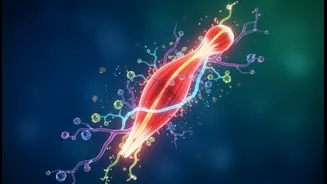
In our fast-paced lives, the idea that one grueling session at the gym could offer a shortcut to health is incredibly appealing. Headlines sometimes hint at this, detailing the immediate cascade of molecular activity a single workout can trigger. It’s
true that even one bout of exercise sends a flurry of signals through the body, temporarily boosting inflammation as a response to stress, altering metabolism, and activating genes. This immediate chaos is part of the body's adaptive process. However, viewing this short-term reaction as the whole story is like watching the trailer and thinking you've seen the entire film. The deeper, more permanent changes that truly combat the effects of aging require a much longer commitment.
What is Molecular Ageing in Muscle?
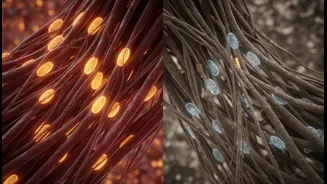
To understand the long-term benefits, we first need to understand the problem: molecular aging. As we get older, our muscles don't just get smaller or weaker; they change at a fundamental level. Cellular 'housekeeping' processes, like clearing out damaged proteins, become less efficient. Mitochondria, the powerhouses of our cells, can decline in number and function, leading to less energy. Furthermore, chronic low-grade inflammation can set in, and the muscle's ability to repair and regenerate itself diminishes. This collection of cellular and molecular declines contributes to what scientists call sarcopenia, the age-related loss of muscle mass and function that can lead to frailty and a lower quality of life.
Trained Muscle: A Well-Oiled Machine
Now, think of a muscle that has been trained consistently over years. It’s not just bigger or stronger; it’s smarter and more efficient at a cellular level. Studies show that long-term training fundamentally reprograms muscle tissue. These muscles build up more mitochondria, develop better blood flow, and become incredibly effective at using fuel and clearing out waste. The most fascinating discovery is the concept of an 'epigenetic memory'. Consistent training leaves chemical marks on your DNA that don't change the genes themselves but alter how they are expressed. This memory means that if you stop training and then start again, your muscles can regain size and strength more quickly because the blueprint for growth has been saved.
A Single Workout in Context
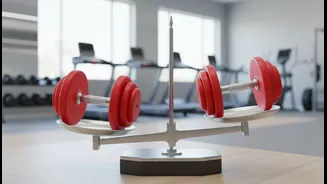
So what happens when a single workout hits an untrained muscle versus a trained one? In an untrained person, the workout is a significant shock. The body responds, but it's a panicked, inefficient reaction. For a trained individual, the response is swift, efficient, and controlled. The body’s systems are primed and ready. Recent research highlights how exercise can lower levels of a gene called DEAF1, which is linked to the age-related decline in a muscle's ability to repair itself. While a single workout can initiate this process, it's the sustained, regular practice of exercise that keeps these pathways optimized, effectively teaching the muscle how to stay 'young' and resilient. It’s the difference between a fire drill startling an unprepared office and a routine check by a seasoned fire crew.
The Long Game is the Only Game
The evidence is clear: the most profound benefits of exercise are cumulative. Consistent training over months and years doesn't just make you fitter for a while; it builds a healthier biological environment inside your body. It reduces chronic inflammation, improves how your body handles blood sugar, and preserves the very structure and function of your muscle fibers. This biological investment pays dividends in what is often called 'healthspan' — the number of years you live in good health. Older adults who have engaged in resistance training can maintain and regain muscle mass more effectively, thanks in part to that epigenetic memory built earlier in life. One workout is a spark. A lifetime of movement is what builds and maintains the fire.