



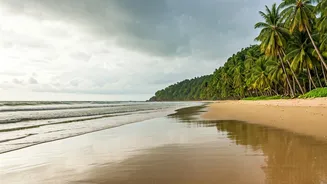


The Allure of the Off-Season
The idea of a “near-empty” Goa might seem like a myth, but for several months of the year, it’s a reality. The off-season, which spans the monsoon months from roughly June to September, has long been considered a travel dead zone. [2, 18] But that perception
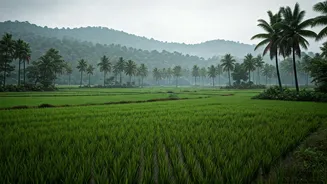
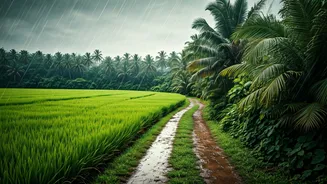
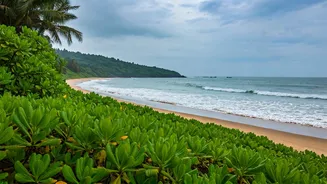
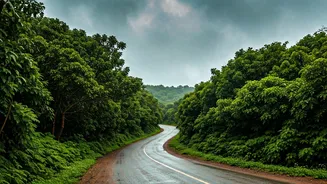
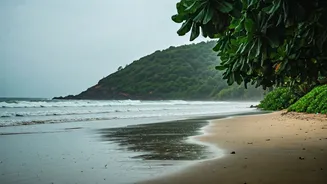
is rapidly changing. As peak season becomes synonymous with inflated prices, packed beaches, and traffic jams, a growing number of visitors are discovering the charm of Goa when the crowds go home. [9] This isn't just about lower hotel rates and flight fares; it's about experiencing the state in its natural element—washed clean by the rains, draped in lush greenery, and moving at a decidedly slower, more local pace. [3, 5]
Meet the New Monsoon Traveller
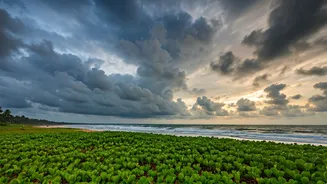
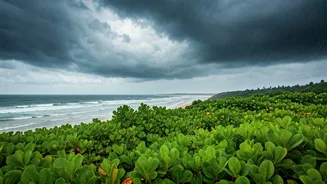
So, who is trading sunbathing for showers? The profile of the off-season traveller is distinct from the peak-season partygoer. They are often couples and honeymooners seeking romantic, quiet resort holidays, families looking for slower-paced trips, and solo travellers interested in wellness and culture. [6] This new cohort is less interested in beach shacks and water sports—many of which are closed during the monsoon—and more drawn to the promise of privacy and authenticity. [2, 4] They come for the dramatic skies, the chance to read a book by a pool as it rains, and the opportunity to interact with locals in a more meaningful way, away from the transactional nature of high-season tourism. [9]
What to Do When the Beach Isn't the Main Event
A monsoon trip requires a different itinerary. While swimming in the rough seas is unsafe, Goa offers a host of other experiences that are arguably better during the rains. [4, 23] The star attraction is the Dudhsagar Falls, which is at its most powerful and spectacular during this time. [14, 15] The state’s hinterlands transform into an emerald paradise, perfect for drives and treks. [2, 5] Visiting a spice plantation, enveloped in the fragrance of rain-soaked earth, is a quintessential monsoon activity. [8, 20] Heritage walks through the Latin Quarter of Fontainhas in Panjim or exploring the churches of Old Goa take on a more atmospheric quality without the scorching sun and throngs of tourists. [6] Many indoor activities, from museums and art galleries to casinos and acclaimed restaurants, remain open, offering plenty of options on days with heavy downpours. [15, 23]
A More Sustainable Path Forward?
This shift toward off-season travel may also hold the key to a more sustainable future for Goa. The state has been grappling with the effects of over-tourism, and recent data shows a significant drop in international arrivals, who are often higher-spending and stay longer, even as domestic tourism booms. [17, 25, 27] Promoting year-round tourism helps distribute the economic benefits and reduces the immense pressure on infrastructure during a few peak months. [11] Eco-conscious travellers are finding that the off-season aligns better with sustainable practices, such as supporting local homestays, using electric buses, and engaging in community-based tourism. [7, 10, 13] By encouraging a model that values 'value' over 'volume', Goa could be paving the way for a healthier, more balanced tourism economy. [26]