




The Study Sparking the Conversation
Recent scientific discussions, including a notable study from Stony Brook University, have brought plant protein back into the spotlight. The research, published in early July 2026, explored how different protein sources affect gut health, specifically
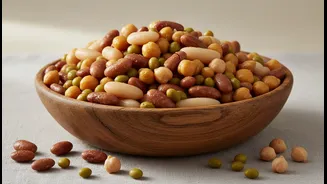
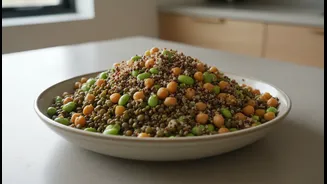
in the context of inflammatory bowel diseases (IBD). Using mouse models, the researchers found that a diet rich in beef protein worsened colitis (a form of IBD), while a diet containing pea protein significantly reduced inflammation. The study suggests that beef protein altered the gut microbiome in a way that weakened the protective mucus lining of the colon, an effect that was not seen with pea protein. This adds a new layer to the ongoing conversation, shifting focus from not just the quantity of protein we eat, but the specific source and its impact on our gut.
Beyond a Single Study
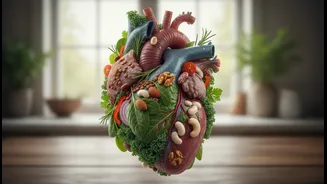
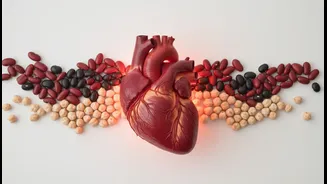
While the Stony Brook study is compelling, it's one piece of a much larger puzzle. Other recent meta-analyses from 2025-2026 have shown that swapping a small percentage of calories from red and processed meats for plant proteins like beans and lentils is linked to a lower risk of heart disease. However, these studies also clarify that the risk is primarily driven by red and processed meats; other animal sources like fish and poultry don't carry the same negative profile. The American Heart Association's 2026 guidance reflects this nuance, recommending a shift toward plant proteins and seafood over red meats, without calling for a complete elimination of animal products. The consensus is that a balanced dietary pattern matters more than demonising any single food group. This is about making smarter, more informed choices.
Not All Plant Proteins Are Equal
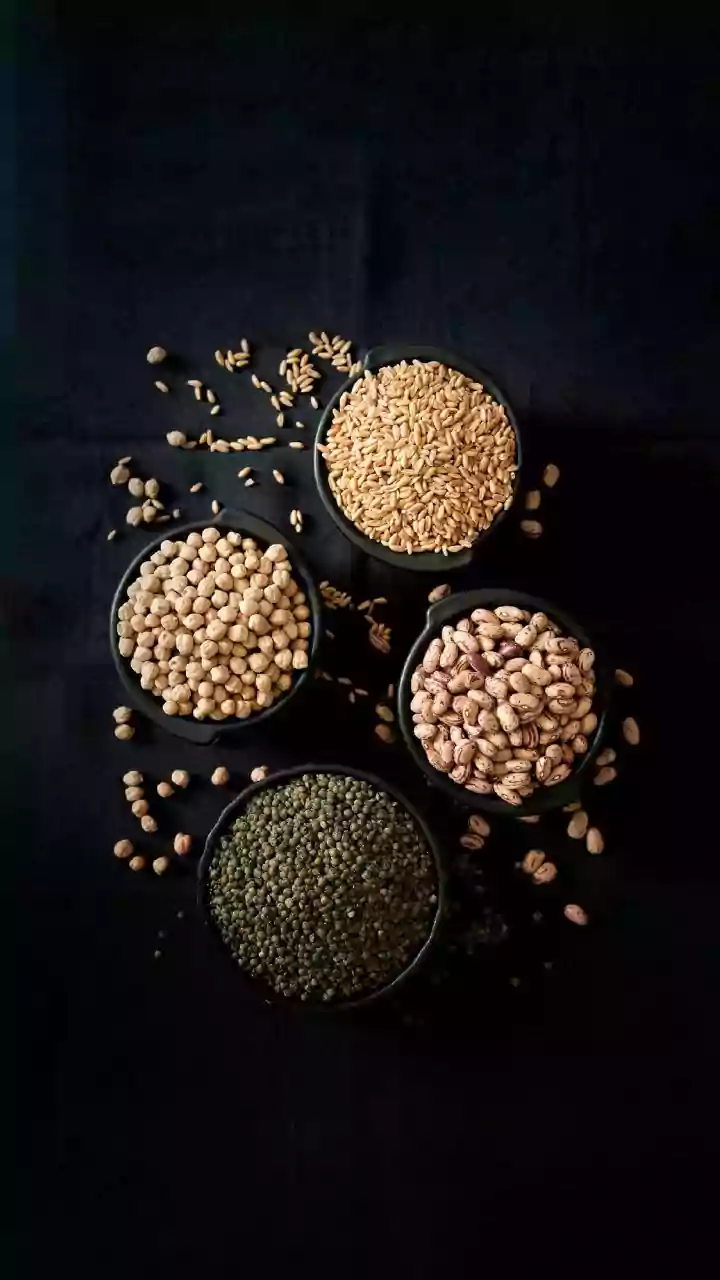
The headline's mention of "choices" is crucial. Plant proteins are not a monolith. Their quality is determined by their amino acid profile. Proteins are made of amino acids, nine of which are 'essential' because our bodies can't produce them; we must get them from food. A 'complete' protein contains all nine essential amino acids in sufficient amounts. While most animal proteins are complete, many plant sources are 'incomplete', meaning they are low in one or more essential amino acids. For example, dals and legumes are rich in an amino acid called lysine but low in methionine, while grains like rice and wheat are the opposite. This doesn't make them inferior, it just means a little planning is required.
Your Guide to Protein Pairing
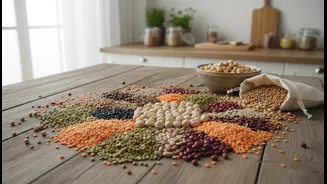
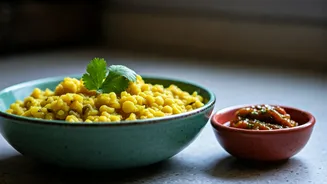
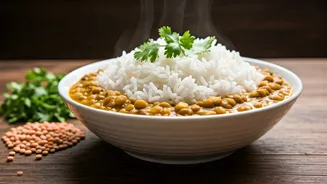
The good news is that India's traditional food wisdom has been solving the protein puzzle for centuries. The concept of combining different plant foods to create a complete protein profile is embedded in our cuisine. Classic combinations like dal with rice, or rajma with roti, are perfect examples of protein pairing. The legumes provide the lysine that grains lack, and grains provide the methionine that legumes are low in. You don't even need to eat them in the same meal. Your body maintains a pool of amino acids throughout the day, so as long as your diet is varied with different grains, dals, nuts, and seeds, you're likely covering your bases.
Complete Proteins and Smart Swaps
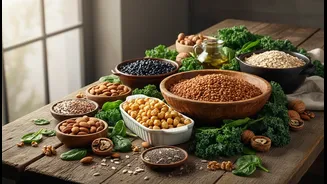
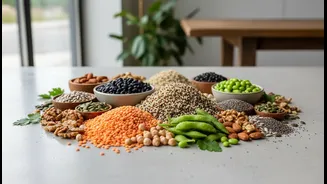
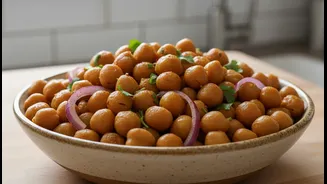
Some plant foods are naturally complete proteins, making them an easy and powerful addition to any diet. Soy is a standout example; tofu, tempeh, edamame, and soy milk all provide all nine essential amino acids. Paneer is another excellent complete protein source common in Indian households. Quinoa and amaranth (rajgira) are also complete proteins that can be easily substituted for rice or used in porridges. For a simple protein boost, consider adding nuts and seeds like pumpkin seeds, chia, or almonds to your meals. A handful of roasted chana or a serving of paneer bhurji can significantly increase your daily protein intake.
A Word on Processed Choices
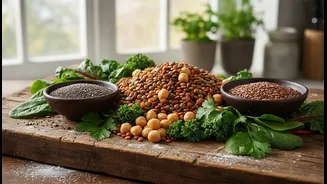
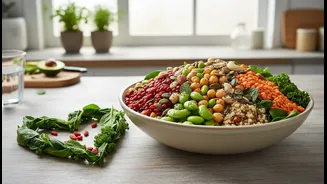
The rise of plant-based eating has led to a boom in processed alternatives, from mock meats to protein bars. While convenient, it's important to read the labels carefully. Some of these products can be highly processed and loaded with sodium, unhealthy fats, and artificial additives that negate their health benefits. The goal is to eat more whole plant foods, not just more processed products that happen to be plant-based. Choosing whole foods like lentils, chickpeas, tofu, and vegetables ensures you get the protein along with fibre, vitamins, and antioxidants, without the unwanted extras. The closer you stick to the natural form of the food, the better.