


Meet the Cosmic Visitors
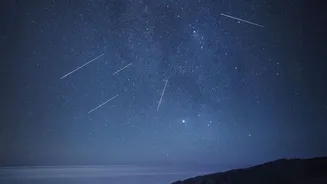
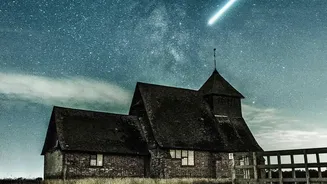
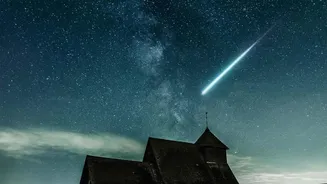
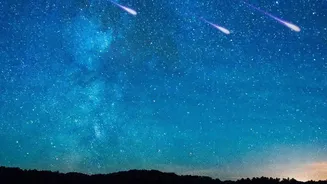
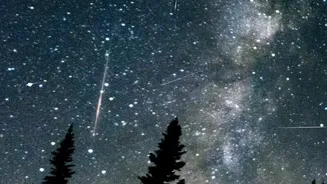
Meteor showers are annual events that occur when Earth passes through the trail of debris left by a comet or asteroid. The Perseid meteor shower, which peaks in mid-August, is caused by dust from Comet Swift-Tuttle. The Orionids, which arrive in October,
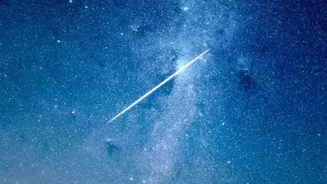
are born from the even more famous Halley's Comet. As these tiny particles, many no larger than a grain of sand, enter our atmosphere at high speeds, they burn up and create the beautiful streaks of light we call 'shooting stars'. While the Perseids of 2026 have just passed, the magnificent Orionids are right around the corner, offering another chance to witness this cosmic spectacle.
Timing is Everything
To catch the best show, timing is crucial. The Orionid meteor shower will be active from early October to early November, but it is expected to peak in the pre-dawn hours of October 21st and 22nd, 2026. During this peak, you might see 15 to 25 meteors per hour under ideal conditions. The best viewing window is generally between 2 a.m. and dawn, when the Earth is facing the direction of the incoming debris. A key factor is the Moon. Fortunately, for the 2026 Orionids, the moon will be in a favorable phase, setting before the prime viewing hours and leaving the sky dark for the show. Always check the local weather forecast before you go; clear, cloudless skies are essential for a good viewing experience.
Location, Location, Dark Location
The single most important factor for viewing meteor showers is getting away from city lights. Light pollution from urban areas creates a bright haze that washes out all but the brightest meteors. To truly experience the shower, you need to find a 'dark sky' location. This doesn't require a trip to a professional observatory. For those in non-metro areas, a short drive out of town to a wide-open space with an unobstructed view of the sky is often enough. Consider spots like local parks (if open at night), fields, or the quiet roads of the countryside. For those planning a dedicated trip, India has several regions known for pristine skies, including Spiti Valley in Himachal, the Rann of Kutch in Gujarat, Coorg in Karnataka, and parts of Ladakh, which is home to India's first Dark Sky Reserve.
What to Pack for Your Night Out
You don’t need a telescope or binoculars to watch a meteor shower; your eyes are the best tools as they provide the widest field of view. The goal is comfort, as you may be outside for a few hours. A reclining lawn chair or a thick blanket is perfect for lying back and looking up without straining your neck. Even on a mild night, temperatures can drop in the early morning hours, so bring layers of warm clothing, a sweatshirt, or another blanket to stay cozy. Packing a thermos with a hot drink like tea or coffee, along with some snacks, can make the experience much more enjoyable. Lastly, bring a torch, but preferably one with a red light filter. Red light is less harsh on your eyes and helps preserve your night vision.
The Art of Sky-Watching
Once you've found your spot and settled in, the final secret is patience. It takes about 20 to 30 minutes for your eyes to fully adapt to the darkness. During this time, avoid looking at bright screens like your phone, as this will reset your night vision. Instead of staring at the radiant (the point where the meteors appear to originate, near the constellation Orion for the Orionids), look at a wide patch of dark sky. The longest and most impressive meteor streaks often appear far from the radiant point. Lie back, relax, and take in the vastness of the sky. The meteors will come in bursts, with lulls in between. It's a waiting game, but the reward is a front-row seat to one of nature's most dazzling displays.