







Why Familiarity Breeds Comfort
While trying local cuisine is a cherished part of travel for many, there are times when caution is the wiser choice. When your journey takes you through areas with limited or questionable food options—think long highway stretches, remote mountain villages,
or destinations with different hygiene standards—sticking to what your body knows can be a trip-saver. The primary reason is to avoid foodborne illnesses like traveler's diarrhea, which is the most common sickness affecting travelers. Your system is accustomed to a certain type of food and bacteria, and a sudden change, especially when combined with the stress of travel, can lead to digestive upset, bloating, and other uncomfortable symptoms that can derail your plans.
The Risks of an Untested Meal
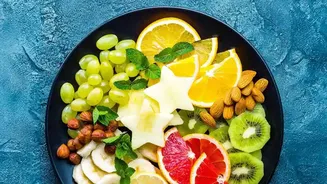
In many developing countries and even in isolated parts of well-developed ones, access to clean water for washing produce and maintaining kitchen hygiene can be inconsistent. Foods to be particularly wary of include raw salads, uncooked fruits you haven't peeled yourself, undercooked meat or seafood, and items from street vendors where you can't assess the cleanliness. Even ice in drinks can be a hidden source of contamination if made with tap water. An adverse reaction isn't just about a day or two of discomfort; it can lead to dehydration and fatigue, forcing you to spend your precious vacation time recovering instead of exploring.
Your Go-To Travel Pantry
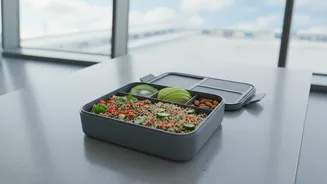
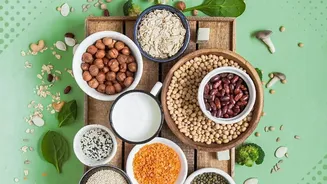
Being prepared is the best strategy. Packing a small stash of non-perishable, familiar foods means you're never left hungry or forced to make a risky choice. For Indian travelers, this is a time-tested tradition. Items like theplas, khakhra, roasted chana, and makhana are excellent as they are dry, travel well, and provide energy. Universal options are just as effective and include nuts, seeds, trail mix, granola or protein bars, and dry fruits. Instant meal cups, such as poha or upma that only require hot water, can also be a lifesaver, providing a hot, comforting meal that feels like home.
Smart Planning for Peace of Mind
Beyond packing snacks, a little planning goes a long way. If you're on a road trip, identify larger towns on your route that are likely to have reliable restaurants. When you do eat out, opt for simple, well-cooked dishes. Hot foods are generally safer as high temperatures kill most harmful germs. Think steamed rice, well-cooked dal, or thoroughly cooked vegetables. Avoid buffets where food may have been sitting at room temperature. It’s also wise to carry your own reusable water bottle and stick to sealed, bottled water for drinking and brushing your teeth. A small emergency kit with medication for indigestion or diarrhea is also a sensible precaution.