
The Age of 'Algorithm-Core'
Welcome to the era of the micro-trend, a phenomenon supercharged by social media platforms like TikTok and Instagram. Unlike the seasonal trends of the past, these are hyper-specific, short-lived aesthetics with catchy names like 'Mob Wife' or 'Tomato
Girl Summer'. They experience a rapid explosion in popularity and can fade just as quickly, sometimes within a matter of weeks. The engine driving this relentless cycle is the algorithm. Recommendation systems on these platforms are designed to show you more of what you engage with. When they detect a rising interest in a particular style—say, ballet flats or a specific type of jacket—they push it to millions of screens, creating a powerful feedback loop. This creates a visual echo chamber where the same items and looks are amplified, making them feel ubiquitous and essential.
The Comfort and Cost of Conformity
There's a powerful psychology behind why we're so drawn to these algorithm-driven trends. Following them offers an instant sense of belonging and community. Seeing someone else wearing the same item creates a surface-level bond, a feeling of being part of a collective moment. It's human nature to seek social cohesion, and trends provide an easy, low-risk way to feel connected. However, this digital-age conformity comes at a cost. The rapid acceleration of micro-trends fuels an ultra-fast fashion industry, encouraging overconsumption as people rush to buy the latest 'it' item before it becomes obsolete. This not only has serious environmental consequences but can also stifle genuine personal style. When our feeds become a cascade of replicated looks, the pressure to conform can overshadow the joy of self-expression, diluting individuality in a sea of sameness.
Breaking the Feedback Loop
Escaping the algorithmic wardrobe doesn't mean you have to delete your social media accounts or reject trends entirely. It's about shifting from being a passive consumer to an active curator of your own style. Start by diversifying your digital diet. Intentionally follow creators with different styles, body types, and cultural backgrounds. Look for inspiration outside of fashion-specific accounts—in art, film, history, or nature. The goal is to interrupt the algorithm's tendency to show you more of the same. Consider a 'digital detox' or unfollowing accounts that primarily push hauls and fleeting trends. Another powerful tool is to simply pause before you purchase. Ask yourself if an item truly reflects your personality or if you're just reacting to its sudden visibility. Rediscovering the joy of offline shopping, whether in thrift stores or local boutiques, can also introduce you to pieces that aren't circulating in the digital mainstream.
Cultivating Your Personal Uniform
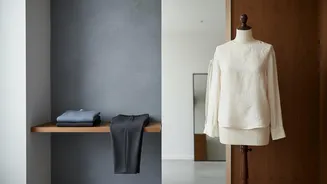
The ultimate antidote to trend fatigue is developing a strong sense of personal style. This is less about having the 'right' things and more about knowing what makes you feel like yourself. Start by understanding the fundamentals of what works for you. Pay attention to silhouettes—do you feel best in structured tailoring or relaxed, flowing shapes? Experiment with changing just one element, like opting for a wider-leg trouser if you usually wear slim fits. Build a foundation of high-quality basics that you love, which can act as a canvas for more expressive pieces. Celebrities known for their timeless style often rely on a core 'uniform' of simple, well-fitting items. Use trends as accents rather than directives. A trendy colour can be introduced through an accessory, or a new silhouette can be paired with your tried-and-true staples. Style is a form of self-expression, a long-term conversation with yourself, not a short-term reaction to what's viral.