


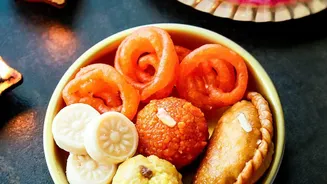
A Sweet Offering From Krishna's Land
Janmashtami, which celebrates the birth of Lord Krishna, is a festival steeped in devotion, fasting, and feasting. Milk and milk-based sweets hold a special place in the celebrations, a nod to Krishna's childhood in the pastoral lands of Braj. Among the countless
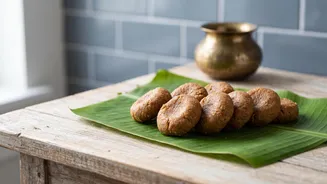
sweets offered as 'bhog' or 'prasad', the peda from Mathura is arguably the most iconic. Mathura, being Krishna's birthplace, has a culinary heritage deeply intertwined with his stories. The peda is not just a dessert; it's a taste of tradition and a sacred offering that has been cherished for generations. Making it at home is a way to connect with the heart of the festival.
What Makes Mathura Peda Unique?
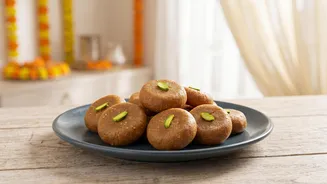
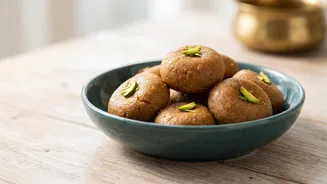
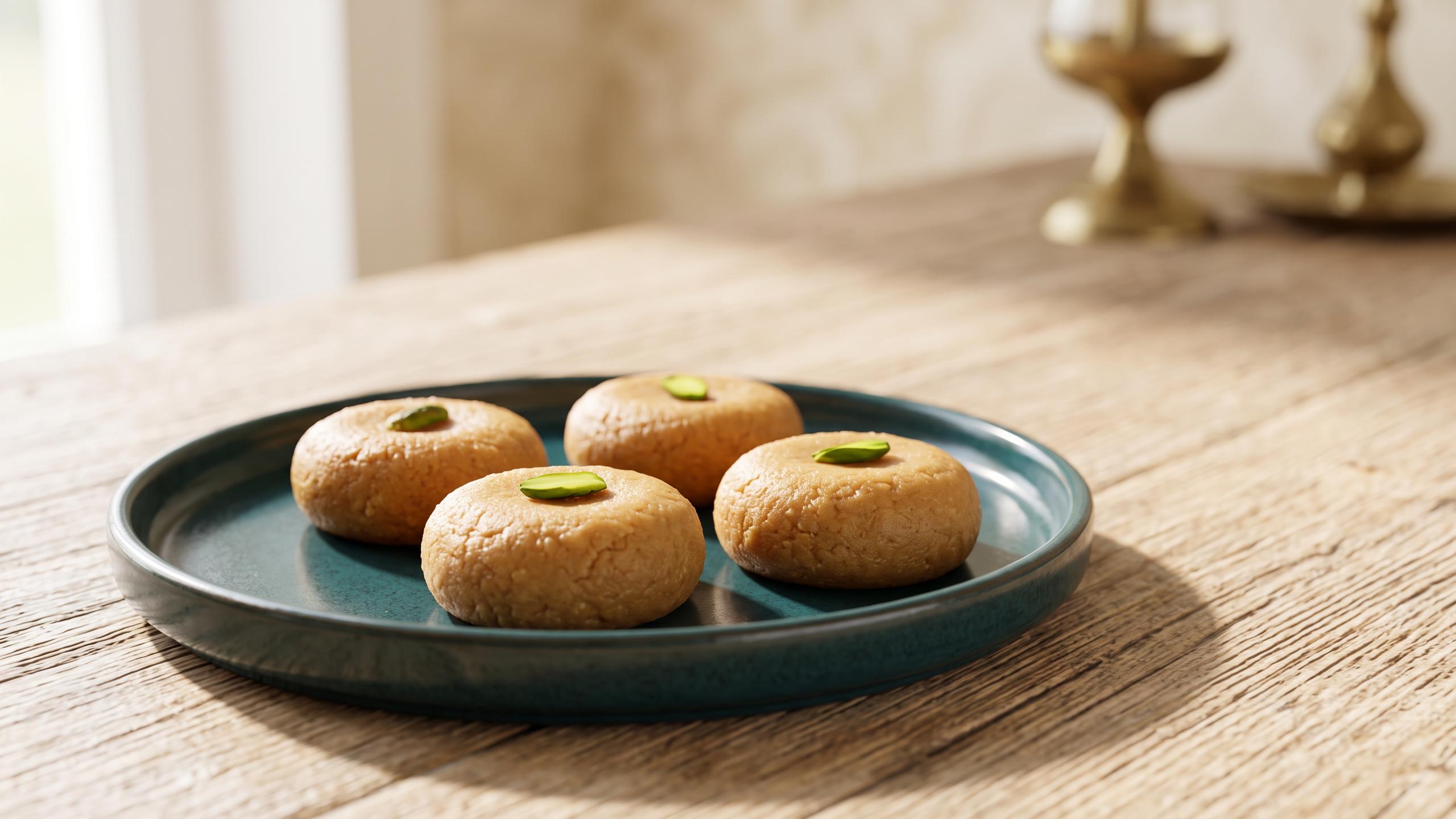
Unlike its smoother, whiter cousins, the Mathura peda has a distinct character. Its signature is a beautiful brownish hue and a slightly grainy, crumbly texture that melts in your mouth. This unique quality comes from the traditional method of slow-roasting khoya (dried milk solids) until the milk solids caramelize. This process, known as 'bhun-na', develops a rich, nutty aroma and a deep, complex flavour that is impossible to replicate with shortcuts. The result is a sweet that is rich and milky but not overly sweet, with a satisfyingly rustic texture.
Gather Your Ingredients
This recipe stays true to the authentic, simple list of ingredients that makes Mathura peda so special. You will need: - 250 grams of khoya (also known as mawa), preferably unsweetened and grated. - 1/2 to 3/4 cup of powdered sugar or boora (adjust to your taste). - 2 to 3 tablespoons of ghee. - 2 to 4 tablespoons of milk, as needed. - 1/2 teaspoon of green cardamom powder (elaichi). - A small amount of granulated or turbinado sugar for coating.
A Step-by-Step Guide to Making Pedas
Patience is the key to perfecting this recipe. Follow these steps carefully for the best results. 1. Roast the Khoya: In a heavy-bottomed pan, preferably non-stick, add the grated khoya and begin to roast it on low heat, stirring continuously. 2. Develop the Colour: After about 5 minutes, the khoya will start to loosen and change colour. Add a tablespoon of ghee and continue to stir. Keep roasting for another 10-15 minutes, adding more ghee as you go. The goal is to achieve a consistent dark, golden-brown colour without burning the khoya. If the mixture looks too dry, you can add a tablespoon of milk. 3. Cool and Grind: Once the khoya is evenly browned and aromatic, remove it from the heat and let it cool down until it's just warm to the touch. Transfer the crumbly mixture to a blender and pulse it a few times to get a slightly smoother, grainy powder. 4. Add Flavour and Sweetness: Move the ground mixture to a bowl. Add the powdered sugar and cardamom powder. Mix everything thoroughly with your hands until well combined. 5. Shape the Pedas: If the mixture feels too dry to bind, add a teaspoon of milk at a time until you can form a ball. Take small portions of the mixture, roll them into smooth balls between your palms, and then gently flatten them into the classic peda shape. 6. The Final Touch: Roll each peda in granulated or turbinado sugar for that signature crunchy coating. Your homemade Mathura pedas are now ready to be offered as prasad or enjoyed with family.
Tips for the Perfect Texture and Taste
Getting the authentic Mathura peda right is all about technique. Here are a few tips to help you succeed: - Low and Slow is Key: Do not rush the roasting process. Roasting the khoya on high heat will burn it, resulting in a bitter taste. Low, continuous heat is essential for developing the deep, caramelized flavour. - Use a Heavy Pan: A heavy-bottomed pan distributes heat more evenly, preventing the milk solids from scorching at the bottom. - Adjust Sweetness: Add the powdered sugar only after the roasted khoya has cooled down. Adding sugar to a hot mixture will cause it to melt and turn syrupy, ruining the texture. - Storage: These pedas can be stored in an airtight container in the refrigerator for up to a week. Let them come to room temperature before serving for the best taste and texture.